Theopolis Logo

Writing

Explore our collection of theological essays, biblical studies, and reflections on faith and culture.

See all
ben-white-mo9vkbg5csg-unsplash
Masculinity

Ringing the Brothel Door

Bruce Marshall once wrote that every young man who rings the bell at a brothel is unconsciously looking for God. While it is not necessarily true that the inward desire of every man is ultimately a thirst for righteousness, it is true that every sin is the disordering of a…

by Garrett SoucyOctober 31, 2023

screenshot-2023-08-08-at-11-13-28-am
Ruth

Work and Gratitude in Ruth

In a previous essay , I argued that the story which begins with Lot and culminates in Ruth’s great-grandson David follows God’s five-fold pattern of creative work as laid out by Jim Jordan: taking something in hand (in this case, the Abrahamic family), restructuring it, distributing the product of labor,…

by Josh JensenOctober 27, 2023
screenshot-2023-10-17-at-11-05-18-am
Books

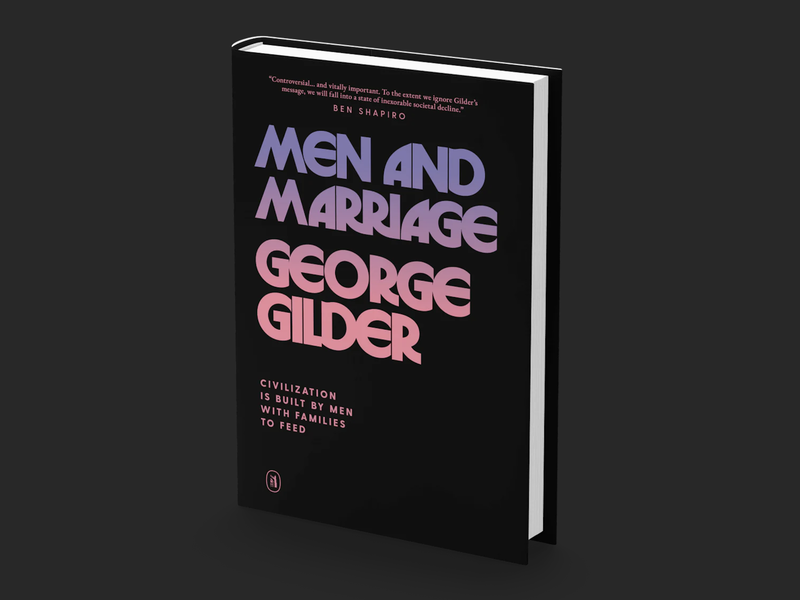
Men, Marriage, and the Feminine Imperative: A Review of "Men and Marriage"

Gilder, George. Men and Marriage. Moscow, ID: Canon Press, 2023. 1 By 1973, the hightide of second-wave feminism had flooded the beaches of American culture. Betty Friedan’s The Feminine Mystique eroded the shores of traditional female roles by naming and stirring up further domestic discontentment. Kate Millet wrote her dissertation-turned-book,…

by Bill SmithOctober 17, 2023
job_and_his_friends
Galatians

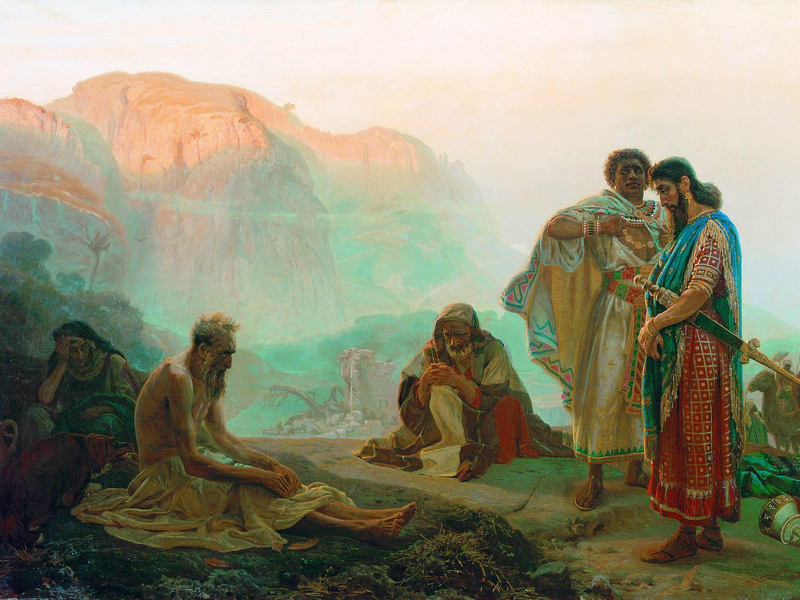
Get Behind Me, Eliphaz!

The Book of Job is a very tortuous book. The arguments of Job and his friends are shot through with truth and error hopelessly mixed together. Every line of contentious poetry stands locked in deadly battle with every other line. As maddening as this can be for a reader who…

by Jonathan WhiteOctober 10, 2023
13071-probablyvalentindeboulogne-saintpaulwritinghi-1
Apostle Paul

Before His Conversion, Paul Knew Jesus

More than once in the last 50 years it has occurred to me that Paul might have known Jesus before He appeared to Paul on the Damascus road, but I had never taken up the notion in earnest until recently when I ran into a book by Stanley Porter titled…

by Ralph Allan SmithOctober 4, 2023
mathew-schwartz-s87bbfzviau-unsplash
Acts

Did Peter Found the Church in Rome?

The question in the title is genuine, not polemic. I could be perfectly happy to follow an ancient — and what is regarded as a well-attested — tradition. But I do not feel compelled to follow it simply because it is tradition. I would like to have arguments that Peter…

by Ralph Allan SmithSeptember 26, 2023

Showing page 27 of 309

See all
See all
History

Smokin’ like a Christian

English fairs in earlier centuries displayed wares and displays from all over the world. At one there was an animal described as “a noble creature, which much resembled a Wild Hairy man” whose main skill was to doff his hat and show “his respects to the Company, and smoaks a…

October 14, 2006
Literature

The Moral of Henry V

Much of the moral and political import of Shakespeare’s Henry V is left to the audience’s or reader’s judgment. Is Henry a “pig” or is he the mirror of Christian kings? Is his invasion of France fair or foul? Shakespeare doesn’t show his hand, or not much; and one is…

October 14, 2006
Literature

The climax of Coriolanus

George Barnam notes the careful structure of Act 5 of Shakespeare’s Coriolanus: “Shakespeare had used this scene structurally to build the tension toward the climactic moment when Volumnia should appeal to her son and prevail. Three appeals are made to Marcius, and Shakespeare’s presentation of them matches in structure the…

October 14, 2006
History

Sports and the sacred

A reader wrote to respond to my suggestion that high culture is “sacred” and pop culture “profane,” citing the example of sports. Here’s my response: A football game often is a quasi-religious experience, but I’m not sure we use the same language to describe it. If someone slashed da Vinci’s…

October 14, 2006
Literature

Desacralized drama

In their “cultural history” of English drama, Simon Shepherd and Peter Womack summarize the argument of Glynne Wickham concerning the divorce of stage and sacred: “The English stage - so the argument runs - was predominantly a religious one until Elizabethan Protestantism forced a separation between theatre and the central…

October 14, 2006
History

Civil war and criticism

As Marsden describes it, the growth of neoclassical literary sensibilities developed in part in reaction to the chaos and disorder of the English civil war - following in this regard the development of late 17th century political theory. Orderliness, definiteness, clarity became virtues, while ambiguity, double entendres, and inconclusiveness became…

October 13, 2006

Showing page 1777 of 2212

Browse by Category

In Medias Res

Your weekly digest for all things Theopolis.

Donate

Theopolis is nearly 100% donor-supported. Consider joining us on our mission.