Theopolis Logo

Writing

Explore our collection of theological essays, biblical studies, and reflections on faith and culture.

See all
or
Abortion

Political Hermeneutics: The Argument From Silence, Part 2

Click HERE for part 1. III This leads to a further question. I have argued that silence cannot by itself establish a Scriptural principle, but does Scripture’s silence carry any weight in itself? Does the fact that something is unbiblical in a weak sense tell us anything at all? In…

by Peter LeithartMarch 13, 1990

hebrew-manuscript-6
Biblical Chronology

Groping Through the Gaps

Although nowadays gap theories are associated with dispensationalism, it was not always so. In the nineteenth century, scholars from a variety of backgrounds (Anglican, Reformed, and proto-fundamentalist) seem to have become fascinated by gaps. If you are not familiar with what I am talking about, this newsletter will acquaint you…

by James B. JordanFebruary 26, 1990
or
Abortion

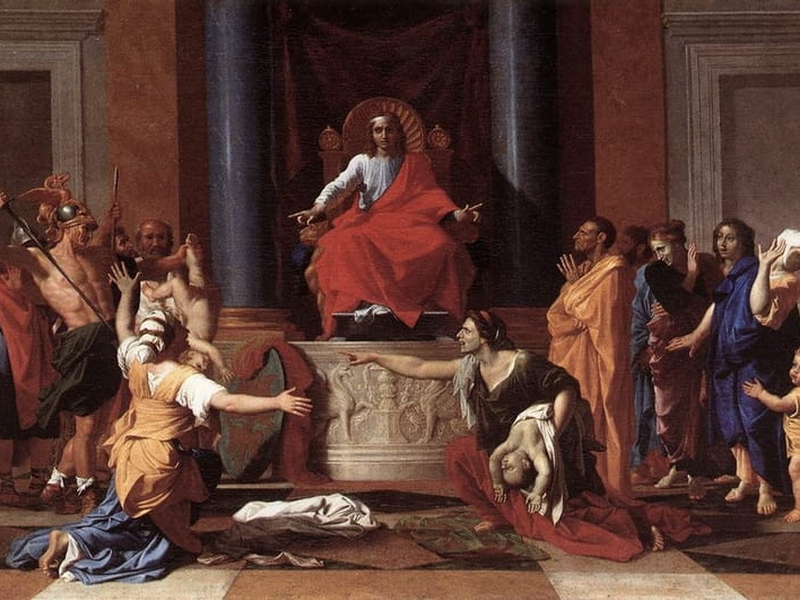
Political Hermeneutics: The Argument from Silence, Part 1

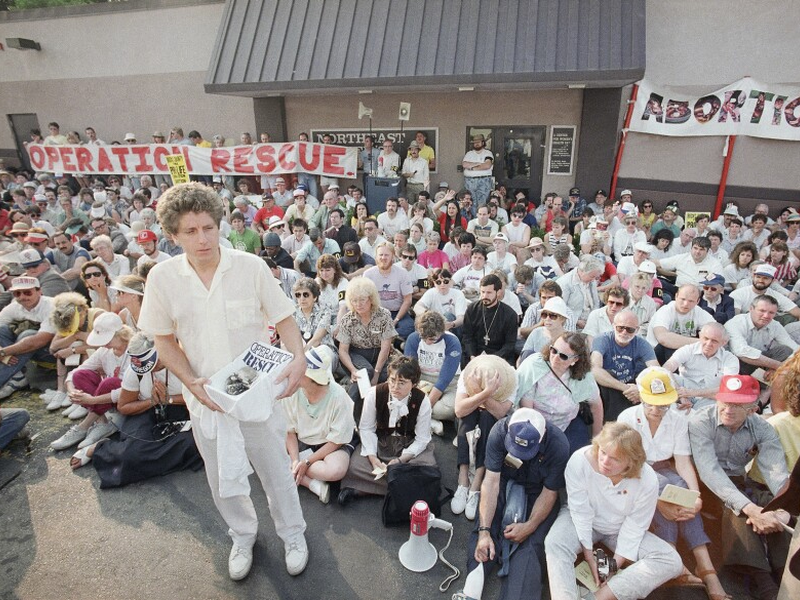
If the debate over Operation Rescue has proven anything, it has proven that there is absolutely no consensus among evangelicals in general, or among "reconstructionists" in particular, about how to use the Bible to judge political actions and movements. Each side of the debate claims biblical authority for its position,…

by Peter LeithartFebruary 13, 1990
49980-nicolas_poussin_-_the_judgment_of_solomon_-_wga18330-800w-tn
Biblical Studies

Advice From a Sojourner, Part 4

Two things I asked of Thee, Do not refuse me before I die: Keep deception and words of falsehood far from me, Give me neither poverty nor riches, Feed me with the food that it my portion, Lest I be full and deny Thee, And say, "Who is the LORD?"…

by James B. JordanFebruary 2, 1990
image-2
Biblical Horizons

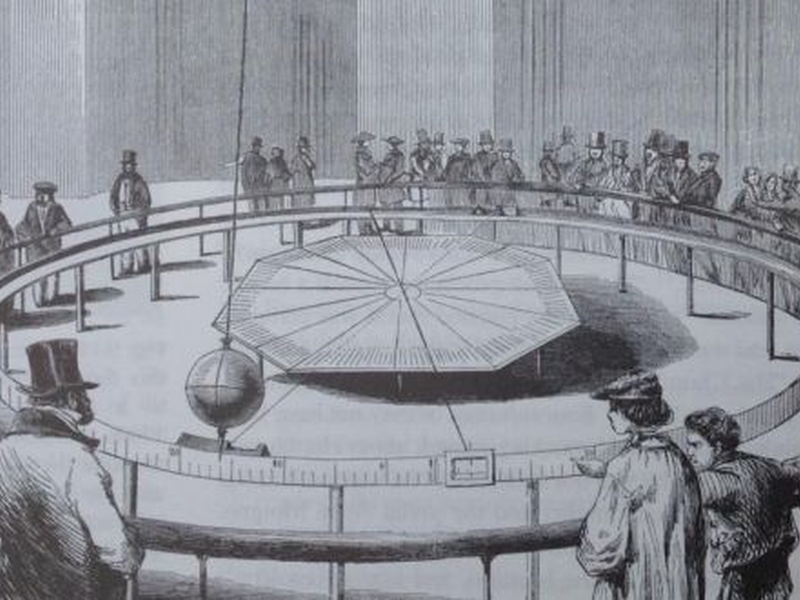
Foucault’s Pendulum

Umberto Eco’s "The Name of the Rose" was certainly one of the best literary works of the past decade, though the film version hardly measured up to it. Now Eco has given us a new novel, "Foucault’s Pendulum." Like Rose, Foucault’s Pendulum reflects on the limitations of human knowledge, and…

by James B. JordanJanuary 26, 1990
tanner-mardis-xuxghzhibn4-unsplash-1-2
Biblical Studies

What Is “Interpretive Maximalism”?

From time to time people ask me about "interpretive maximalism." They want to know what it is, and sometimes want to know if it represents some departure from the Reformed grammatico-historical, Biblico-theological approach to the Bible. I have something of a problem with these questions, because "interpretive maximalism" is not…

by James B. JordanJanuary 26, 1990

Showing page 305 of 309

See all
See all

A Few Haiku

her bandanna blue through the cattails by the pond in the green pasture in the pond morning clouds and sun flecks of moonlight like fireflies ?E the ripples of the pond across her chair shafts of sunlight through the lace curtain

April 26, 2004

Exhortation, April 25

Trinity Reformed Church is large enough that it is difficult to know everyone in the church. And now we have been around long enough that it is awkward and embarrassing for us to meet each other. When you introduce yourself and say something like ?Are you visiting??Ethe response might well…

April 26, 2004

Eucharistic Meditation, April 25

Leviticus 22:10-16 In the sermon today, I addressed the some of the challenges and temptations of young adulthood, the priestly stage of life. It is biblically appropriate, as I tried to show, to describe young adulthood in these terms. But we should not let this perspective obscure the more fundamental…

April 25, 2004
History

Making Our Enemies

Lee Harris has some fascinating comments on how the liberal West constructed the Islamic threat in his recent book, Civilization and Its Enemies . Harris points out that the early modern state developed in a kind of Darwinian political world, where only the powerful states could survive. A state was…

April 22, 2004

Freedman Again

Freedman comments, “It may be pure coincidence that the Book of Genesis begins with the words beresit . . . elohim , ‘In the beginning, . . . God . . . ,’ while the book of Ezra-Nehemiah ends with the words elohay letoba , ‘ . . . my…

April 21, 2004

Chronicles and Writings

David Noel Freedman suggests in his book on the unity of the Hebrew Bible a reason for the repetition of the decree of Cyrus at the end of 2 Chron and the beginning of Ezra. He points to certain manuscripts in which Chronicles and Ezra-Nehemiah enclose the Writings: Chronicles at…

April 21, 2004

Showing page 2096 of 2212

Browse by Category

In Medias Res

Your weekly digest for all things Theopolis.

Donate

Theopolis is nearly 100% donor-supported. Consider joining us on our mission.