Theopolis Logo

Writing

Explore our collection of theological essays, biblical studies, and reflections on faith and culture.

See all
e99a9334
Advent

Stretching Christmas

For many people Christmas comes on December 25 and is over December 26. The tree is taken down along with the lights and the other decorations, and everyone begins setting the house in order for the new year. No more Christmas hymns. No more celebrations (well, until New Year’s Eve).…

by Steve WilkinsDecember 24, 2016
ascension
Advent

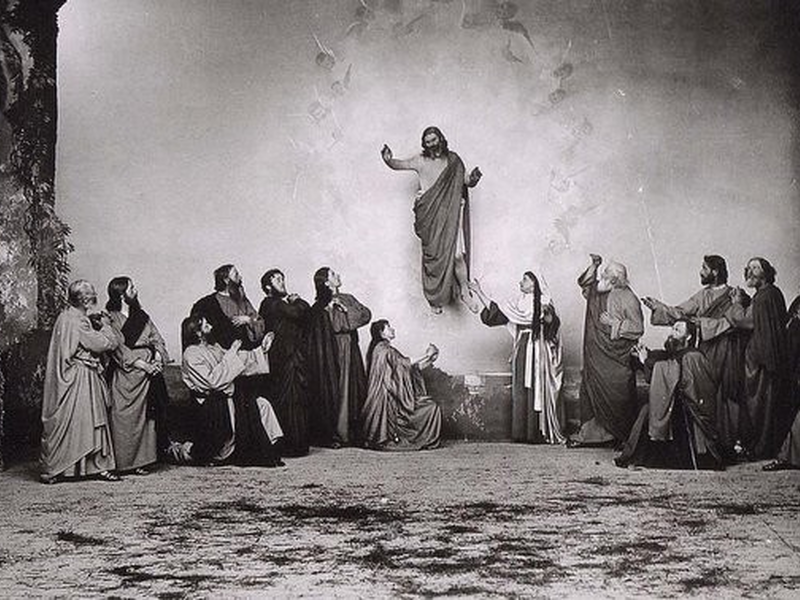
Ascension and Incarnation

The Ascension and the Incarnation should not be disconnected in our Christmas thinking or celebrations. As N.T. Wright notes, the ascension is "a central and vital feature without which all sorts of other things start to go demonstrably wrong. . . . where the ascension has been ignored or misunderstood,…

by Roy AtwoodDecember 23, 2016
nativity-rembrandt
Advent

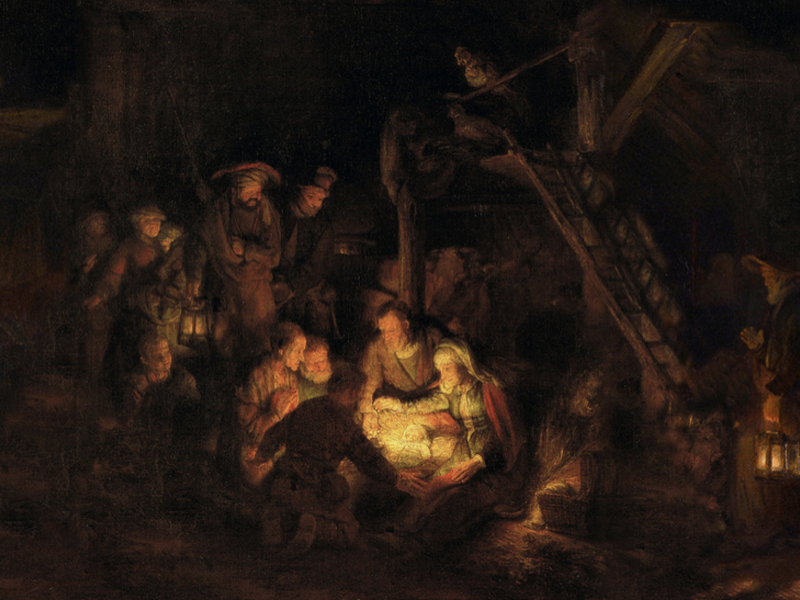
Christmas Light

“In the Word was life, and the life was the light of men. And the light shines in the darkness.” Thus John describes the incarnation of the Son. He comes as the living and life-giving light of the world. That’s good news. In the beginning, God spoke and light shone…

by Peter LeithartDecember 23, 2016
nativity-chagall
Advent

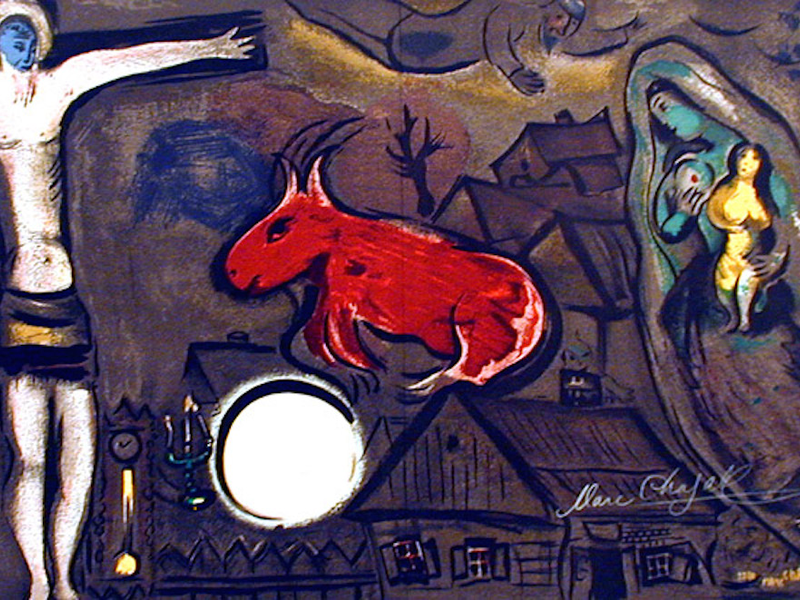
The Spirit of Christmas

Christmas is all about Jesus. The angels announce Jesus’ birth, shepherds and wise men come to see Jesus, Herod wants to kill Jesus. We occasionally think of the Father who sent the Son, but we keep returning to the Son made flesh in Bethlehem’s manger. Meanwhile, as always, the Spirit…

by Peter LeithartDecember 22, 2016
nativity
Advent

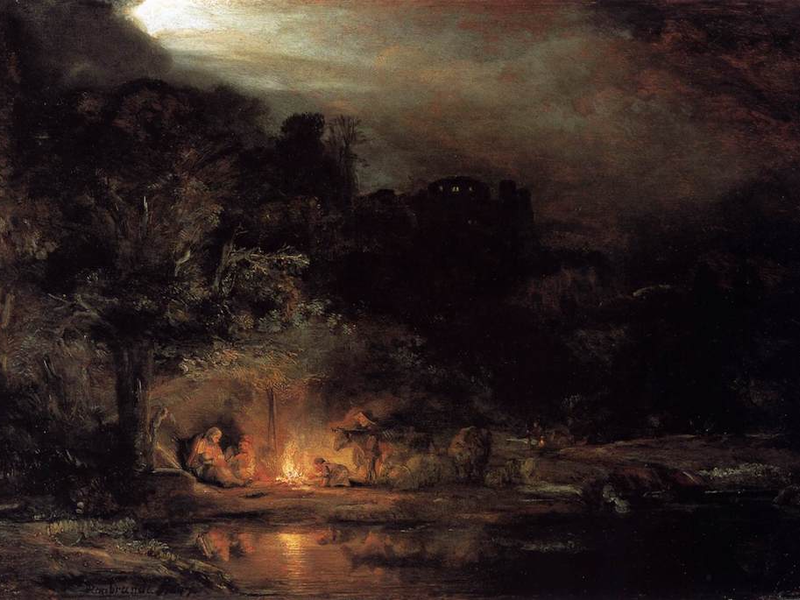
The Humility of God

Christmas is about many things, but one of the chief things revealed in the gospel of Christmas is the humility of God. We don't often think of humility as an attribute of God. If God is glorious and exalted, we think, He must be haughty and proud and self-centered. We…

by Peter LeithartDecember 21, 2016
screenshot-2025-12-15-at-8-35-45-am
Advent

Advent of Unity

John famously begins his Gospel with a piece of theology: “In the beginning was the Word, and the Word was with God, and the Word was God.” Matthew starts with a genealogy. John celebrates Advent with a hymn, Matthew with a list. For John, Jesus is the Word of creation…

by Peter LeithartDecember 20, 2016

Showing page 120 of 309

See all
See all

Figures, reality, figures

Christ’s death fulfills the figures of Israel’s sacrificial system ( ST III, 48, 3). It exceeds them in being the sacrifice of human flesh for humanity. But it’s not just reality in relation to figure, but is itself a figure, a “sign for of something to be observed by us.”…

March 12, 2013

Sacrificium non maleficium

How could Christ’s death be a sacrifice, since “those men who slew Christ did not perform any sacred act but rather wrought a great wrong”? ( ST , III, 48, 3). Christ’s passion is no sacrificium but a maleficium . Thomas answers by stressing the voluntary character of Christ’s death.…

March 12, 2013

The Creditor Pays

Did Christ effect salvation by way of redemption? Thomas asks ( ST III, 48, 4). It’s a question about salvation as payment . The first objection states that Christ could not have saved by way of redemption because no one buys or buys back ( emit vel redimit ) what…

March 12, 2013

One seed

NT Wright has argued for some time, beginning with The Climax of the Covenant: Christ and the Law in Pauline Theology , that the “one seed” who is Christ (Galatians 3:16) refers to a corporate reality, the single family of Abraham who are collectively called Christ. He points out that…

March 12, 2013
Media

Unforgetful

In Delete: The Virtue of Forgetting in the Digital Age ,Victor Mayer-Schonberger explores the reversal of memory and forgetfulness in the digital age: “Since the beginning of time, for us humans, forgetting has been the norm and remembering the exception. Because of digital technology and global networks, however, this balance…

March 11, 2013

Divorce and Cruelty

In his exhaustive study of Divorce and Remarriage in the Bible: The Social and Literary Context , David Instone-Brewer notes that “Cruelty and humiliation were . . . recognized as grounds for divorce and are related to emotional neglect in the Mishnah” (107). Both husbands and wives could be charged…

March 11, 2013

Showing page 778 of 2212

Browse by Category

In Medias Res

Your weekly digest for all things Theopolis.

Donate

Theopolis is nearly 100% donor-supported. Consider joining us on our mission.