Theopolis Logo

Writing

Explore our collection of theological essays, biblical studies, and reflections on faith and culture.

See all
shipwreck
Movies

Separation and the Sea: All Is Lost and Cast Away

“13th of July, 4:50 pm. I'm sorry. I know that means little at this point, but I am. I tried, I think you would all agree that I tried. To be true, to be strong, to be kind, to love, to be right. But I wasn't. And I know you…

by Remy WilkinsSeptember 22, 2016
priscilla
Ecclesiology

Priestesses?

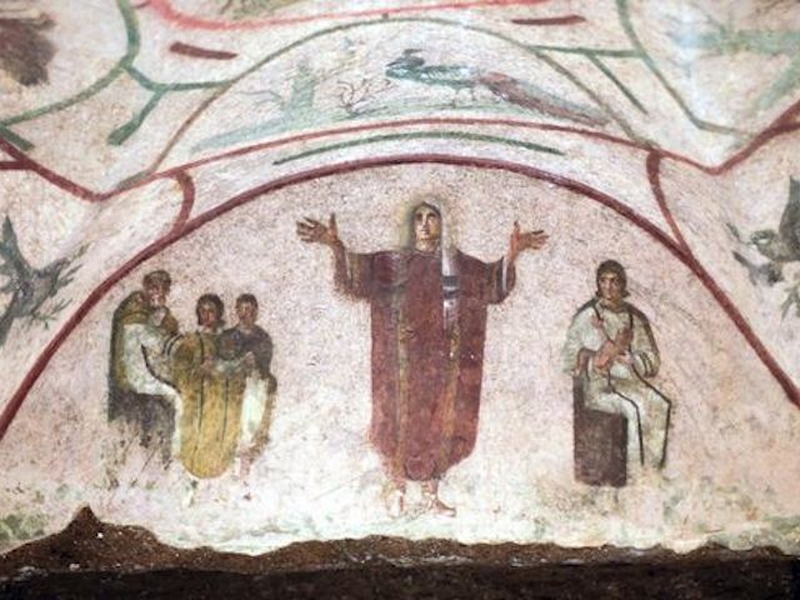
CS Lewis's 1948 essay on “Priestesses in the Church” strikes a reader today as simultaneously quaintly naive and trenchantly prescient. The naive part comes near the beginning, where Lewis describes the decision to take “a revolutionary step.” It would “cut ourselves off from the Christian past and to widen the…

by Peter LeithartSeptember 20, 2016
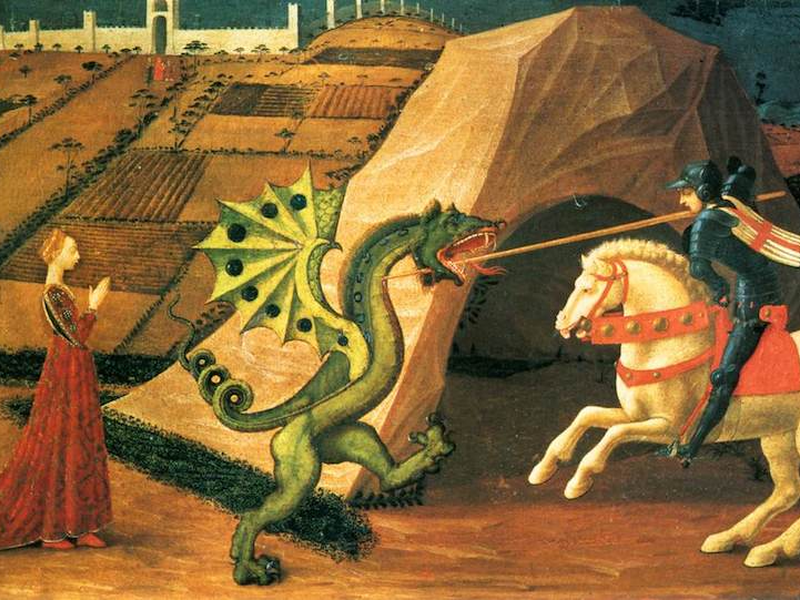
st-george-dragon
Literature

Serpents First

Imagine a version of the Lord of the Rings beginning with Sauron riding into the Shire and lopping off heads in a mad search for the ring, driving Frodo to flight from the beginning, helter-skelter and harried. While, no doubt, some Hollywood exec is at this moment scrambling to reboot…

by Remy WilkinsSeptember 15, 2016
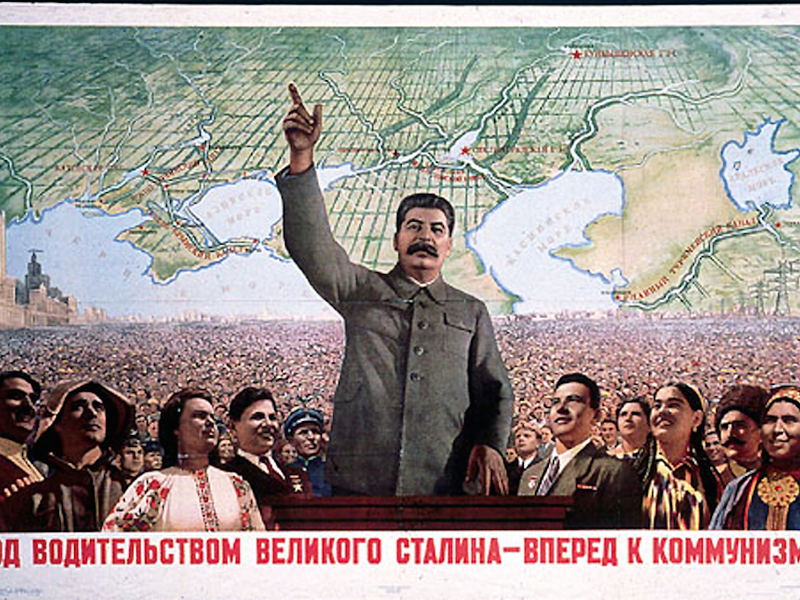
stalin-propaganda-poster
Communism

Socialism Without Society

A Communist Confession of Faith states that the aim of the Communists is “to organize society in such a way that every member of it can develop and use all his capabilities and powers in complete freedom and without thereby infringing the basic conditions of this society.” This aim can…

by Bogumil JarmulakSeptember 13, 2016
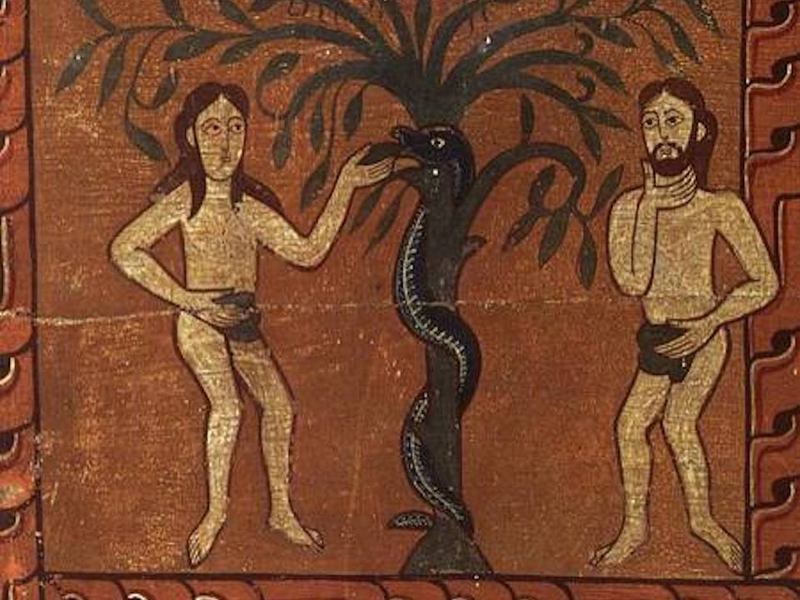
ind54453
Biblical Theology

The Falls of Man

The story of the Fall enjoys a peculiar place in Christian thought. Together with the creation account in the two chapters that precede it, it is one of the few Old Testament narratives consistently to escape the relative neglect the Hebrew Scriptures often suffer. While the characters of Abraham, Moses,…

by Alastair RobertsSeptember 8, 2016
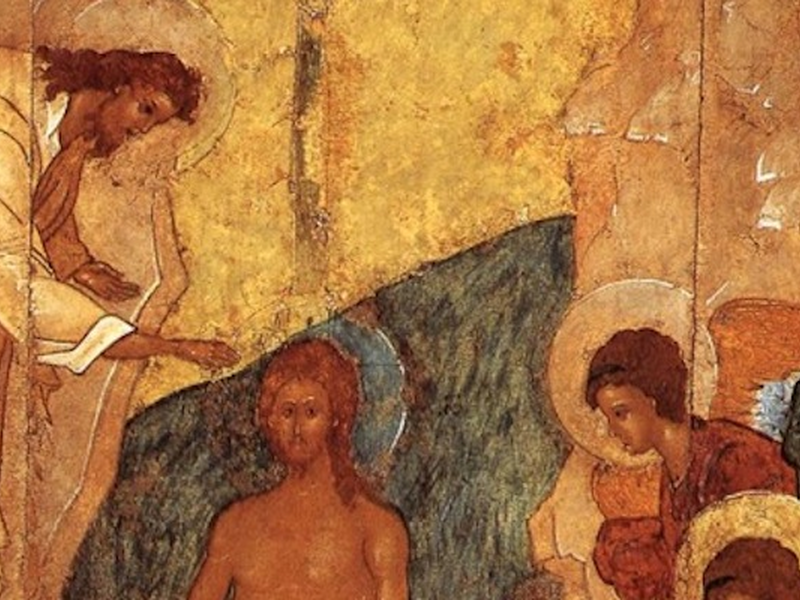
jesus-baptism
Baptism

Water, Spirit, and Fire, (Part 3)

In the previous essay, we saw that fire is a work of the Holy Spirit. The two are related so closely that they cannot be separated. Now we turn our attention to the Spirit's relationship to water. Many have understood Spirit baptism to be a dry baptism, one that is…

by Adam McIntoshSeptember 6, 2016

Showing page 125 of 309

See all
See all
Economics

Gift and Market

Unlike many theorists who discuss the gift, Jacques Godbout ( The World of the Gift , 193) does not believe that is should “drown” everything, especially markets: “That would not only be impossible but also very harmful, for a great society (statistically speaking) needs the state and market apparatus. The…

July 1, 2012
History

Child god

Godbout ( The World of the Gift , 40-41 ) remarks on the fact that “in modern society, children are the only people to whom one can give without even being tempted to do an accounting.” Many (he says) give to children and don’t expect them to make any return…

June 29, 2012
Philosophy

Santa and the Pure gift

Godbout ( The World of the Gift , 47) wonders about the curious “abnegation” of parents who convince their children that Santa, not they, made and gave that mountain of presents under the Christmas tree. One theory: “It’s as though the parents are trying to prove to themselves that they…

June 29, 2012

Why Wrap?

Jacques Godbout ( The World of the Gift , 37 ) asks why we wrap presents only to discard the wrapping. It is a “potlatch” gesture, a gesture of excess, “an utterly gratuitous extra.” Further, “it hides what is in circulation, thus demonstrating that what counts is not the hidden…

June 29, 2012
History

Modern gifts

In his work on Geschenk Nach Form Und Inhalt , written i 1914, Wilhelm Gaul laid out many of the parameters for future discussion of the gift. Harry Liebersohn ( The Return of the Gift ) quotes this impressive passage: “What is striking at once about the ‘modern’ gift is…

June 29, 2012
Economics

Historicizing Homo Economicus, II

A few quotations from the opening pages of Karl Bucher’s Industrial evolution; . Economic theory begins from the assumption that human beings have an “economic nature,” and that “From this economic nature a principle is supposed to spring, which controls all his actions that are directed to the satisfaction of…

June 29, 2012

Showing page 893 of 2212

Browse by Category

In Medias Res

Your weekly digest for all things Theopolis.

Donate

Theopolis is nearly 100% donor-supported. Consider joining us on our mission.