Theopolis Logo

Writing

Explore our collection of theological essays, biblical studies, and reflections on faith and culture.

See all
or
Abortion

Political Hermeneutics: The Argument From Silence, Part 2

Click HERE for part 1. III This leads to a further question. I have argued that silence cannot by itself establish a Scriptural principle, but does Scripture’s silence carry any weight in itself? Does the fact that something is unbiblical in a weak sense tell us anything at all? In…

by Peter LeithartMarch 13, 1990

hebrew-manuscript-6
Biblical Chronology

Groping Through the Gaps

Although nowadays gap theories are associated with dispensationalism, it was not always so. In the nineteenth century, scholars from a variety of backgrounds (Anglican, Reformed, and proto-fundamentalist) seem to have become fascinated by gaps. If you are not familiar with what I am talking about, this newsletter will acquaint you…

by James B. JordanFebruary 26, 1990
or
Abortion

Political Hermeneutics: The Argument from Silence, Part 1

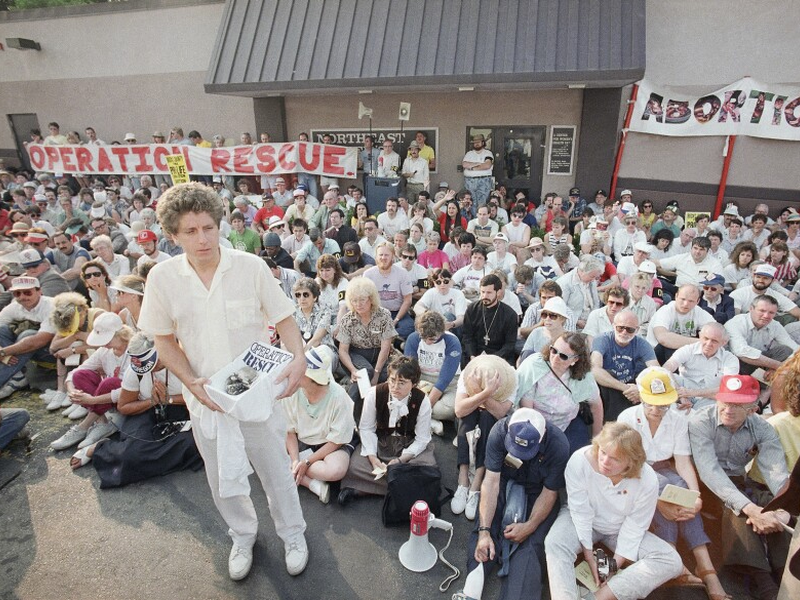
If the debate over Operation Rescue has proven anything, it has proven that there is absolutely no consensus among evangelicals in general, or among "reconstructionists" in particular, about how to use the Bible to judge political actions and movements. Each side of the debate claims biblical authority for its position,…

by Peter LeithartFebruary 13, 1990
49980-nicolas_poussin_-_the_judgment_of_solomon_-_wga18330-800w-tn
Biblical Studies

Advice From a Sojourner, Part 4

Two things I asked of Thee, Do not refuse me before I die: Keep deception and words of falsehood far from me, Give me neither poverty nor riches, Feed me with the food that it my portion, Lest I be full and deny Thee, And say, "Who is the LORD?"…

by James B. JordanFebruary 2, 1990
image-2
Biblical Horizons

Foucault’s Pendulum

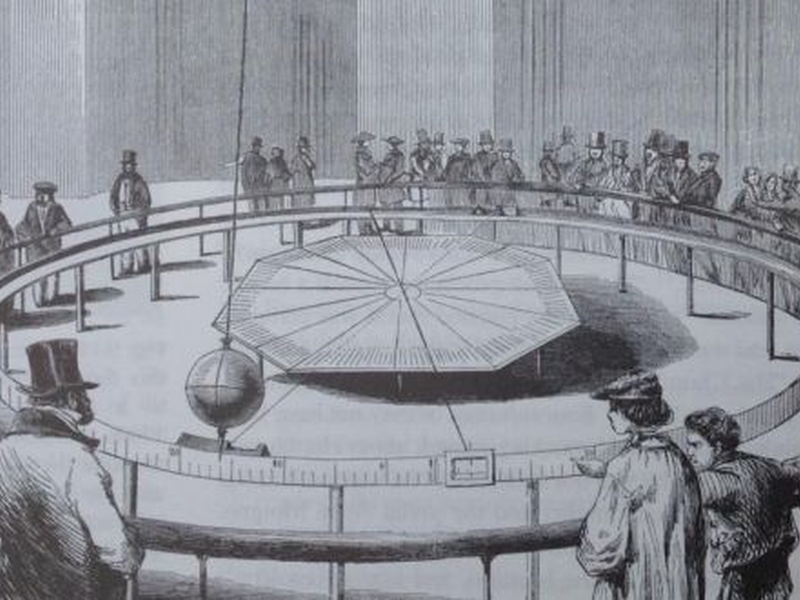
Umberto Eco’s "The Name of the Rose" was certainly one of the best literary works of the past decade, though the film version hardly measured up to it. Now Eco has given us a new novel, "Foucault’s Pendulum." Like Rose, Foucault’s Pendulum reflects on the limitations of human knowledge, and…

by James B. JordanJanuary 26, 1990
tanner-mardis-xuxghzhibn4-unsplash-1-2
Biblical Studies

What Is “Interpretive Maximalism”?

From time to time people ask me about "interpretive maximalism." They want to know what it is, and sometimes want to know if it represents some departure from the Reformed grammatico-historical, Biblico-theological approach to the Bible. I have something of a problem with these questions, because "interpretive maximalism" is not…

by James B. JordanJanuary 26, 1990

Showing page 305 of 309

See all

Showing page 28 of 43

See all

God's Wounds

J ean-Louis Chretien begins his Hand to Hand with a series of meditations on the story of Jacob wrestling with God, and artistic representations of that episode. He quotes Francois de Sales, who wrote: “Our Lord may turn us and sweep us round to the left or to the right;…

February 10, 2017

Silence of Painting

I n Hand to Hand , Jean-Louis Chretien meditates on silence in painting. He doesn't simply mean that painting is a visual rather than an audible art. Instead, he argues that paintings must not only be viewed but listened to: “To say that painting is silent is to say that…

February 10, 2017

Fair Nature's Second Chance

“G iving oneself up to sleep can constitute the worst of abandonments,” writes Jean-Louis Chretien ( Hand to Hand ), “wherein we abandon another person to his solitude and his distress by withdrawing ourselves from the common world and from our community with him. Our eyelids close upon our weary…

February 10, 2017

The New (Secular) Pragmatism

P aul Collier devotes a long, provocative, stimulating TLS review to a sketch of a “new pragmatism.” The review doubles as an essay on the “future of capitalism.” Along the way, Collier discusses the problems of multiculturalism and gives qualified endorsement to nationalism. Multiculturalism must be “bounded,” partly because Western…

February 10, 2017

Authoritarian Gardeners

D avid I. Smith and Susan M. Felch ( Teaching and Christian Imagination ) want to rehabilitate the symbolism of “gardening” as a model of education. It does require rehabilitation, not least because of Rousseau, who wrote: “God makes all things good. . . . [but] man meddles with them…

February 10, 2017

Horticultural Anthropology

D avid Smith and Susan Felch devote several pages of their Teaching and Christian Imagination (129–134) to a summary of John Amos Comenius's seventeenth-century treatise on education, Great Didactic . Comenius starts where humanity starts, with Eden's garden, and reflects that the garden is not only man's original location but…

February 10, 2017

Showing page 207 of 2212

Browse by Category

In Medias Res

Your weekly digest for all things Theopolis.

Donate

Theopolis is nearly 100% donor-supported. Consider joining us on our mission.