Theopolis Logo

Writing

Explore our collection of theological essays, biblical studies, and reflections on faith and culture.

See all
or
Abortion

Political Hermeneutics: The Argument From Silence, Part 2

Click HERE for part 1. III This leads to a further question. I have argued that silence cannot by itself establish a Scriptural principle, but does Scripture’s silence carry any weight in itself? Does the fact that something is unbiblical in a weak sense tell us anything at all? In…

by Peter LeithartMarch 13, 1990
hebrew-manuscript-6
Biblical Chronology

Groping Through the Gaps

Although nowadays gap theories are associated with dispensationalism, it was not always so. In the nineteenth century, scholars from a variety of backgrounds (Anglican, Reformed, and proto-fundamentalist) seem to have become fascinated by gaps. If you are not familiar with what I am talking about, this newsletter will acquaint you…

by James B. JordanFebruary 26, 1990
or
Abortion

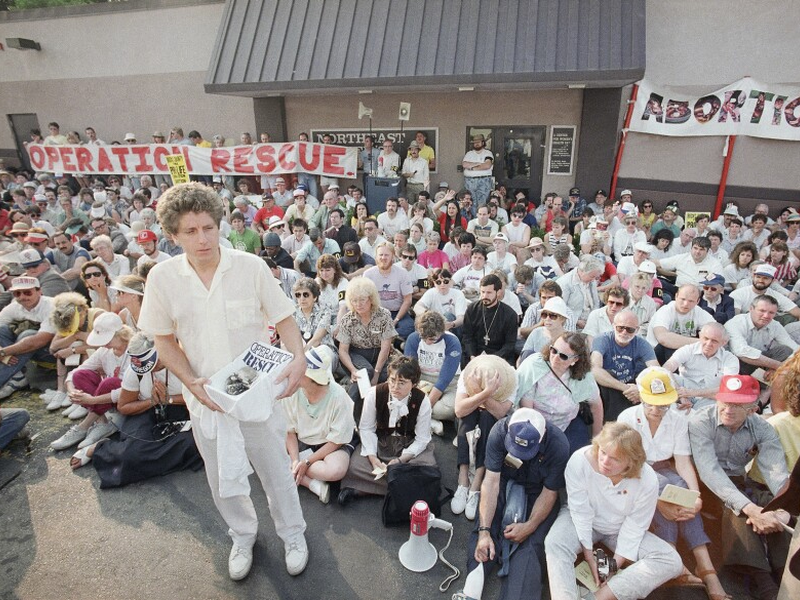
Political Hermeneutics: The Argument from Silence, Part 1

If the debate over Operation Rescue has proven anything, it has proven that there is absolutely no consensus among evangelicals in general, or among "reconstructionists" in particular, about how to use the Bible to judge political actions and movements. Each side of the debate claims biblical authority for its position,…

by Peter LeithartFebruary 13, 1990
49980-nicolas_poussin_-_the_judgment_of_solomon_-_wga18330-800w-tn
Biblical Studies

Advice From a Sojourner, Part 4

Two things I asked of Thee, Do not refuse me before I die: Keep deception and words of falsehood far from me, Give me neither poverty nor riches, Feed me with the food that it my portion, Lest I be full and deny Thee, And say, "Who is the LORD?"…

by James B. JordanFebruary 2, 1990
image-2
Biblical Horizons

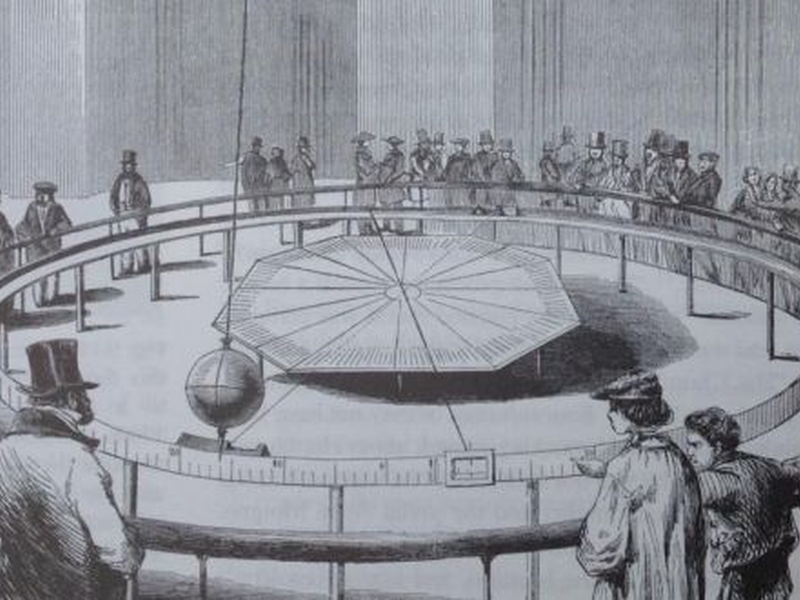
Foucault’s Pendulum

Umberto Eco’s "The Name of the Rose" was certainly one of the best literary works of the past decade, though the film version hardly measured up to it. Now Eco has given us a new novel, "Foucault’s Pendulum." Like Rose, Foucault’s Pendulum reflects on the limitations of human knowledge, and…

by James B. JordanJanuary 26, 1990
tanner-mardis-xuxghzhibn4-unsplash-1-2
Biblical Studies

What Is “Interpretive Maximalism”?

From time to time people ask me about "interpretive maximalism." They want to know what it is, and sometimes want to know if it represents some departure from the Reformed grammatico-historical, Biblico-theological approach to the Bible. I have something of a problem with these questions, because "interpretive maximalism" is not…

by James B. JordanJanuary 26, 1990

Showing page 305 of 309

See all

Showing page 28 of 43

See all

Dreaming Dreams

In the preface to Receptive Ecumenism , Paul Murray describes the three “voices” of the collection of essays in these terms: “(1) the dreaming of dreams; (2) the testing of such dreams for their viability; and (3) the discerning together of what might either hinder or promote their embodied ecclesial…

February 20, 2015

“We” Humans

In a series of studies, Michael Tomasello and colleagues at the Max Planck Institute for Evolutionary Biology have attempted to isolate what makes human cognition different from that of higher primates. Through a series of studies, they concluded that the key difference is what they call “shared intentionality,” the “we”…

February 19, 2015

How God Comes To Reign

After the two witnesses, the seventh angel blows the seventh trumpet, and loud voices of praise break out in heaven (Revelation 11:15). We’re back in heaven, and the twenty-four elders prostrate themselves before the Lord, the pantokrator , and praise Him because the kingdom of this world ( tou kosmou…

February 19, 2015

Lion Tribes

Solomon’s throne had six steps (1 Kings 10), with two lions flanking each step. That means 12 lions. Twelve lions are twelve tribes. But not all the tribes are leonine. Look back at Genesis 49, and you’ll find a donkey tribe (Issachar), a serpent tribe (Dan), a doe tribe (Naphtali),…

February 19, 2015

The Double

Richard Ayoade’s 2013 The Double , based on a Dostoevsky novella, is a dark comedy in every sense of the word. It takes place in a shrouded world, where all trains run underground, all lights are dim or flickering, where the few outdoor scenes occur at night. The comedy comes…

February 18, 2015

Receptivity and Lack

Building on John Paul II’s theology of the body, Adam Cooper’s Holy Eros sketches out a “liturgical theology of the body.” He aims to show “how the liturgy bodily enacts the truth of our Christian faith, and how that truth in turn is expressed in the structure and bodily actions…

February 18, 2015

Showing page 461 of 2212

Browse by Category

In Medias Res

Your weekly digest for all things Theopolis.

Donate

Theopolis is nearly 100% donor-supported. Consider joining us on our mission.