Theopolis Logo

Writing

Explore our collection of theological essays, biblical studies, and reflections on faith and culture.

See all
or
Abortion

Political Hermeneutics: The Argument From Silence, Part 2

Click HERE for part 1. III This leads to a further question. I have argued that silence cannot by itself establish a Scriptural principle, but does Scripture’s silence carry any weight in itself? Does the fact that something is unbiblical in a weak sense tell us anything at all? In…

by Peter LeithartMarch 13, 1990
hebrew-manuscript-6
Biblical Chronology

Groping Through the Gaps

Although nowadays gap theories are associated with dispensationalism, it was not always so. In the nineteenth century, scholars from a variety of backgrounds (Anglican, Reformed, and proto-fundamentalist) seem to have become fascinated by gaps. If you are not familiar with what I am talking about, this newsletter will acquaint you…

by James B. JordanFebruary 26, 1990
or
Abortion

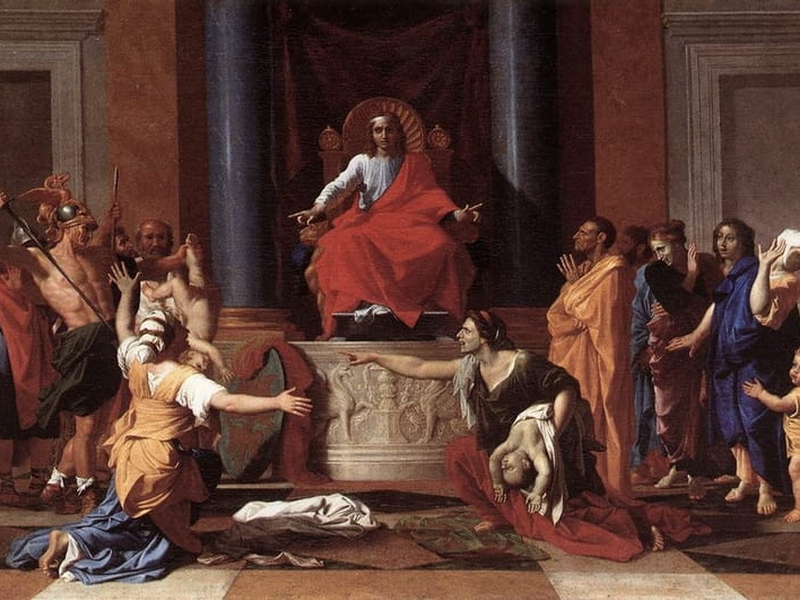
Political Hermeneutics: The Argument from Silence, Part 1

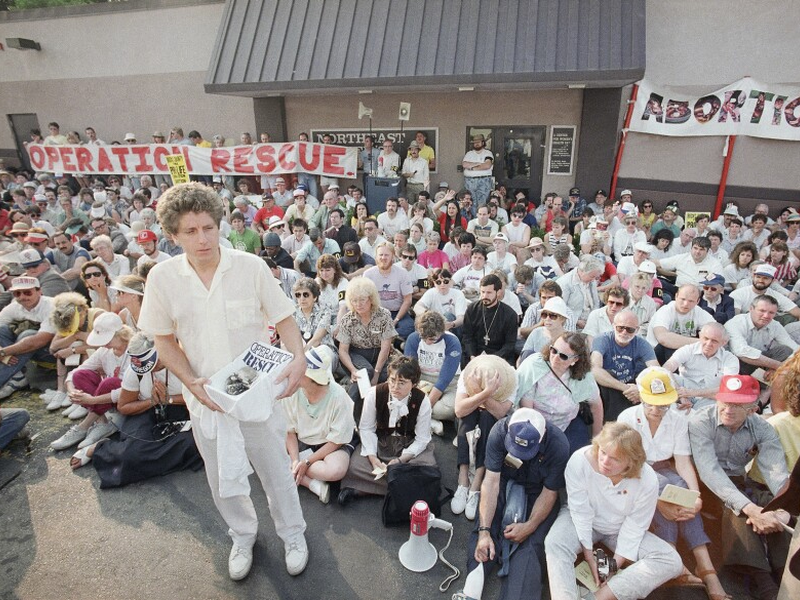
If the debate over Operation Rescue has proven anything, it has proven that there is absolutely no consensus among evangelicals in general, or among "reconstructionists" in particular, about how to use the Bible to judge political actions and movements. Each side of the debate claims biblical authority for its position,…

by Peter LeithartFebruary 13, 1990
49980-nicolas_poussin_-_the_judgment_of_solomon_-_wga18330-800w-tn
Biblical Studies

Advice From a Sojourner, Part 4

Two things I asked of Thee, Do not refuse me before I die: Keep deception and words of falsehood far from me, Give me neither poverty nor riches, Feed me with the food that it my portion, Lest I be full and deny Thee, And say, "Who is the LORD?"…

by James B. JordanFebruary 2, 1990
image-2
Biblical Horizons

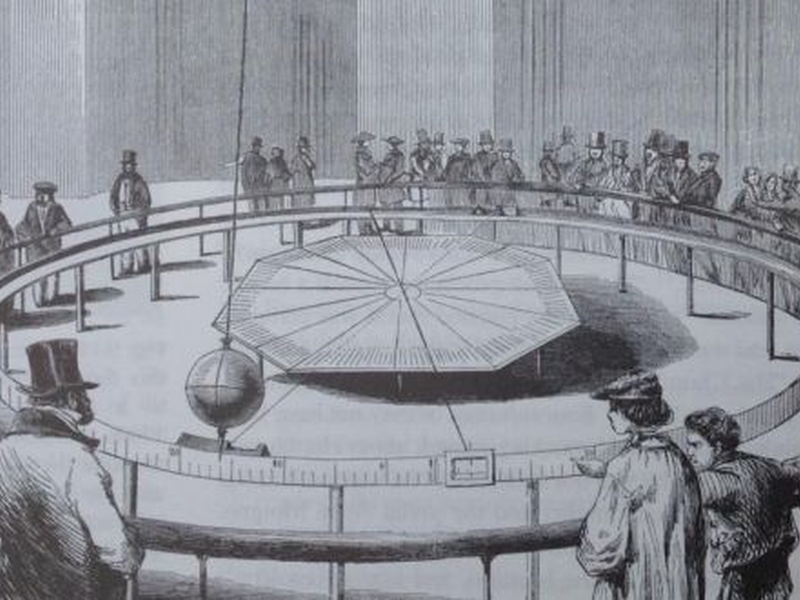
Foucault’s Pendulum

Umberto Eco’s "The Name of the Rose" was certainly one of the best literary works of the past decade, though the film version hardly measured up to it. Now Eco has given us a new novel, "Foucault’s Pendulum." Like Rose, Foucault’s Pendulum reflects on the limitations of human knowledge, and…

by James B. JordanJanuary 26, 1990
tanner-mardis-xuxghzhibn4-unsplash-1-2
Biblical Studies

What Is “Interpretive Maximalism”?

From time to time people ask me about "interpretive maximalism." They want to know what it is, and sometimes want to know if it represents some departure from the Reformed grammatico-historical, Biblico-theological approach to the Bible. I have something of a problem with these questions, because "interpretive maximalism" is not…

by James B. JordanJanuary 26, 1990

Showing page 305 of 309

See all

Showing page 29 of 43

See all

Cities Ascending and Descending

The Bible ends with a vision of the descent of a jeweled bridal city Jerusalem descending from heaven. Before the city descends, though. a city ascends: Babylon is destroyed and her smoke rises forever and ever. God's city descends only after the city of man is sent up to God…

August 14, 2015

Anti-Labor, Anti-Catholic

David Sehat argues ( The Myth of American Religious Freedom ) that the American moral establishment was undermined by the labor movement: “By the last quarter of the nineteenth century the corporation had joined the family, the church, and the school as an institution perpetuating Christian moral authority” (189). This…

August 13, 2015

Myth and the Fragmentation of Humanity

Paganism, writes Eugen Rosenstock-Huessy ( Christian Future ), “is best understood . . . as primitive man's response to the fear of death.” That means not only personal death but also the death of those groups to which he is bound—family, race, country. The problem is that “all finite forms…

August 13, 2015

The End For Which God Made Us

“The patristic concept of theosis is the most precise and compendious possible evocation of the end for which God creates us,” writes Robert Jenson in a characteristically dense essay in The Catholicity of the Reformation . It doesn't imply that the Creator-creature distinction is somehow erased; that difference is “indeed…

August 13, 2015

What Cantwell Achieved

David Sehat ( The Myth of American Religious Freedom , 222-3) observes that Cantwell v. Connecticut (1940) was the first Supreme Court decision to incorporate the religion clause of the First Amendment to the States. In the case, Jehovah's Witnesses were denied a license to proselytize. The Court struck down…

August 12, 2015

Creating Genocide

Emmanuel Katongole ( A Future for Africa , 98-101) argues, as others have, that the racial division behind the Rwandan genocide was forged during Western colonization. “Before the colonial occupation of Rwanda,” he writes, “the Hutu and Tutsi were not ‘clearly distinct and rigidly separated ethnic groups.'” The distinction existed,…

August 12, 2015

Showing page 390 of 2212

Browse by Category

In Medias Res

Your weekly digest for all things Theopolis.

Donate

Theopolis is nearly 100% donor-supported. Consider joining us on our mission.