Theopolis Logo

Writing

Explore our collection of theological essays, biblical studies, and reflections on faith and culture.

See all
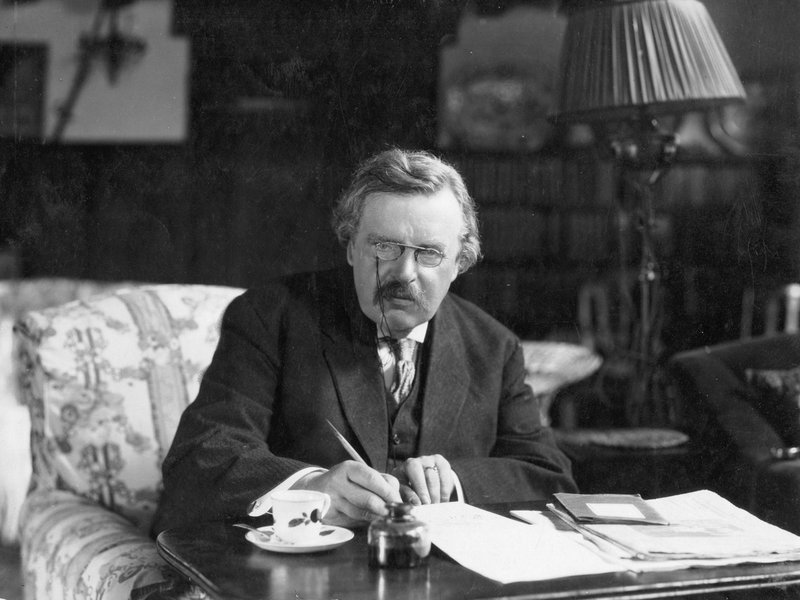
g-_k-_chesterton_at_work
Books

Interpreting "The Man Who Was Thursday"

I just finished re-reading G. K. Chesterton’s The Man Who Was Thursday . I have in the past had the temerity to say that I believe it to be the best novel of the 20th century. Be that as it may, I still maintain that it is at least one…

by Richard BledsoeJanuary 7, 2022
10779-istockgetty-images-plusredletterw
Hebrews

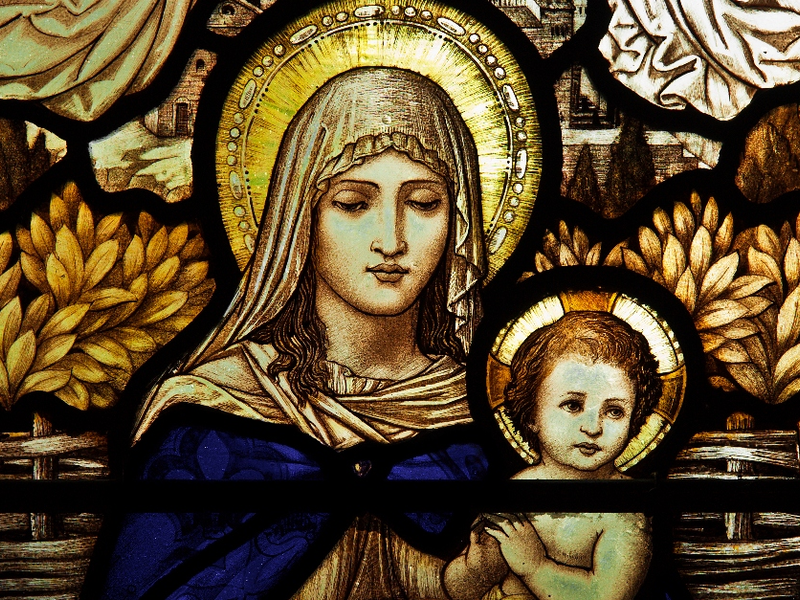
The Universality of Mary’s Wound

And Simeon blessed them and said to Mary his mother, “Behold, this child is set for the fall and rising of many in Israel, and for a sign that is spoken against and a sword will pierce through your own soul also, that thoughts out of many hearts may be…

by Garrett SoucyJanuary 4, 2022
heartierhymnals-stockimage
Music

An Argument for Heartier Hymnals

I was inspired to write this article after reading John Ahern’s The Case for Shorter Hymnals first published on Theopolis Institute’s website on November 16, 2021. Mr. Ahern and I are writing with different audiences and emphases in mind. I am thankful we both share a mutual desire to see…

by Jarrod RicheyDecember 30, 2021
tim-marshall-k2u71wv2ei4-unsplash-1
Biblical Studies

Image of God

If you’ve spent any time in the social-media galaxy of Christian cultural commentators, you have almost definitely run across the Latin phrase Imago Dei . It means image of God . Why they usually say it in Latin, I couldn’t tell you. We saw it in the wake of the…

by Daniel HoffmanDecember 28, 2021
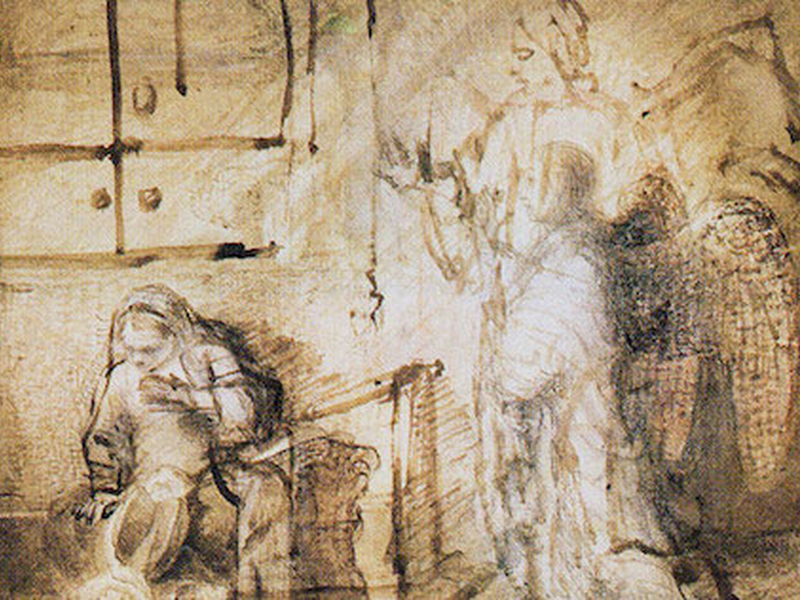
annunciation
Advent

He Comes to Make His Blessings Known: "Son of David" and "Son of Abraham" in Matthew 1:1

The Gospel of Matthew—indeed, the New Testament—begins with a list of names, and that list of names is introduced by this heading: “The book of the generations of Jesus Christ, the son of David, the son of Abraham.” Why start like this? Why “the son of David” and “the son…

by Josh JensenDecember 23, 2021
49980-nicolas_poussin_-_the_judgment_of_solomon_-_wga18330-800w-tn
Biblical Studies

On Not Needing to Cut the Baby in Half

A blade is raised. A child wails. But the brow under the crown is untroubled. Solomon knows that the raising of the sword will reveal the true parent and the identity of the son. But how did he know this? Abraham’s willingness to sacrifice Isaac certainly bears some of the…

by Jonathan WhiteDecember 21, 2021

Showing page 48 of 309

See all

Showing page 29 of 43

See all

They Knew God

Natural law arguments often conclude that every human being can know, without the help of revelation, that there is some deity, an ultimate reality, an absolute. Paul says that human beings know “about God” from creation, but also that they “knew God ” (Romans 1:19, 21)—that is, from creation they…

January 21, 2014

Apocalyptic Politics

My latest First Things column sparked some reflections on apocalyptic politics from the Economist’s Erasmus columnist. He moves my observations about apocalyptic philosophy to apocalyptic politics. It comes up in all sorts of places. “Iran’s former president, Mahmoud Ahmadinejad, seemed obsessed with eschatology to a degree that irritated the country’s…

January 21, 2014
Uncategorized

Bashing Twitter’s Bashers

Roger Cohen is tired of Twitter bashers: “It’s not easy, being of a certain generation, to avoid the dinner conversation that veers into a lament about the short attention spans, constant device distraction, sad superficiality and online exhibitionism of a younger generation geared to life in 140 characters or less.…

January 21, 2014
Uncategorized

Charismatic work

“Work is charismatic,” writes Craig Keen in After Crucifixion (80-1). Keen elaborates in a beautiful passage: “What we are given to work upon precedes us, a gift sent our way the first five days of creation, the days when the Spirit hovered over the face of the waters, before our…

January 21, 2014
Uncategorized

Progress(es)

Progress, Eugen Rosenstock-Huessy points out ( Christian Future ), was originally a plural term. “ Les progres ” was Condorcet’s phrase. What he had in mind were improvements, new gadgets and machines and gizmos. The singular form of the term came from early Christianity and referred to the spiritual improvement…

January 21, 2014
Uncategorized

Science and Society

Sciences today often occupy ruts, separated from each other, each as incomprehensible to non-specialists as languages were at the tower of Babel, and separated too from the larger currents of culture. But it is a myth, Rosenstock-Huessy says ( Christian Future ), to believe that “sciences can advance without regard…

January 21, 2014

Showing page 702 of 2212

Browse by Category

In Medias Res

Your weekly digest for all things Theopolis.

Donate

Theopolis is nearly 100% donor-supported. Consider joining us on our mission.