Theopolis Logo

Writing

Explore our collection of theological essays, biblical studies, and reflections on faith and culture.

See all
screen-shot-2018-02-08-at-9-58-52-am
Epistemology

Seeking Integration in a Fragmented World: Indwelling Polanyian Integration

So far I have claimed that, especially in this era of fragmentation, we seek some way to integrate our lives. I have suggested that the view that modernity holds of what knowledge is has actually been a critical source of the fragmentation we sense in the modern West. Imagining knowledge…

by Esther Lightcap MeekMay 1, 2018

e99a8370-2
Theopolis News

Theopolis Names New Executive Director

The Theopolis Institute has appointed John Crawford as Executive Director. John has been a student in the Junior Fellows Program this year, and proven to be an enthusiastic and articulate advocate of Theopolis's vision. "Theopolis brings a unique, comprehensive paradigm to cultural change - with the Church at the center,"…

by TheopolisApril 30, 2018
screen-shot-2018-02-08-at-9-58-52-am
Art

Artist-Priests in God’s Poetic World

Metaphor is already intrinsic to the Trinity. Jesus is not the Father. And then again, He is indwelt by the Father, and He in turn indwells the Father. “He who has seen Me,” Jesus said, “has seen the Father.” This fundamental is/is not relationship is the relationship of metaphor. A…

by Tim NicholsApril 26, 2018
stephen-martyr-lotto
James

Addressees and Author of James

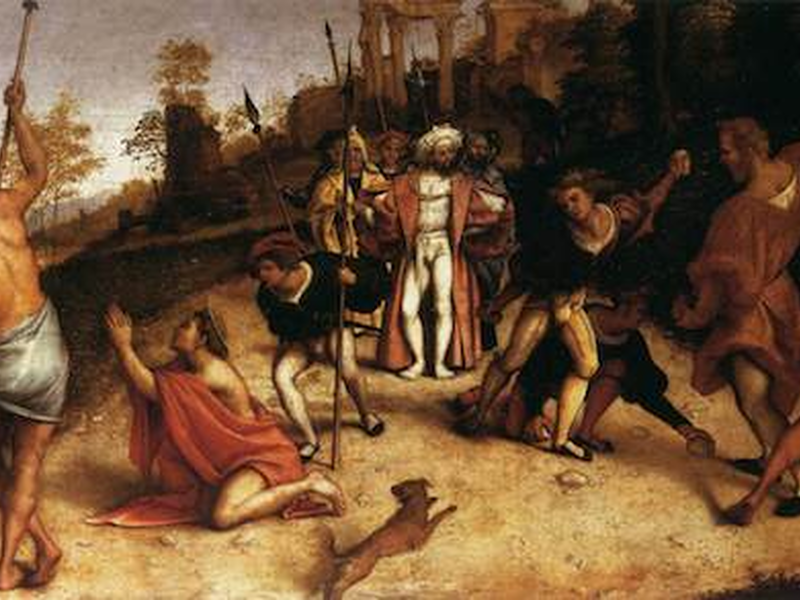
James, a bond-servant of God and of the Lord Jesus Christ, to the twelve tribes in the diaspora, greetings (James 1:1). Though the epistle of James is considered a "general" epistle, the letter originated from particular circumstances that can be discerned from the New Testament. In order to sketch its…

by Peter LeithartApril 24, 2018
sixteen-miles-out-al48tflf4e8-unsplash
Leviticus

Introduction to the Ascensions

Before considering the details of the Leviticus, we must have before us certain matters that have been established in Genesis and Exodus. These are things that we as Israelites already know when we first hear Moses report what God dictated to him in Leviticus. Adam Let us begin with Adam.…

by James B. JordanApril 19, 2018
img_1456
Culture

The Principalities and Powers, (Part 2)

For Part 1 of this series, click HERE . The great question for the emerging East, Asia and other awakening third world areas, for an emerging nation like China is, “what fate awaits them?” They are now emerging from an analogous paganism that the West emerged from centuries ago. Here…

by Richard BledsoeApril 17, 2018

Showing page 95 of 309

See all
See all
History

Jewish/Non-Jewish Gnosis

In his history of Christianity, August Neander distinguished between gnostics who arose from within Judaism and those whose inspiration came from “Oriental” modes of thought. Here is his description of the Jewish sources of gnosticism: In the following respect, all these Gnostics agree ; they all held . . .…

December 21, 2007
History

Gnosticism and Samaritan theology

A few scattered notes from Jarl Fossum’s book examining the links between the figure of the “angel of Yahweh” in Samaritan theology and the “demiurge” of gnosticism. 1) Fossum points out that Simon Magus, legendarily the fountain of Gnosticism, venerated the Torah, and that some of the church Fathers said…

December 21, 2007
History

Gnosticism and Jewish Revolt

In a 2006 book on the origins of gnosticism, Carl B. Smith offers an alternative account of the connections of Judaism and gnosticism. According to the JETS reviewer: Smith “proposes that gnosticism arose in a social context of ‘alienated Judaism’ influenced by Greco-Roman and early Christian ideas in the aftermath…

December 21, 2007

Gnosticism and AD 70

In a book published in 1959, R. M. Grant attempted “to explain Gnosticism as arising out of the debris of apocalyptic-eschatological hopes which resulted from the fall or falls of Jerusalem.” According to a reviewer in Theology T0day , “Grant stresses the Jewish element which, as he rightly says, has…

December 21, 2007
History

Yahweh/Kronos

Origen says that the Ophite demiurge had the face of a lion and was connected with Saturn, and this has led some scholars to conclude that Jaldabaoth was a combination of Baal and Kronos. John of Damascus says that the Phoenicians held Kronos to be a kind of demiurge, and…

December 21, 2007
History

Jaldabaoth

According to Alfred Honig (writing in the late 19th century), the Ophite name for the demiurge, Jaldabaoth, comes from a Hebrew phrase meaning “child of chaos,” and the etymology goes back at least to the 1820s. Scholem argued, however, that the name was invented by a Jew and is a…

December 21, 2007

Showing page 1592 of 2212

Browse by Category

In Medias Res

Your weekly digest for all things Theopolis.

Donate

Theopolis is nearly 100% donor-supported. Consider joining us on our mission.