Theopolis Logo

Writing

Explore our collection of theological essays, biblical studies, and reflections on faith and culture.

See all
img_0166-2
How to Worship

How Liturgy Simplifies Worship for the Cognitively Impaired

Suffer little children, and forbid them not, to come unto Me. In 2005, God blessed our family with our third child, our second daughter, whom we named Bethany. As soon as Bethany was born, we knew there was something different about her. Unlike her two older siblings, who were born…

by Gregory LaughlinMay 4, 2017
screen-shot-2017-05-01-at-1-09-10-pm
Creeds

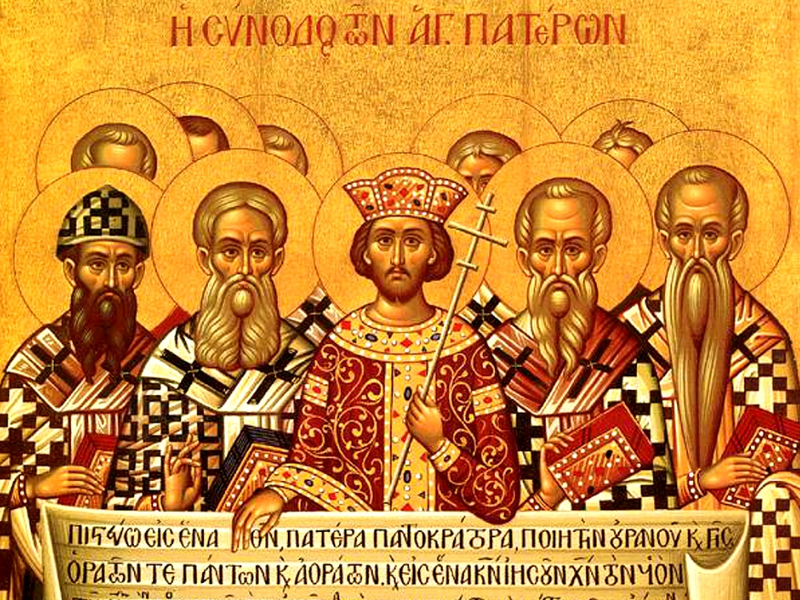
How Pastors Can Incorporate the Creeds in their Churches

Christian, what is it that we believe? While Creeds like the Nicene and Apostle’s have been fundamental pieces of Christian liturgy and life, the American Church is highly unattached to these classic statements. From this creedal phobia has arisen the popular “No Creed, but Christ” slogan. Such slogan, of course,…

by Uri BritoMay 2, 2017
wars-of-religion
Books

Myth of Religious Violence

Revisiting William Cavanaugh’s devastating 2009 The Myth of Religious Violence . The myth of Cavanaugh’s title is a well-known one. According to the myth, religion is a distinct sphere of human life and practice from the rest of human social life, a universal impulse in human beings, and is dogmatic,…

by Peter LeithartApril 27, 2017
resurrection
Church Calendar

A Glad New Day

19 Then the same day at evening, being the first day of the week, when the doors were shut where the disciples were assembled for fear of the Jews, came Jesus and stood in the midst, and saith unto them, Peace be unto you. 20 And when he had so…

by Arthur KayApril 25, 2017
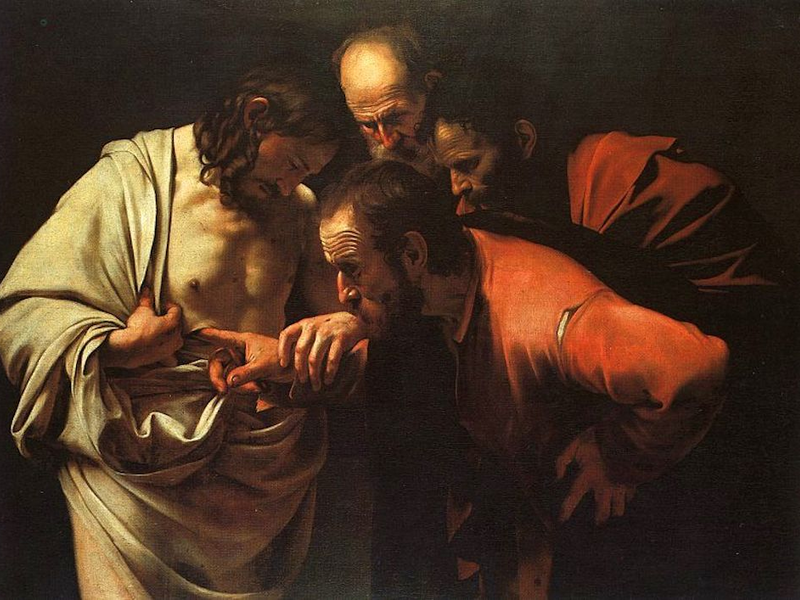
doubting-thomas
John

Thomas and Us

An octave is a repetition, a repetition with a difference. It’s not the first note played again , but the first note played at a higher pitch. Octaves have always marked new beginnings. Hebrew boys were circumcised on the eighth day. Firstborn sheep were dedicated to Yahweh on the eighth…

by Peter LeithartApril 21, 2017
sky-from-bridge
Church Calendar

Resurrection: The Best and Worst News

We say Jesus’ resurrection is good news. It wasn’t good news for the disciples on the first Easter. More like perplexing, bewildering news. For others, it wasn’t perplexing, and it certainly wasn’t good. It was plain old bad news. Early in Luke’s gospel, Herod is terrified that Jesus might be…

by Peter LeithartApril 20, 2017

Showing page 113 of 309

See all
See all

Tale of Two Women

In Numbers 12, Miriam and Aaron object to Moses’ Cushite wife. Miriam becomes leprous, is excluded from the camp, and restored on the eighth day. That is to say: The Messiah’s Jewish sister objects to the Gentile bride, and is cast out of the camp, but then she is cleansed…

November 9, 2007

Sacrificial sequence

Hicks again: He organizes his discussion of the New Covenant fulfillment of the sacrificial system in the phrases “life surrendered,” “life transformed,” and “life shared.” Reconciliation is made on the basis of life surrendered, blood shed, but that’s not the end point of the reconciling sacrifice. This enables him to…

November 8, 2007

Burning flesh

FCN Hicks writes in his 1946 book on sacrifice that the burning of an animal on the altar was not destructive but transforming: “The offering is not destroyed but transformed, sublimated, etherealised, so that it can ascend in smoke to the heaven above, to the dwelling-place of God.” He cites…

November 8, 2007
Philosophy

Signs and domination

Only God, Augustine argues in his treatise on music, acts on rational souls directly, “per seipsum.” Human beings operate on one another’s souls through intervening bodies, that is, through the words and other signs. God has arranged the world this way, he says, as a check on human ambition and…

November 8, 2007

Signa data

Many translators and interpreters of Augustine’s de doctrina Christiana translate “signa data” as “conventional signs.” But there’s something to be said for taking the phrase literally (as some commentators do). The difference between naturalia and data, Augustine says, is that the latter occur by the will of a sign-user while…

November 7, 2007
History

Sixteenth-century exchanges

Shakespeare recognized that something new was in the offing, but the actual situation of England and Europe in the sixteenth and seventeenth centuries was far more complicated that Timon of Athens suggests. The gift-society to which Timon is attached was not being completely replaced, nor was the market the main…

November 7, 2007

Showing page 1609 of 2212

Browse by Category

In Medias Res

Your weekly digest for all things Theopolis.

Donate

Theopolis is nearly 100% donor-supported. Consider joining us on our mission.