Theopolis Logo

Writing

Explore our collection of theological essays, biblical studies, and reflections on faith and culture.

See all
screen-shot-2023-02-24-at-1-48-41-pm
Biblical Chronology

Chronologies and Kings: Part 3

The chronology of the Kings of Judah and Israel can be divided into three periods with clearly defined boundaries. The first period begins with the death of Solomon and the accessions of Rehoboam in the south (Judah) and Jeroboam in the north (Israel). It ends with the deaths of Ahaziah…

by James B. JordanSeptember 22, 1991

johann-walter-bantz-clv9dfjlwac-unsplash-1-5
Art

Arts & Play, Part 1

Most modern people regard the arts as essentially decorative. They are hardly very important, as compared to business, politics, or religion. Yet, from a Biblical point of view, the arts lie close to the heart of human life. The universe that God created is itself an artistic masterpiece by the…

by James B. JordanSeptember 22, 1991
6273e95e0f5ac766258d8cf3_joshuasconquestoftheland-2
Exodus

Chronologies and Kings, Part 2

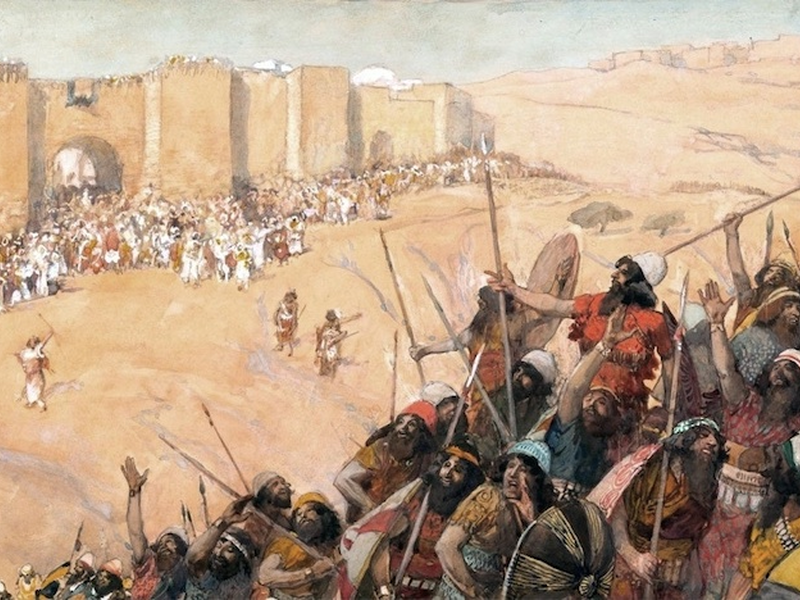
Before we move into a detailed survey of the history and chronology of the kings of Israel and Judah, let us review the chronological information that leads from creation to the kingdom. This will be helpful both to new readers of these essays, and a reminder for those who have…

by James B. JordanAugust 22, 1991
screen-shot-2023-02-24-at-1-48-41-pm
Biblical Chronology

Chronologies and Kings, Part 1

We have completed our overall survey of Biblical chronology, and now turn to a detailed examination of the Biblical information regarding the chronology of Israel’s kings. The first piece of chronological information we have regarding Israel’s kings is very cryptic, and it serves as an guide to the interpretation of…

by James B. JordanJuly 22, 1991
screenshot-2023-08-09-at-2-13-32-pm
Biblical Horizons

Book Review - To Take Place: Toward Theory in Ritual

Jonathan Z. Smith, To Take Place: Toward Theory in Ritual (Chicago: University of Chicago Press, 1987). Reviewed by Peter J. Leithart. The philosophes of the 18th century often attacked Christendom using the tools of anthropology and comparative religion. Rousseau contrasted the idyllic equality of primitive, natural peoples with the bondage…

by Peter LeithartJuly 6, 1991
screenshot-2023-08-09-at-1-47-41-pm
Biblical Horizons

Book Review: The Rise of Magic in Early Medieval Europe

Valerie I. J. Flint, The Rise of Magic in Early Medieval Europe (Princeton University Press, 1991). Reviewed by Peter J. Leithart. Valerie I. J. Flint, Professor of History at the University of Auckland, New Zealand, is refreshingly candid about her reasons for undertaking a study of The Rise of Magic…

by Peter LeithartJuly 6, 1991

Showing page 295 of 309

See all
See all
Politics

Machiavelli on Ingratitude

From Book 1 of the Discourses on Livy: FOR WHAT REASONS THE ROMANS WERE LESS UNGRATEFUL TO THEIR CITIZENS THAN THE ATHENIANS Whoever reads of the things done by Republics will find in all of them some species of ingratitude against their citizens, but he will find less in Rome…

March 21, 2006

What Plato Owed Athens

Socrates’ explanation of his willingness to submit to the laws of Athens, from the Crito. Since he owes the city his very existence, he has no right to renounce the laws when they turn against him: Soc. “And was that our agreement with you?” the law would say, “or were…

March 21, 2006
History

Renaissance on ingratitude

A few quotations from Renaissance writers on the subject of ingratitude, drawn from Catherine Dunn’s excellent 1946 CUA dissertation on the subject: Lodowick Bryskett argued that ingratitude was contrary to reason: “How shamefull a thing is it therefore to man, that brute beasts should give him examples of gratitude; and…

March 21, 2006

Persians and ingratitude

Xenophon describes the Persian training of boys in the Cyropaedia (1.2.6-7), highlighting the effects of ingratitude: “The boys go to school and give their time to learning justice and righteousness: they will tell you they come for that purpose, and the phrase is as natural with them as it is…

March 21, 2006

Aristotelian gratitude

Some excerpts from Aristotle’s discussion relevant to gratitude in Nicomachian Ethics. First, a treatment of the reasons for making return on a benefit received (from 9.1): “But who is to fix the worth of the service; he who makes the sacrifice or he who has got the advantage? At any…

March 21, 2006

Parenthood

Katherine Marsh writes in the March 13 TNR that parenthood is not what it was cracked up to be. Instead of bringing fulfillment and happiness, it turns out that parenthood is difficult, and a number of recent articles and studies have suggested that parents are more “sad, distracted or depressed”…

March 14, 2006

Showing page 1869 of 2212

Browse by Category

In Medias Res

Your weekly digest for all things Theopolis.

Donate

Theopolis is nearly 100% donor-supported. Consider joining us on our mission.