Theopolis Logo

Writing

Explore our collection of theological essays, biblical studies, and reflections on faith and culture.

See all
timothy-eberly-djj49s6ud2o-unsplash
Biblical Studies

Whom Shall We Believe? Evangelicals and Scholarship

As we move into the Persian period of ancient history, and try to reconcile it with Daniel’s prophecies, we need to ask some hard questions about the interpretation of the data before us. One question concerns the reliability of the Biblical witness, and beyond that a second question concerns the…

by James B. JordanJanuary 30, 1991
a2-118606403-jpg
Biblical Horizons

Understanding Russia

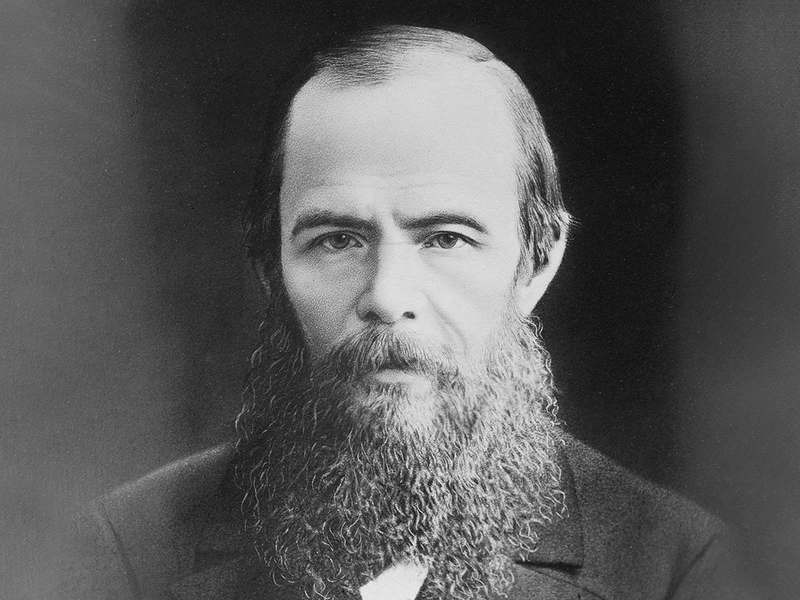
Ewa Majewska Thompson: Understanding Russia: The Holy Fool in Russian Culture Ewa M. Thompson is Professor and Chairman of the Department of German and Slavic Studies at Rice University. In this seminal study, she investigates the concept of the "holy fool" as it exists in Russian culture and civilization. While…

by James B. JordanJanuary 30, 1991
alfons-morales-ylswjsy7stw-unsplash-1
Biblical Studies

The Bible and Western Literature

The most cursory glance at the history of Western literature reveals that it has been deeply influenced by the Bible. Some of the greatest classics of Western literature draw their plots, characters, and ideas largely from Scripture; Dante’s Divine Comedy and Milton’s Paradise Lost are two of the most notable…

by Peter LeithartJanuary 23, 1991
screen-shot-2022-04-28-at-4-57-36-pm
Exodus

The Beautiful Child

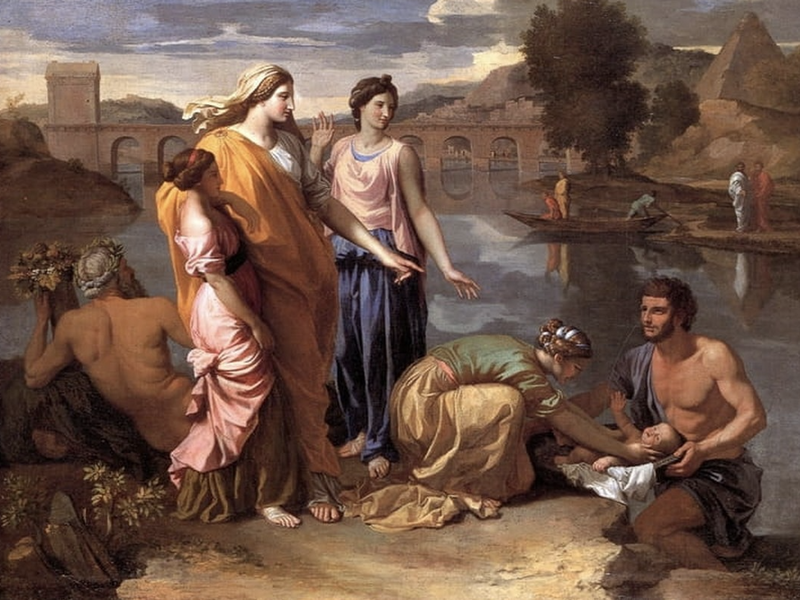
Each time the Scriptures recount the story of Moses’ birth and deliverance from Pharaoh, reference is made to two facts about that event. First, each text points out that Moses was "beautiful." Second, each text points out that Amram and Jochebed, his parents, hid him for three months (cf. Ex.…

by Peter LeithartJanuary 23, 1991
501819ld-2
Romans

Who Rules the Land? The Meaning of the Noahic Covenant, Part 2

Click HERE for Part 1. The Message of the Covenant Can we really say that the saints presently rule the world, and always have since Noah? Look around and you can see that the wicked rule in virtually every country on earth. There are wicked civilizations that rise Babelically age…

by James B. JordanDecember 30, 1990
hebrew-manuscript-6
Hermeneutics

Daniel’s 70 Weeks

As we saw last time , we have come to the place in the study of Biblical chronology where it seems that we are forced to abandon the Bible itself as our primary source of information. If we assume that the seventy sevens of Daniel 9:24-27 are in fact weeks…

by James B. JordanDecember 23, 1990

Showing page 300 of 309

See all
See all

They Knew God

Natural law arguments often conclude that every human being can know, without the help of revelation, that there is some deity, an ultimate reality, an absolute. Paul says that human beings know “about God” from creation, but also that they “knew God ” (Romans 1:19, 21)—that is, from creation they…

January 21, 2014

Apocalyptic Politics

My latest First Things column sparked some reflections on apocalyptic politics from the Economist’s Erasmus columnist. He moves my observations about apocalyptic philosophy to apocalyptic politics. It comes up in all sorts of places. “Iran’s former president, Mahmoud Ahmadinejad, seemed obsessed with eschatology to a degree that irritated the country’s…

January 21, 2014
Uncategorized

Bashing Twitter’s Bashers

Roger Cohen is tired of Twitter bashers: “It’s not easy, being of a certain generation, to avoid the dinner conversation that veers into a lament about the short attention spans, constant device distraction, sad superficiality and online exhibitionism of a younger generation geared to life in 140 characters or less.…

January 21, 2014
Uncategorized

Charismatic work

“Work is charismatic,” writes Craig Keen in After Crucifixion (80-1). Keen elaborates in a beautiful passage: “What we are given to work upon precedes us, a gift sent our way the first five days of creation, the days when the Spirit hovered over the face of the waters, before our…

January 21, 2014
Uncategorized

Progress(es)

Progress, Eugen Rosenstock-Huessy points out ( Christian Future ), was originally a plural term. “ Les progres ” was Condorcet’s phrase. What he had in mind were improvements, new gadgets and machines and gizmos. The singular form of the term came from early Christianity and referred to the spiritual improvement…

January 21, 2014
Uncategorized

Science and Society

Sciences today often occupy ruts, separated from each other, each as incomprehensible to non-specialists as languages were at the tower of Babel, and separated too from the larger currents of culture. But it is a myth, Rosenstock-Huessy says ( Christian Future ), to believe that “sciences can advance without regard…

January 21, 2014

Showing page 702 of 2212

Browse by Category

In Medias Res

Your weekly digest for all things Theopolis.

Donate

Theopolis is nearly 100% donor-supported. Consider joining us on our mission.