Theopolis Logo

Writing

Explore our collection of theological essays, biblical studies, and reflections on faith and culture.

See all
or
Abortion

Political Hermeneutics: The Argument From Silence, Part 2

Click HERE for part 1. III This leads to a further question. I have argued that silence cannot by itself establish a Scriptural principle, but does Scripture’s silence carry any weight in itself? Does the fact that something is unbiblical in a weak sense tell us anything at all? In…

by Peter LeithartMarch 13, 1990

hebrew-manuscript-6
Biblical Chronology

Groping Through the Gaps

Although nowadays gap theories are associated with dispensationalism, it was not always so. In the nineteenth century, scholars from a variety of backgrounds (Anglican, Reformed, and proto-fundamentalist) seem to have become fascinated by gaps. If you are not familiar with what I am talking about, this newsletter will acquaint you…

by James B. JordanFebruary 26, 1990
or
Abortion

Political Hermeneutics: The Argument from Silence, Part 1

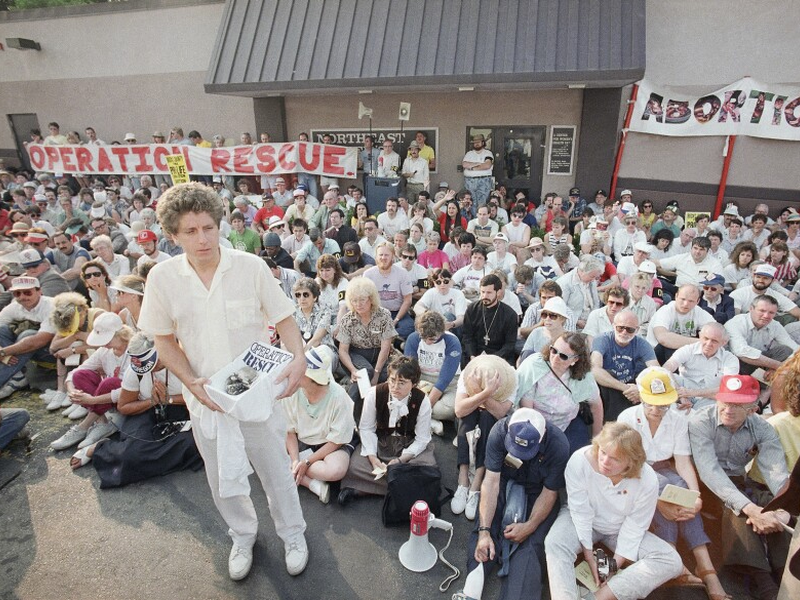
If the debate over Operation Rescue has proven anything, it has proven that there is absolutely no consensus among evangelicals in general, or among "reconstructionists" in particular, about how to use the Bible to judge political actions and movements. Each side of the debate claims biblical authority for its position,…

by Peter LeithartFebruary 13, 1990
49980-nicolas_poussin_-_the_judgment_of_solomon_-_wga18330-800w-tn
Biblical Studies

Advice From a Sojourner, Part 4

Two things I asked of Thee, Do not refuse me before I die: Keep deception and words of falsehood far from me, Give me neither poverty nor riches, Feed me with the food that it my portion, Lest I be full and deny Thee, And say, "Who is the LORD?"…

by James B. JordanFebruary 2, 1990
image-2
Biblical Horizons

Foucault’s Pendulum

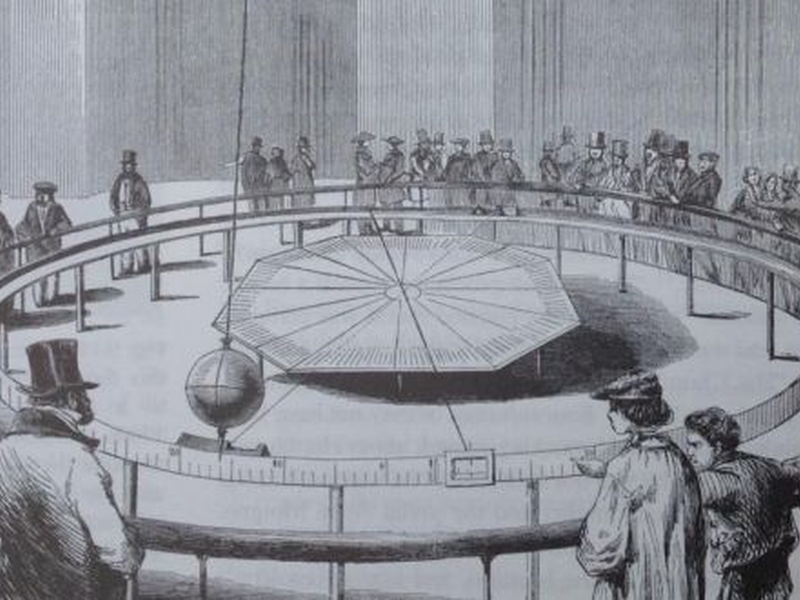
Umberto Eco’s "The Name of the Rose" was certainly one of the best literary works of the past decade, though the film version hardly measured up to it. Now Eco has given us a new novel, "Foucault’s Pendulum." Like Rose, Foucault’s Pendulum reflects on the limitations of human knowledge, and…

by James B. JordanJanuary 26, 1990
tanner-mardis-xuxghzhibn4-unsplash-1-2
Biblical Studies

What Is “Interpretive Maximalism”?

From time to time people ask me about "interpretive maximalism." They want to know what it is, and sometimes want to know if it represents some departure from the Reformed grammatico-historical, Biblico-theological approach to the Bible. I have something of a problem with these questions, because "interpretive maximalism" is not…

by James B. JordanJanuary 26, 1990

Showing page 305 of 309

See all

Showing page 31 of 43

See all

Knowing the “From the Begining”

1 John 2:13-14 twice says that groups within the church “know the one from the beginning.” That is a perfectly fine way to translate it, but the Greek has TON AP’ ARXES, “the from the beginning.” To whom is this phrase referring? The more awkward translation suggests the possibility that…

October 12, 2006

Overcoming the world

The sequence from 1 John 2:14-15 seems abrupt: John moves from addressing children, fathers, and young men to the warning not to love the world. But there is a link between the “overcoming” in 2:14 to the “world” in 2:15. Every other time the verb “overcome” is used in John,…

October 12, 2006
Theology

Persistence of the past

The doctrine of original sin is bound up with the conviction that the past inheres in the present, for the human race and for individuals. And for this the denial of original sin is the necessary premise for all revolutionary politics and also explains why revolutionary politics invariably ends up…

October 12, 2006
History

Political religion

Few have said it with the forthrightness of Joseph II, the Habsburg emperor from 1780 to 1790, who justified his 1781 Edict of Toleration because “with freedom of religion, one religion will remain, that of guiding all citizens alike to the welfare of the state. Without this approach we shall…

October 11, 2006
History

Enthusiasts of reason

Since Carl Becker’s book on the heavenly city of the philosophes, historians have recognized that the Enlightenment was motivated, by a secularized version of the biblical story - a fall from the Golden Age of the classical world into the darkness of superstitution and priestcraft, the gospel of Enlightenment and…

October 11, 2006
History

Cleric and Philosophe

Battle lines are never, in reality, as clean as we see them in retrospect. Some 700 of the 20,000 freemasons in pre-Revolutionary France were Catholic clergy, and Michael Burleigh reports that “revolutionaries and counter-revolutionaries, clergy and laity shared a taste for the same authors. In 1778 Marie Antoinette attended the…

October 11, 2006

Showing page 1779 of 2212

Browse by Category

In Medias Res

Your weekly digest for all things Theopolis.

Donate

Theopolis is nearly 100% donor-supported. Consider joining us on our mission.