Theopolis Logo

Writing

Explore our collection of theological essays, biblical studies, and reflections on faith and culture.

See all
or
Abortion

Political Hermeneutics: The Argument From Silence, Part 2

Click HERE for part 1. III This leads to a further question. I have argued that silence cannot by itself establish a Scriptural principle, but does Scripture’s silence carry any weight in itself? Does the fact that something is unbiblical in a weak sense tell us anything at all? In…

by Peter LeithartMarch 13, 1990

hebrew-manuscript-6
Biblical Chronology

Groping Through the Gaps

Although nowadays gap theories are associated with dispensationalism, it was not always so. In the nineteenth century, scholars from a variety of backgrounds (Anglican, Reformed, and proto-fundamentalist) seem to have become fascinated by gaps. If you are not familiar with what I am talking about, this newsletter will acquaint you…

by James B. JordanFebruary 26, 1990
or
Abortion

Political Hermeneutics: The Argument from Silence, Part 1

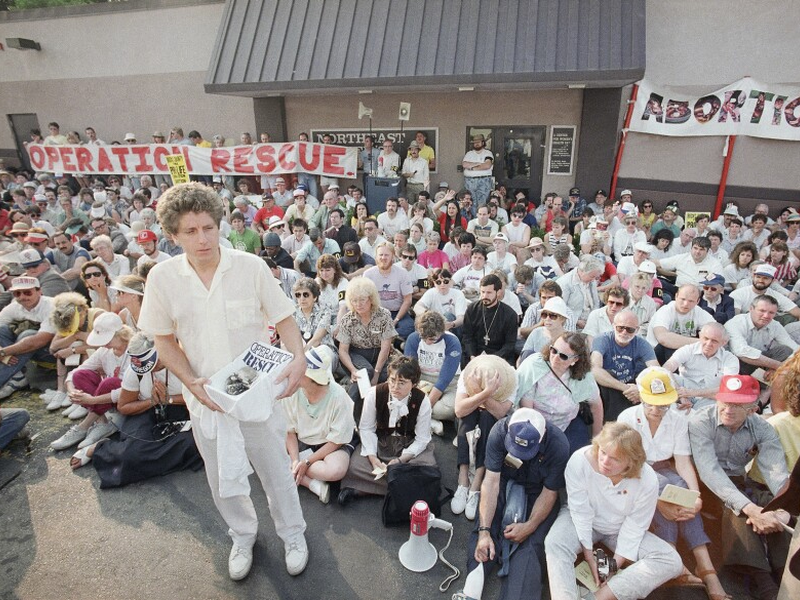
If the debate over Operation Rescue has proven anything, it has proven that there is absolutely no consensus among evangelicals in general, or among "reconstructionists" in particular, about how to use the Bible to judge political actions and movements. Each side of the debate claims biblical authority for its position,…

by Peter LeithartFebruary 13, 1990
49980-nicolas_poussin_-_the_judgment_of_solomon_-_wga18330-800w-tn
Biblical Studies

Advice From a Sojourner, Part 4

Two things I asked of Thee, Do not refuse me before I die: Keep deception and words of falsehood far from me, Give me neither poverty nor riches, Feed me with the food that it my portion, Lest I be full and deny Thee, And say, "Who is the LORD?"…

by James B. JordanFebruary 2, 1990
image-2
Biblical Horizons

Foucault’s Pendulum

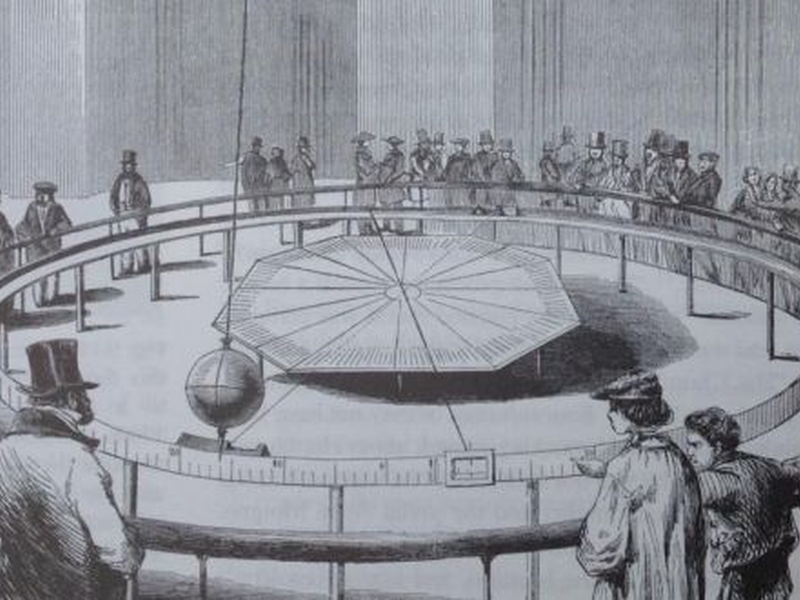
Umberto Eco’s "The Name of the Rose" was certainly one of the best literary works of the past decade, though the film version hardly measured up to it. Now Eco has given us a new novel, "Foucault’s Pendulum." Like Rose, Foucault’s Pendulum reflects on the limitations of human knowledge, and…

by James B. JordanJanuary 26, 1990
tanner-mardis-xuxghzhibn4-unsplash-1-2
Biblical Studies

What Is “Interpretive Maximalism”?

From time to time people ask me about "interpretive maximalism." They want to know what it is, and sometimes want to know if it represents some departure from the Reformed grammatico-historical, Biblico-theological approach to the Bible. I have something of a problem with these questions, because "interpretive maximalism" is not…

by James B. JordanJanuary 26, 1990

Showing page 305 of 309

See all

Showing page 31 of 43

See all
Modernity

Multiple Modernities

“Classic theories of modernization, from the 1950s,” write the editors of Reflections on Multiple Modernities , “identified the core of modernity, of modern social structure, as the decomposition of older ‘closed' formations and . . . of the growing potential for social mobilization, and the concomitant development of new structural,…

May 3, 2016

Signs of the Times

In a 2009 University of Michigan dissertation, Richard Persky explores the cultural meaning of time in ancient Greece, focusing on the concept of kairos . According to Persky, “a kairos is a moment of opportunity, the right time to do some particular thing. The allegorical sculpture made by Lysippos and…

May 2, 2016

Jerusalem's Jasper Walls

Jerusalem descends from heaven a jeweled bride, with the luminosity of a precious stone, a “crystal-clear jasper” (v. 11; hos litho iaspidi krustallizonti ). She is also surrounded by a jasper wall (v. 18). How might the city be related to the wall? The structure of 21:18-22 gives us a…

May 2, 2016

Shakespeare and Chivalry

In the Weekly Standard , Paul Cantor explains that both Shakespeare and Cervantes aimed their writing at a common target: Chivalry. He describes chivalry as “a noble ideal and at its best it did much to refine an otherwise coarse and brutal world, but it rested on shaky foundations and…

May 2, 2016

Liturgy and Charity

Susan Holman ( The Hungry Are Dying ) draws on recent scholarship to argue that “food doles, communal religious feasts, public works, or subsidized public entertainment prior to the Christianization of Graeco-Roman culture did not function out of any concern to alleviate poverty per se.” These “public works” or leitourgia…

April 29, 2016

Bring Us To God

Peter tells us that Jesus was the “just” man who suffered for the sins of the “unjust,” and that the purpose of this suffering was to “bring us to God.” William Dalton ( Christ's Proclamation to the Spirits ) points out that the verb prosago has technical legal meaning in…

April 29, 2016

Showing page 294 of 2212

Browse by Category

In Medias Res

Your weekly digest for all things Theopolis.

Donate

Theopolis is nearly 100% donor-supported. Consider joining us on our mission.