Theopolis Logo

Writing

Explore our collection of theological essays, biblical studies, and reflections on faith and culture.

See all
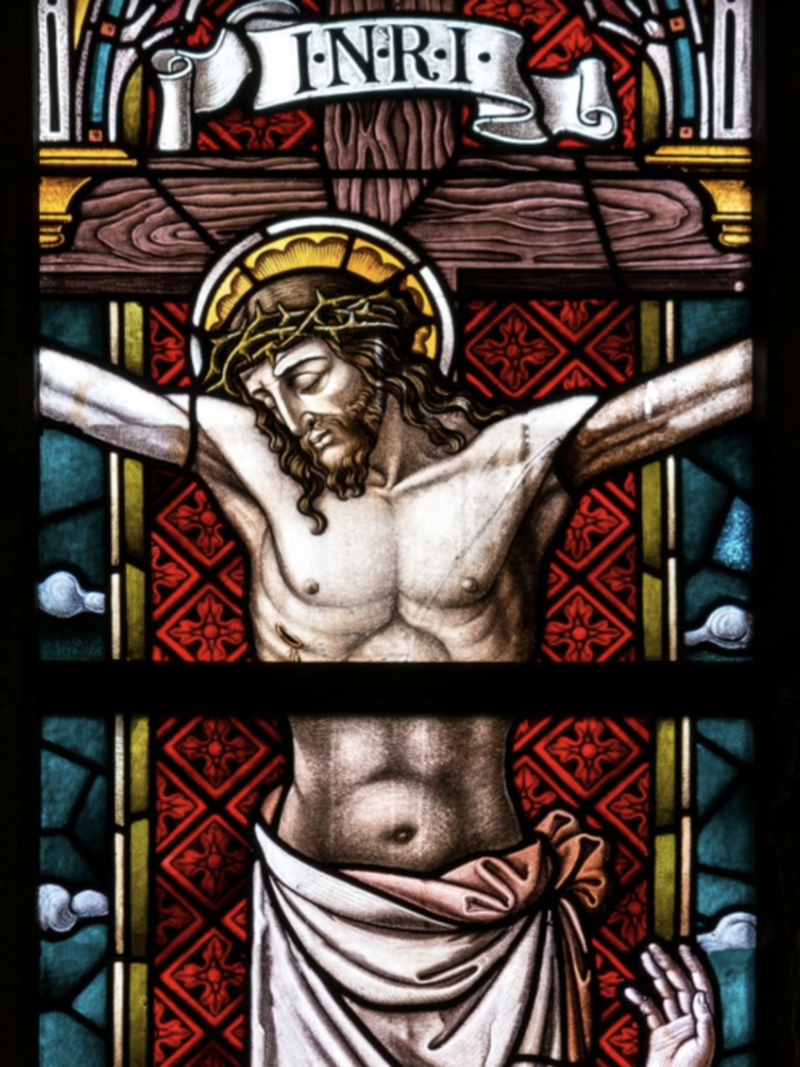
kiwihug-l4gw27xzn1i-unsplash
Hermeneutics

Beginning and New Beginning in Luke

Although the events are, of course, not perfectly parallel, Luke in his gospel intends us to connect Jesus’ birth from the womb and His re-birth from the tomb. Luke 1:27 introduces us to Joseph and in verse 30 we learn that his betrothed wife was named Mary. An angel appeared…

by James B. JordanDecember 28, 1996

screenshot-2023-08-30-at-11-50-23-am
Matthew

A Note on Matthew

The apostle Matthew is also known as Levi son of Alphaeus. While not much is said about this man, the few things that are told us are significant. Matthew in Greek is Matthaios and comes from the Hebrew name Mattithiah, or Mattith-Yah, "Gift of Yah(weh)." Matthew’s other name is Levi,…

by James B. JordanDecember 28, 1996

aaron-burden-qjdzyt_k8xg-unsplash
Biblical Horizons

Twelve Fundamental Avenues of Revelation (Part 1)

Theologians often speak of "special" and "general" revelation, or of "natural" and "supernatural" revelation, or of "word" and "deed" revelation. While there are many worthwhile insights in these discussions, particularly in the discussions in Cornelius Van Til’s Introduction to Systematic Theology , I have not found any that satisfied my…

by James B. JordanDecember 28, 1996

jan-kahanek-g3o5ztrk2e4-unsplash
Ezekiel

Countdown to Exile IV: Ezekiel and the Structure of History

Ezekiel’s 430 Years In Ezekiel 4, the prophet is told to begin his ministry by setting up a model of Jerusalem and lying on his side and prophesying against it. He is to do this for 430 days, a day for a year. 390 days are against "Israel," and 40…

by James B. JordanDecember 28, 1996

img_7664
Biblical Horizons

The Oddness of the Feast of Booths

The Feast of Ingathering in the seventh month of the Sinaitic calendar is also called the Feast of Sukkoth, of Booths, also called Feast of Tabernacles. I have usually called it by that last phrase, and it is the most common today; but there is a problem: A tabernacle is…

by James B. JordanDecember 28, 1996

sixteen-miles-out-ki3hr9t8t7a-unsplash
Ezekiel

Countdown to Exile III: Warnings Against False Hopes

The End of Jehoiakim’s Reign We have seen that Jehoiakim rejected Jeremiah’s prophetic warnings at the beginning of his reign. Let us now make a year-by-year survey of his reign down to its end. In the spring of 605 BC, Nebuchadnezzar defeated the Egyptians at Carchemish. In the summer, he…

by James B. JordanNovember 28, 1996

Showing page 261 of 309

See all

Showing page 31 of 43

See all

Genesis 10 in Early Modernity

As Guy Stroumsa describes it ( A New Science ), comparative religion originates from a combined political and intellectual challenge to European thinkers. First, the wars of religion led some to question the primacy of Christianity and to search for some religious (or non-religious) substitute to serve as civil religion.…

July 11, 2014

The Bieber Effect

Vanessa Grigoriadis writes a lengthy profile of Justin Bieber at Vulture , analyzing along the way our “sadistic” fascination with watching young celebrities lurch their way toward adulthood. Bieber is the name of a legion: Most of today’s biggest pop stars “were teen stars, or at least made money off…

July 11, 2014

Dogmatic Descartes

Pierre Daniel Huet, seventeenth-century bishop of Soissons, was one of the most respected scholars of his time. A historian of religion and apologist, he was also one of the first critics of Descartes. As Thomas Lennon described it in The Plain Truth , one of Huet’s central criticism was that…

July 11, 2014

Where Sin Leads

John distinguishes between different degrees and sorts of sins (1 John 5): There is a sin that leads to death and another sin that does not lead to death. The substance of this distinction doesn’t concern me here, but rather the form. John’s distinction is not a pragmatic one. Sins…

July 11, 2014

Sacrifice for Sacrifice

Eye for eye, tooth for tooth, liturgy for liturgy. Isaiah warns those who forsake Yahweh by preparing sacrificial feasts for Fortune and Destiny (65:11). The judgment for this sacrificial infringement is itself sacrificial. Those who worship Destiny are “destined” (65:12; the Hebrew verb is from manah, also the root of…

July 10, 2014

The Music of the Text

Yahweh will take some of the clusters from Judah to make new wine (Isaiah 65:8-9). Those who seek Yahweh will inherit land (v. 10). But those who forsake him are in danger. Isaiah ends the section with a beautifully constructed set of four contrasting beatitudes and curses (65:13-14). Each verset…

July 10, 2014

Showing page 576 of 2212

Browse by Category

In Medias Res

Your weekly digest for all things Theopolis.

Donate

Theopolis is nearly 100% donor-supported. Consider joining us on our mission.