Theopolis Logo

Writing

Explore our collection of theological essays, biblical studies, and reflections on faith and culture.

See all
308750rgsdl
Biblical Theology

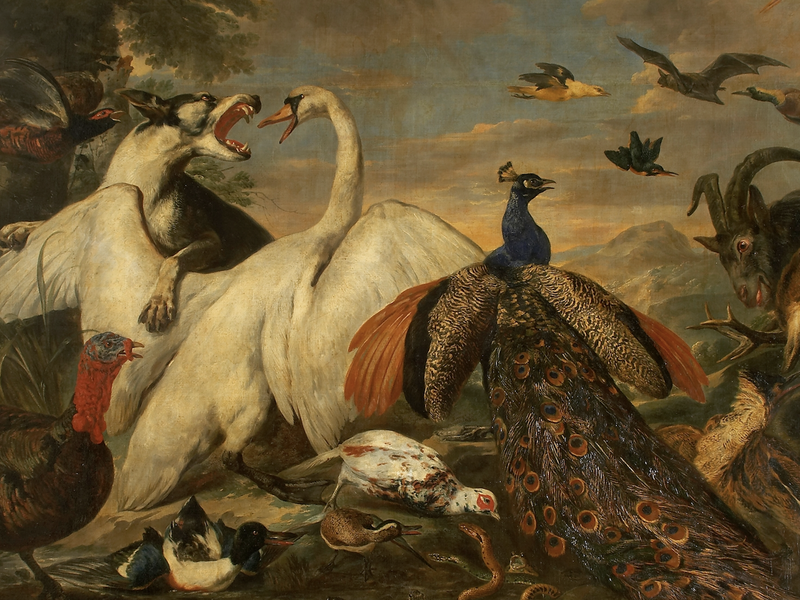
Biblical Bestiary and Covenant Creatures, Part 3: Reunion of Man and Beast in Christ

Abbreviated Introduction to the Series Scripture is absolutely dripping with animal metaphors. Animal traits, characteristics, and appearances are attributed to God, Man, Angels, Nations, Armies. Since animals are the lowest creature in the three-tiered hierarchy, they are useful to metaphorically focus on a single aspect of God (bold like a…

by Jonathan WhiteOctober 27, 2025
screenshot-2025-10-21-at-2-22-31-pm
Matthew

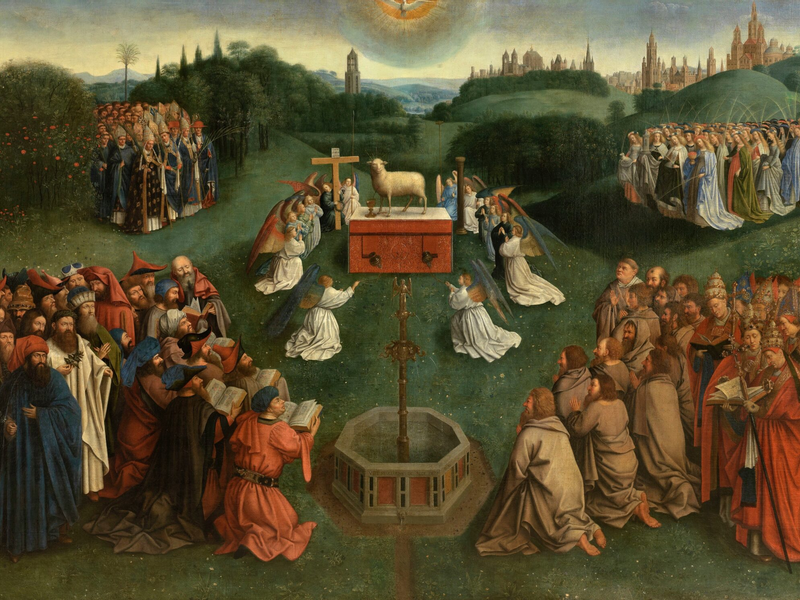
Authority that Heals: Unpacking Matthew 4:18 – 10:4

Many years ago, while perusing Janice Anderson’s revised doctoral dissertation, Matthew’s Narrative Web: Over, and Over, and Over again , I was impressed by her attention to literary structures of repetition within and across Matthew’s Gospel. 1 Her research, in part, nudged me closer toward my present conviction that Matthew…

by Jonathan SedlakOctober 21, 2025
screenshot-2025-10-20-at-4-47-19-pm
Biblical Theology

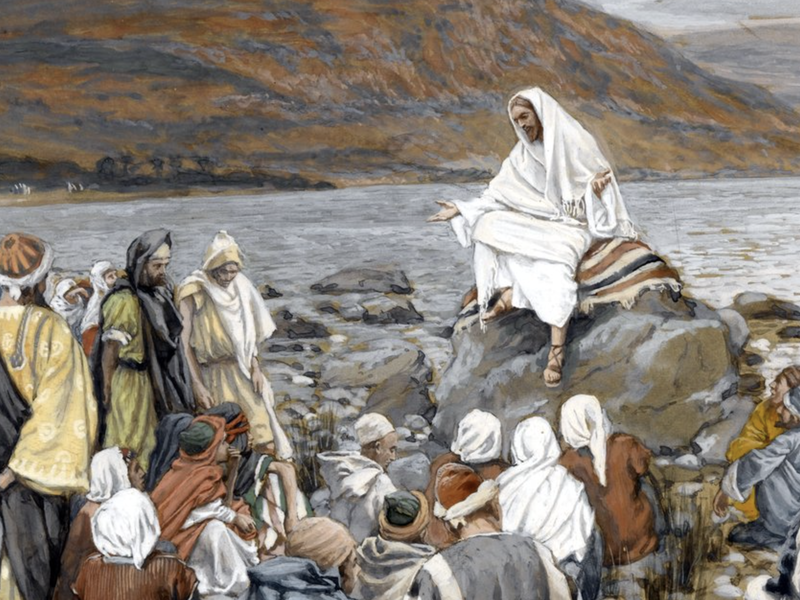
Biblical Bestiary and Covenant Creatures, Part 2: The Animalistic Dehumanization of Sin

Abbreviated Introduction to the Series Scripture is absolutely dripping with animal metaphors. Animal traits, characteristics, and appearances are attributed to God, Man, Angels, Nations, Armies. Since animals are the lowest creature in the three-tiered hierarchy, they are useful to metaphorically focus on a single aspect of God (bold like a…

by Jonathan WhiteOctober 20, 2025
screen-shot-2025-10-14-at-7-34-36-am
Song of Songs

Like a Lily Among Thorns: Hailing the Suffering Christ in Canticles

“Like a lily among the thorns, so is my love among the maidens… My beloved is mine and I am his; he pastures among the lilies.” Song 2:2, 16 In chapter two of the Song of Solomon, the Beloved compares his Love to a lily among thorns. The language of…

by Mark BriansOctober 14, 2025
eric-welch-xuch5jnrfig-unsplash
Biblical Theology

Biblical Bestiary and Covenant Creatures, Part 1: The Shared Spirit of Men and Beasts

Introduction From the very beginning, angels and animals have played mediating roles between God and Man. Just as the World was made three-tiered (Heaven, Earth, Deep), so the creatures were made (Angels, Men, Animals). Before Christ came to build the permanent bridge across the chasm between God and Man, various…

by Jonathan WhiteOctober 13, 2025
getty-images-nim1o1t51qq-unsplash
Matthew

Parables of Land and Sea in Matthew 13

Matthew 13, the third major discourse of the apostle’s gospel, is comprised almost entirely of parables. While it may seem that all the parables serve the same purpose in fulfilling the prophet Isaiah (Matthew 13:14), the parables found in verses 44–52, at the very least, function outside that purpose. This…

by David TownsendOctober 9, 2025
See all

Showing page 33 of 43

See all

Sacrifice and death

It has been customary since the middle ages to define sacrifice in terms of death. To sacrifice is to give something over to destruction. Roy Gane points out in his Cult and Character that this does not conform to the biblical usage. The bread of the presence is described as…

November 15, 2007
Theology

Derrida the theologian

In a 1997 review in First Things, Andrew McKenna suggests that Derrida’s most important contribution might ultimately be to deconstruct philosophy so thoroughly that one is left only with theology: “the Sermon on the Mount performs a critique of difference to which any deconstructor can subscribe. Subject to serious misuses,…

November 15, 2007

Miriam’s leprosy

Jordan’s reflections on “leprosy” help to explain why Miriam, and not Aaron, becomes leprous in Numbers 12. Jordan notes that the term for “plague” used in Leviticus 13 is actually “touch,” and suggests that the leper is “touched” by Yahweh, sometimes in response to sacrilege, a violation of God’s holiness.…

November 15, 2007

Prematurely white

In his stimulating essay on Leviticus 13 (available from Biblical Horizons), Jim Jordan reflects on the fact that a white hair in the flesh makes a man unclean. White hair is associated with glory, and so the uncleanness results from the contradiction between glorification and flesh. The unclean “leper” is…

November 15, 2007
Philosophy

Gift of the Text

Robyn Horner helpfully expounds on Derrida’s deconstruction of the gift by considering whether the text can be construed as a gift. In a section of Given Time , Derrida discusses a text by Baudelaire, noting that it is a given “not only because we are first of all in a…

November 14, 2007

Showing page 1606 of 2212

Browse by Category

In Medias Res

Your weekly digest for all things Theopolis.

Donate

Theopolis is nearly 100% donor-supported. Consider joining us on our mission.