Theopolis Logo

Writing

Explore our collection of theological essays, biblical studies, and reflections on faith and culture.

See all
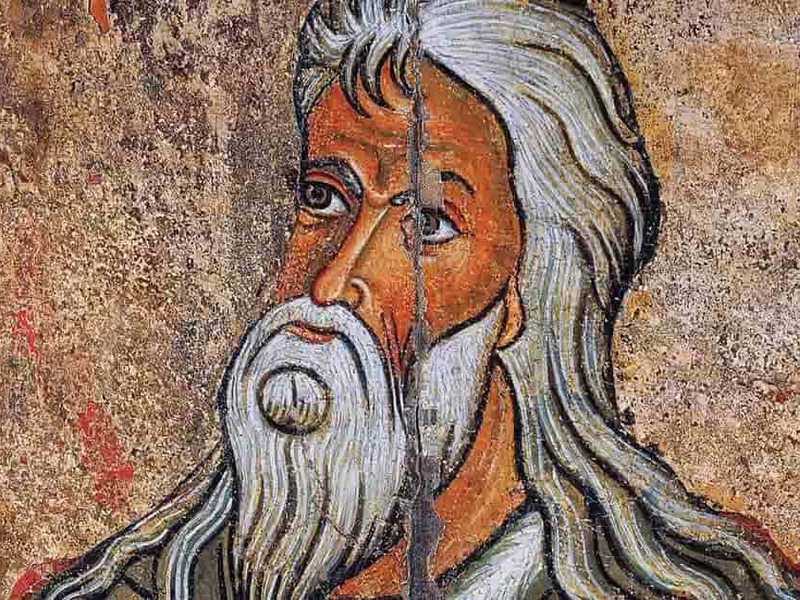
elijah-1200x630-min
Biblical Horizons

Elijah’s Exodus

1 Kings 17, which abruptly introduces Elijah into the history of the northern kingdom, is a carefully constructed literary unit. In its basic structure, it follows a clear exodus-return pattern. Like Jacob and his sons, Elijah was driven out of the land by a famine (vv. 1-4). In exile, Elijah…

by Peter LeithartJune 17, 1992

ales-krivec-4mibe6zg5r0-unsplash
Biblical Studies

All Things New

Now the Pharisees, who were lovers of money, were listening to all these things and they were scoffing at Him. And He said to them, "You are those who justify yourselves in the sight of men, but God knows your hearts; for that which is highly esteemed among men is…

by Mark HorneJune 6, 1992
aaron-burden-h8s0pf2rcqs-unsplash
Biblical Chronology

Chronologies and Kings, Part 11: The Knots of 2 Kings 11-14

In the year 3119, Ahaziah of Judah and Jehoram of Israel were both slain by Jehu as he carried out his God-appointed task of eliminating the seed and house of Ahab (2 Kings 9:13-33). Since the kings of Israel are usually counted as beginning their reign in the same year…

by James B. JordanMay 24, 1992
trnava-university-beeyeib-am8-unsplash
Biblical Studies

Gleanings from Robert Alter’s "Art of Biblical Narrative"

One of the most important developments in Biblical studies in recent years has been a movement of scholars devoted to studying the literary techniques of the Biblical writers. Tremper Longman, III of Westminster Theological Seminary has treated this movement from a Reformed perspective in his Literary Approaches to Biblical Interpretation…

by Peter LeithartMay 17, 1992
ian-schneider-iqbc4vu4ypq-unsplash
Biblical Horizons

Tentmaking

And because [Paul] was of the same trade, he stayed with [Aquila and Priscilla] and they were working; for by trade they were tentmakers (Acts 18:3). The fact that Paul was by trade a tentmaker has usually been taken as the springboard for a discussion of whether pastors should have…

by James B. JordanApril 24, 1992
screen-shot-2022-05-12-at-12-07-23-pm
Biblical Studies

Chronologies and Kings, Part 10: Jehoram of Judah

I pointed out in Chronologies and Kings Part 9 that the years of Judah’s kings are given in chronological fashion. "When we read of a Judahite king’s reign as lasting 4 years, it means that 4 years of the chronology have been given to him, and there is no chronological…

by James B. JordanApril 24, 1992

Showing page 290 of 309

See all

Showing page 33 of 43

See all

Proverbs 12:8-14

INTRODUCTION This section of Proverbs focuses on issues of image, wealth, work, and treatment of employees (vv. 8-12), and ends with two verses that deal again with the use of the tongue (vv. 13-14). The final verses connect this section to the preceding section of this chapter (12:1-7). Thus, the…

January 6, 2006
Literature

Hamlet in Prufrock

The influence of Hamlet, the play and the character, on modern literature is vast. Consider Hamlet as model for Prufrock: Zulfikar Ghose says the “I am not Hamlet” in Eliot’s Prufrock may be literal or ironic, but then adds: “the more one ponders the language of ‘Prufrock’ and of Hamlet…

January 5, 2006
Literature

Pierre

Herman Melville’s Pierre (1852) was, to put it mildly, not warmly received by critics. One newspaper headlined its review with “HERMAN MELVILLE CRAZY” and another reviewer complained that Melville’s fancy was diseased. Critics are divided over whether it is a grand failure or simply a failure. Updike caught the tone…

January 5, 2006

Schleiermacher

Bauman distinguishes between the “legislative” notion of reason found in Kant and other Enlightenment figures and the “interpretive” rationality that characterizes much postmodern thought. The shift from the former to the latter was not accomplished all at once. Schleiermacher, for all importance in the rise of hermeneutics, was still aiming…

January 5, 2006
Philosophy

Foundations and Tribunals

The architectural model of building a structure of thought on “foundations” is among the metaphors employed by modern thinkers, and in this as in other areas there was a close alliance of philosophy and political action. Bauman notes that this was particularly evident in various utopian writers of the modern…

January 5, 2006
History

Postmodern critique, postmodern re-enchantment

“Postmodernity,” writes Zygmunt Bauman in his 1992 Intimations of Postmodernity , “means many different things to many different people. It may mean a building that arrogantly flaunts the ‘orders’ prescribing what fits what and what should be kept strictly out to preserve the functional logic of steel, glass and concrete.…

January 5, 2006

Showing page 1903 of 2212

Browse by Category

In Medias Res

Your weekly digest for all things Theopolis.

Donate

Theopolis is nearly 100% donor-supported. Consider joining us on our mission.