Theopolis Logo

Writing

Explore our collection of theological essays, biblical studies, and reflections on faith and culture.

See all
or
Abortion

Political Hermeneutics: The Argument From Silence, Part 2

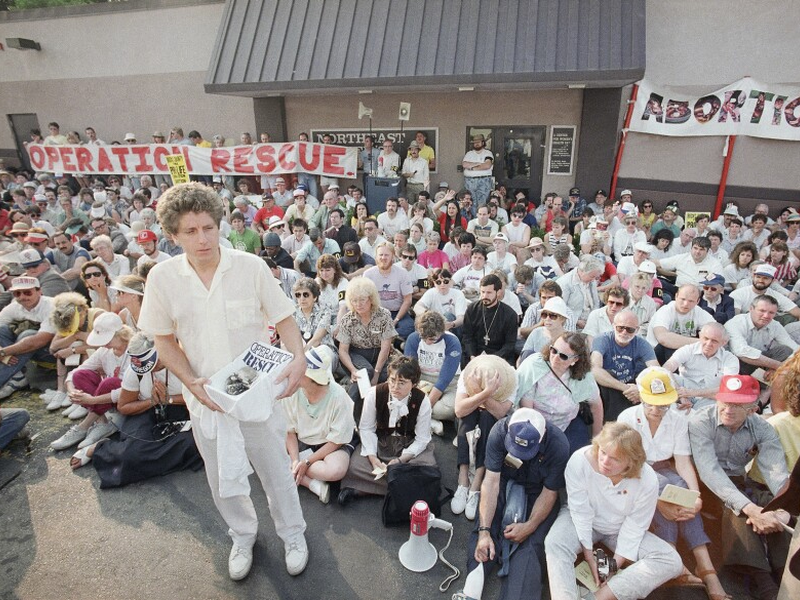
Click HERE for part 1. III This leads to a further question. I have argued that silence cannot by itself establish a Scriptural principle, but does Scripture’s silence carry any weight in itself? Does the fact that something is unbiblical in a weak sense tell us anything at all? In…

by Peter LeithartMarch 13, 1990
hebrew-manuscript-6
Biblical Chronology

Groping Through the Gaps

Although nowadays gap theories are associated with dispensationalism, it was not always so. In the nineteenth century, scholars from a variety of backgrounds (Anglican, Reformed, and proto-fundamentalist) seem to have become fascinated by gaps. If you are not familiar with what I am talking about, this newsletter will acquaint you…

by James B. JordanFebruary 26, 1990
or
Abortion

Political Hermeneutics: The Argument from Silence, Part 1

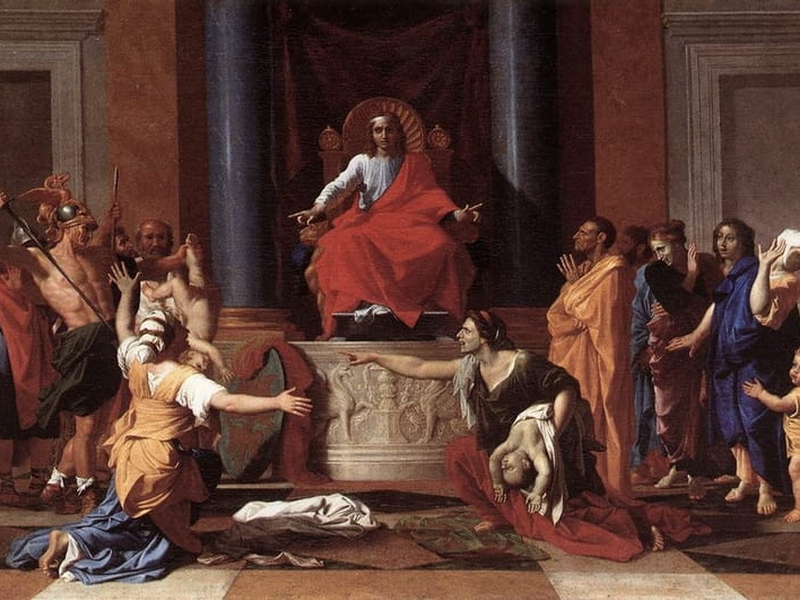
If the debate over Operation Rescue has proven anything, it has proven that there is absolutely no consensus among evangelicals in general, or among "reconstructionists" in particular, about how to use the Bible to judge political actions and movements. Each side of the debate claims biblical authority for its position,…

by Peter LeithartFebruary 13, 1990
49980-nicolas_poussin_-_the_judgment_of_solomon_-_wga18330-800w-tn
Biblical Studies

Advice From a Sojourner, Part 4

Two things I asked of Thee, Do not refuse me before I die: Keep deception and words of falsehood far from me, Give me neither poverty nor riches, Feed me with the food that it my portion, Lest I be full and deny Thee, And say, "Who is the LORD?"…

by James B. JordanFebruary 2, 1990
image-2
Biblical Horizons

Foucault’s Pendulum

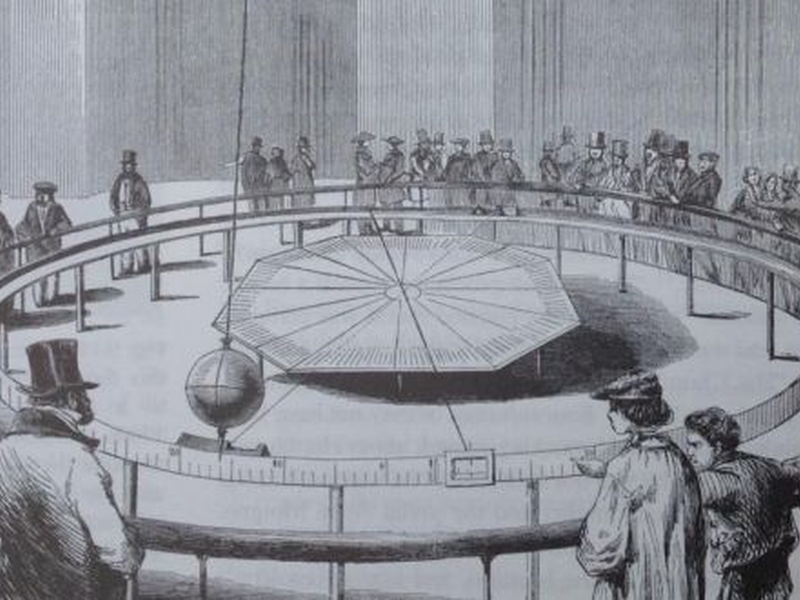
Umberto Eco’s "The Name of the Rose" was certainly one of the best literary works of the past decade, though the film version hardly measured up to it. Now Eco has given us a new novel, "Foucault’s Pendulum." Like Rose, Foucault’s Pendulum reflects on the limitations of human knowledge, and…

by James B. JordanJanuary 26, 1990
tanner-mardis-xuxghzhibn4-unsplash-1-2
Biblical Studies

What Is “Interpretive Maximalism”?

From time to time people ask me about "interpretive maximalism." They want to know what it is, and sometimes want to know if it represents some departure from the Reformed grammatico-historical, Biblico-theological approach to the Bible. I have something of a problem with these questions, because "interpretive maximalism" is not…

by James B. JordanJanuary 26, 1990

Showing page 305 of 309

See all

Showing page 33 of 43

See all

Being and Advent

Stanislas Breton ( A Radical Philosophy of Saint Paul , 56-7) observes that Plato dealt with mythology not be eliminating the gods but by taking their mythical histories as metaphor of the real, “by reading the elevating density of the intelligible in the heaviness of the sensible.” Platonic dualism thus…

November 21, 2014

Predestination, Imperatives, and the Meaning of Being

Stanislas Breton ( A Radical Philosophy of Saint Paul , 59) observes that for Paul “Time [is] the expression or explication . . . of the eternal.” He elaborates by linking predestination with the imperative of creation to sketch out a linguistic/constructivist ontology: “Word and seed correspond to each other…

November 21, 2014

No More Jew or Greek

“Jews ask for signs and Greeks desire wisdom,” says Paul. Most interpretations focus on the objects: Jews are defined by signs, Greeks by wisdom. Stanislas Breton ( A Radical Philosophy of Saint Paul , 143-4) is more interested in the verbs: “We have here a simple typology, limited to an…

November 21, 2014

Exodus to Sabbath

The oath of the strong angel in Revelation 10 knits together two passages. The angel’s oath stance - hand raised - alludes back to Ezekiel 20, where Yahweh reminds Israel of the day He chose them and lifted His hand (Heb. ‘esse ’ yadi ), making Himself known to them…

November 21, 2014

It Is Finished

John records Jesus’ ringing “It is finished” in his crucifixion narrative. But when he gets to Revelation, John records another declaration that things are “finished.” The angel who gives John the book to eat swears that “the mystery of God is finished” (Revelation 10:7). In context, the mystery of God…

November 20, 2014

Unnatural Naturalism

In a NYRB review of an exhibition of Cubism at the Metropolitan Museum of Art, Julian Bell links the early cubist experiments of Georges Braque to the impressionism of Cezanna: “In his artistic researches, Cézanne had been intent to paw at the boundary between his personal visual sensations and the…

November 20, 2014

Showing page 496 of 2212

Browse by Category

In Medias Res

Your weekly digest for all things Theopolis.

Donate

Theopolis is nearly 100% donor-supported. Consider joining us on our mission.