Theopolis Logo

Writing

Explore our collection of theological essays, biblical studies, and reflections on faith and culture.

See all
or
Abortion

Political Hermeneutics: The Argument From Silence, Part 2

Click HERE for part 1. III This leads to a further question. I have argued that silence cannot by itself establish a Scriptural principle, but does Scripture’s silence carry any weight in itself? Does the fact that something is unbiblical in a weak sense tell us anything at all? In…

by Peter LeithartMarch 13, 1990

hebrew-manuscript-6
Biblical Chronology

Groping Through the Gaps

Although nowadays gap theories are associated with dispensationalism, it was not always so. In the nineteenth century, scholars from a variety of backgrounds (Anglican, Reformed, and proto-fundamentalist) seem to have become fascinated by gaps. If you are not familiar with what I am talking about, this newsletter will acquaint you…

by James B. JordanFebruary 26, 1990
or
Abortion

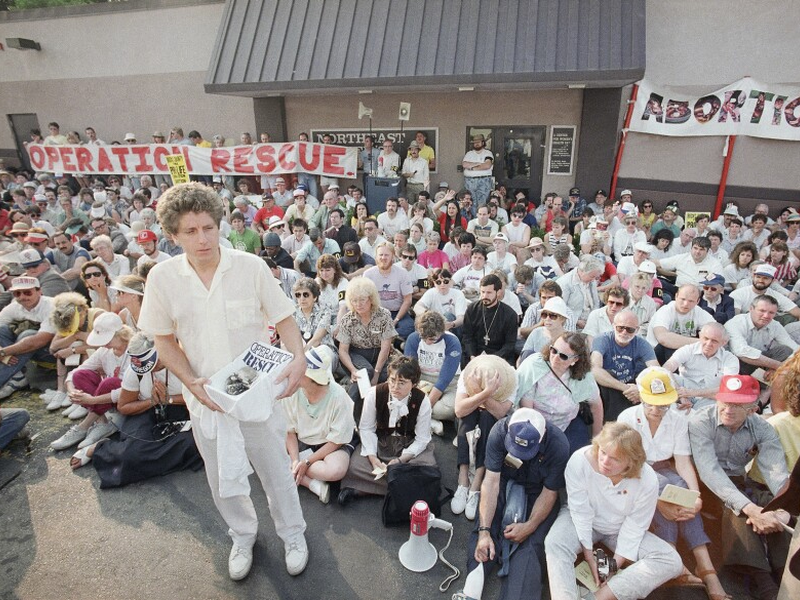
Political Hermeneutics: The Argument from Silence, Part 1

If the debate over Operation Rescue has proven anything, it has proven that there is absolutely no consensus among evangelicals in general, or among "reconstructionists" in particular, about how to use the Bible to judge political actions and movements. Each side of the debate claims biblical authority for its position,…

by Peter LeithartFebruary 13, 1990
49980-nicolas_poussin_-_the_judgment_of_solomon_-_wga18330-800w-tn
Biblical Studies

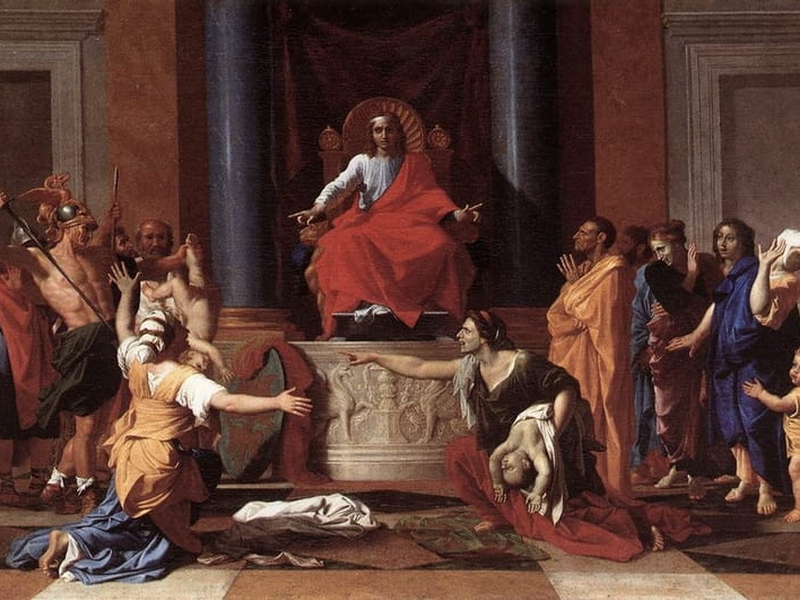
Advice From a Sojourner, Part 4

Two things I asked of Thee, Do not refuse me before I die: Keep deception and words of falsehood far from me, Give me neither poverty nor riches, Feed me with the food that it my portion, Lest I be full and deny Thee, And say, "Who is the LORD?"…

by James B. JordanFebruary 2, 1990
image-2
Biblical Horizons

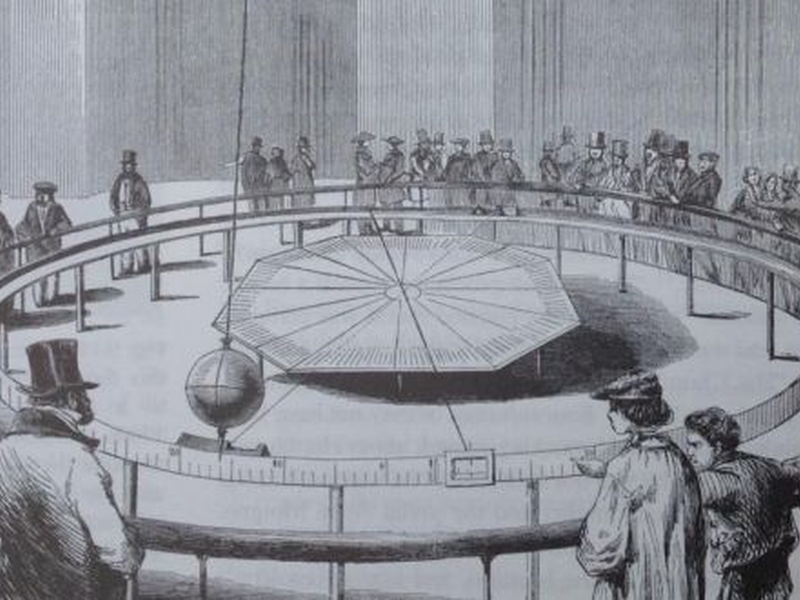
Foucault’s Pendulum

Umberto Eco’s "The Name of the Rose" was certainly one of the best literary works of the past decade, though the film version hardly measured up to it. Now Eco has given us a new novel, "Foucault’s Pendulum." Like Rose, Foucault’s Pendulum reflects on the limitations of human knowledge, and…

by James B. JordanJanuary 26, 1990
tanner-mardis-xuxghzhibn4-unsplash-1-2
Biblical Studies

What Is “Interpretive Maximalism”?

From time to time people ask me about "interpretive maximalism." They want to know what it is, and sometimes want to know if it represents some departure from the Reformed grammatico-historical, Biblico-theological approach to the Bible. I have something of a problem with these questions, because "interpretive maximalism" is not…

by James B. JordanJanuary 26, 1990

Showing page 305 of 309

See all

Showing page 34 of 43

See all

Baptism and personhood

In his recently re-released Bioethics: A Primer for Christians , Gilbert Meilaender discusses baptism to formulate a Christian understanding of the person. Baptism, he points out, is a communal act but also individualizing: “the first thing to note about baptism is that it is a deeply individualizing act. Our parents…

December 21, 2005
Art

Allegory with Venus and Cupid

In his book, Erotic Faith , Robert M. Polhemus offers an intriguing analysis of Bronzino’s Allegory with Venus and Cupid . The allegory suggests that “worship of Venus . . . blinds one to the menace of time and death.” Seeking sexual fulfillment means “betraying self, God, and humankind as…

December 21, 2005
Philosophy

Mirror and Lamp

In his classic study of romanticism and literary theory, The Mirror and the Lamp , MH Abrams points out the crucial change in images of the mind - from the mind as a “mirror” of outside reality to the mind as a “lamp” or a “fountain” that determines what it…

December 21, 2005
History

Consumption v. Culture

Hannah Arendt claimed that “An object is cultural depending on the duration of its permanence: its durable character is opposed to its functional aspect, that aspect which would make it disappear from the phenomenal world through use and wear and tear . . . . Culture finds itself under threat…

December 20, 2005
Literature

Shakespeare and the Law

At the climactic moment of reversal in the court scene in Merchant of Venice , Portia tells Shylock: “This bond doth give thee here no jot of blood.” “Jot” comes to English through the Greek iota , which is linked to the Hebrew YOD through Jesus’ usage in Matthew 5.…

December 20, 2005

Not quite haiku

spectral rime-frosted trees in early morning moonlight cast shadows on the pasture

December 18, 2005

Showing page 1910 of 2212

Browse by Category

In Medias Res

Your weekly digest for all things Theopolis.

Donate

Theopolis is nearly 100% donor-supported. Consider joining us on our mission.