Theopolis Logo

Writing

Explore our collection of theological essays, biblical studies, and reflections on faith and culture.

See all
or
Abortion

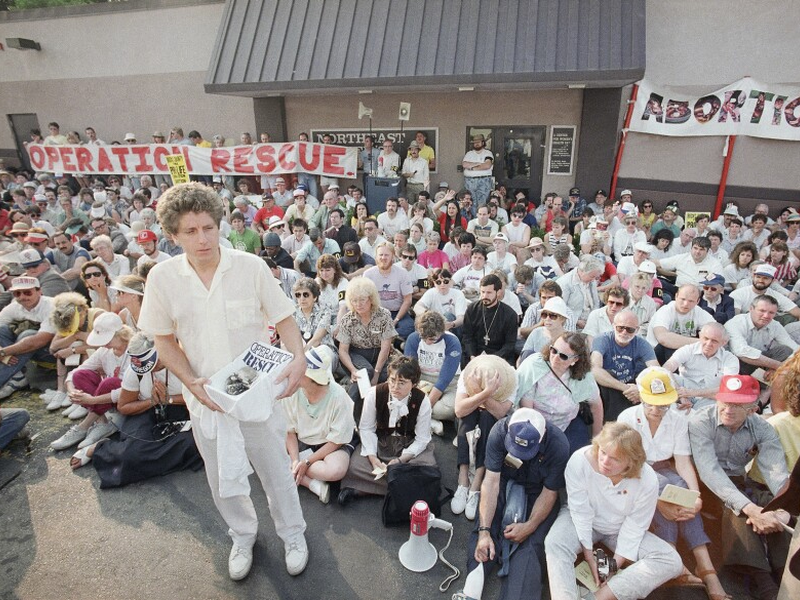
Political Hermeneutics: The Argument From Silence, Part 2

Click HERE for part 1. III This leads to a further question. I have argued that silence cannot by itself establish a Scriptural principle, but does Scripture’s silence carry any weight in itself? Does the fact that something is unbiblical in a weak sense tell us anything at all? In…

by Peter LeithartMarch 13, 1990
hebrew-manuscript-6
Biblical Chronology

Groping Through the Gaps

Although nowadays gap theories are associated with dispensationalism, it was not always so. In the nineteenth century, scholars from a variety of backgrounds (Anglican, Reformed, and proto-fundamentalist) seem to have become fascinated by gaps. If you are not familiar with what I am talking about, this newsletter will acquaint you…

by James B. JordanFebruary 26, 1990
or
Abortion

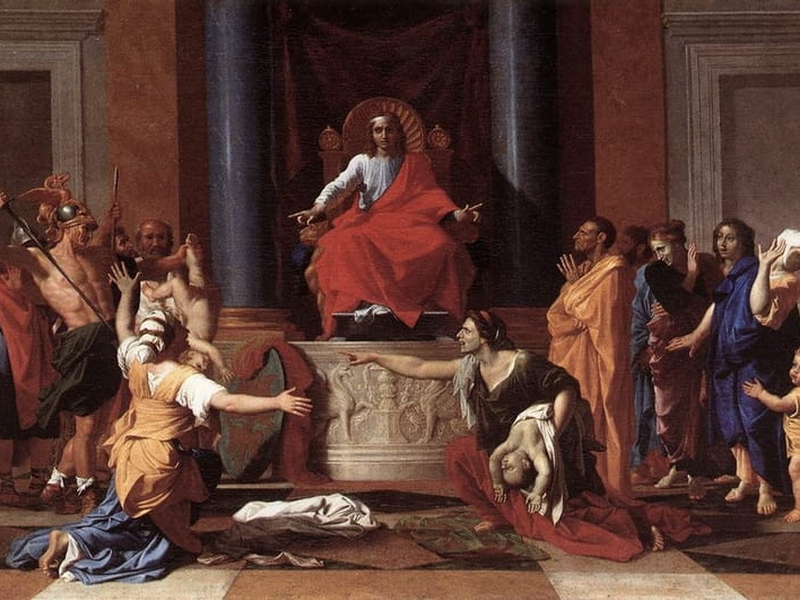
Political Hermeneutics: The Argument from Silence, Part 1

If the debate over Operation Rescue has proven anything, it has proven that there is absolutely no consensus among evangelicals in general, or among "reconstructionists" in particular, about how to use the Bible to judge political actions and movements. Each side of the debate claims biblical authority for its position,…

by Peter LeithartFebruary 13, 1990
49980-nicolas_poussin_-_the_judgment_of_solomon_-_wga18330-800w-tn
Biblical Studies

Advice From a Sojourner, Part 4

Two things I asked of Thee, Do not refuse me before I die: Keep deception and words of falsehood far from me, Give me neither poverty nor riches, Feed me with the food that it my portion, Lest I be full and deny Thee, And say, "Who is the LORD?"…

by James B. JordanFebruary 2, 1990
image-2
Biblical Horizons

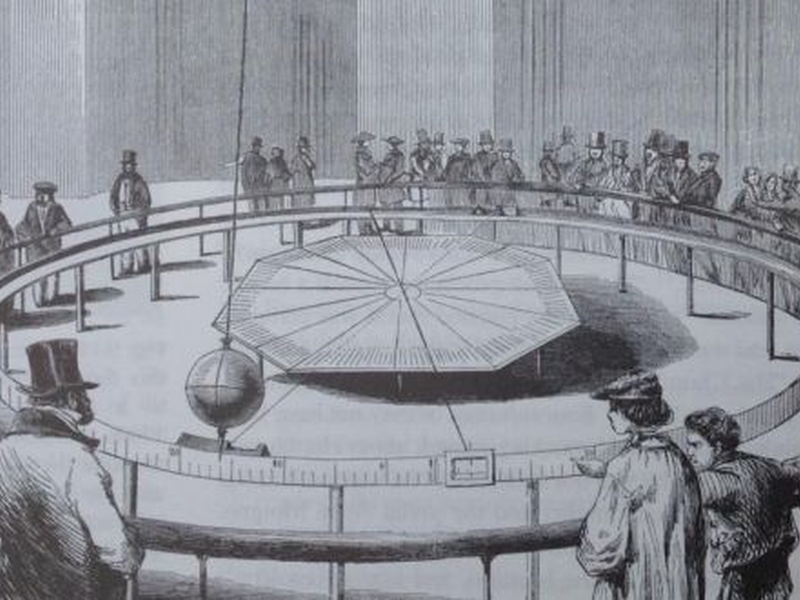
Foucault’s Pendulum

Umberto Eco’s "The Name of the Rose" was certainly one of the best literary works of the past decade, though the film version hardly measured up to it. Now Eco has given us a new novel, "Foucault’s Pendulum." Like Rose, Foucault’s Pendulum reflects on the limitations of human knowledge, and…

by James B. JordanJanuary 26, 1990
tanner-mardis-xuxghzhibn4-unsplash-1-2
Biblical Studies

What Is “Interpretive Maximalism”?

From time to time people ask me about "interpretive maximalism." They want to know what it is, and sometimes want to know if it represents some departure from the Reformed grammatico-historical, Biblico-theological approach to the Bible. I have something of a problem with these questions, because "interpretive maximalism" is not…

by James B. JordanJanuary 26, 1990

Showing page 305 of 309

See all

Showing page 34 of 43

See all

Derived Aseity

Aseity is the property that describes a being’s self-causation. In theology, to speak of divine aseity is to say that God exists in and of Himself. He is not derived from or dependent upon anything else. He is fully Himself in Himself and of Himself. He is a se .…

January 13, 2015

Pure and Holy

Naomi Koltun-Fromm argues ( Hermeneutics of Holiness ) that the concepts of purity and holiness, while normally distinct in the Hebrew Bible, are blurred in some passages where qadash is used in contexts that speak of purity and purification rather than of consecration. In 1 Samuel 21:6, David says that…

January 12, 2015

Holy Seed

Explaining Ezra’s concern about the mixed marriages in the restoration community, Naomi Koltun-Fromm ( Hermeneutics of Holiness ) writes, “Ezra presents Israel not only as holy but as a qodesh in its own right—a freestanding holy thing, a holy seed, a sanctum. As such, it must be protected (or in…

January 12, 2015

Catholic Historiography

In his contribution to Seeing Things Their Way , Richard Muller discusses and commends the recent effort to free church history from denominational apologetics. When the Reformers are viewed in the light of late medieval theology (as in the work of Heiko Oberman), unexpected commonalities appear: “Common ground can be…

January 12, 2015
Death

Die Alone, Live Alone

At the end of Albert Camus’s The Stranger , the narrator is on death row for killing an Arab. Death is familiar to him. It is the “black wind” that has blown through his entire life. For Camus’s Stranger, the inevitability of death makes life indifferent. It does not matter…

January 12, 2015

War of Indefinites

In his recent Zero to One , Peter Thiel sets out a neat typology of philosophy, politics, and cultural attitudes based on differing stances toward the future. He distinguishes optimists and pessimists, and subdivides each into “definite” and “indefinite.” Optimists and pessimists are obvious: One is bullish about the future,…

January 9, 2015

Showing page 478 of 2212

Browse by Category

In Medias Res

Your weekly digest for all things Theopolis.

Donate

Theopolis is nearly 100% donor-supported. Consider joining us on our mission.