Theopolis Logo

Writing

Explore our collection of theological essays, biblical studies, and reflections on faith and culture.

See all
e99a9541
Abortion

To Kill or Not to Kill

It seems to be old news, but I was unaware of it until recently. Australian academics argued that mothers should be allowed to terminate the life of a newborn child. [i] Why would they promote such an idea? Because before the child is born it is not always possible to…

by Ralph Allan SmithSeptember 12, 2019
pascal
Philosophy

Is the Betting Rigged in Pascal's Wager?

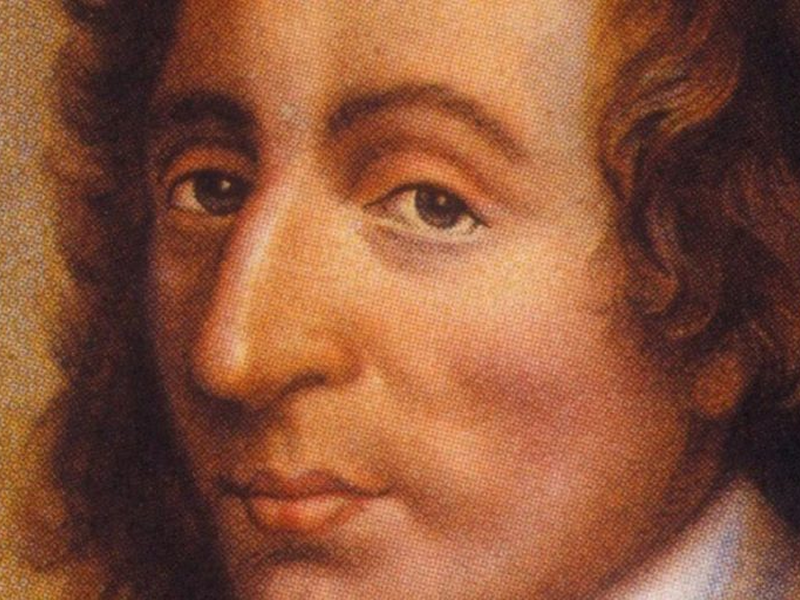
This is the second of two essays introducing Pascal’s Wager. Click HERE for Part 1. In “The Pop Star and the Mathematician” I gave an overview of the apologetic approach commonly called Pascal’s Wager. In that Wager, 17 th -century French mathematician Blaise Pascal argued that the choice between Christian…

by Alexander WhitakerSeptember 10, 2019
pascal
Philosophy

The Mathematician and the Pop Star: A Pascal's Wager Primer

This is the first of two essays aiming to introduce the reader to Pascal’s Wager. The second will address criticisms of the Wager. In the early 1990s, a perennially popular British pop star was interviewed on British television about his very public evangelical Christian faith. “What if,” the reporter asked…

by Alexander WhitakerSeptember 5, 2019
screen-shot-2019-09-03-at-7-00-44-am-2
Matthew

The Secret of the Middle of Matthew

Matthew 13 is about secrets. In this chapter, Jesus teaches eight parables and tells the disciples that they reveal the secrets of the kingdom (13:11). And much like Samson who both tells riddles and is himself a riddle that the reader must solve, so Jesus not only tells secrets but…

by John HigginsSeptember 3, 2019
david-with-goliaths-head-and-soldiers-crop
Biblical Theology

David, Goliath, and the Body of Moses, (Part 2)

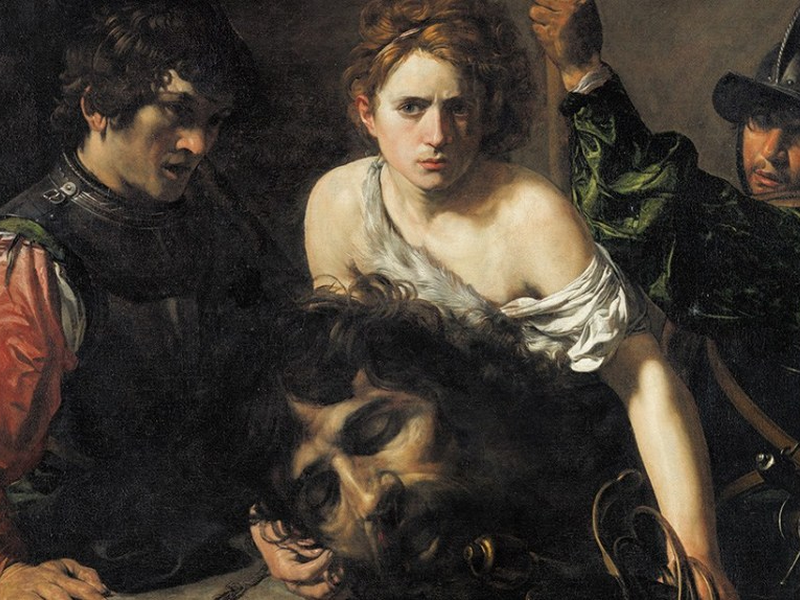
Click HERE for part One. THE TEXT AS TABERNACLE Creation – Initiation – Genesis (1 Samuel 17:1-11) The gathered armies not only remind the reader of Ebal and Gerizim, but also of the very reason that Israel was established (Creation) , set apart from the other nations by the circumcision…

by Mike BullAugust 29, 2019
job
Job

The Man in the Middle

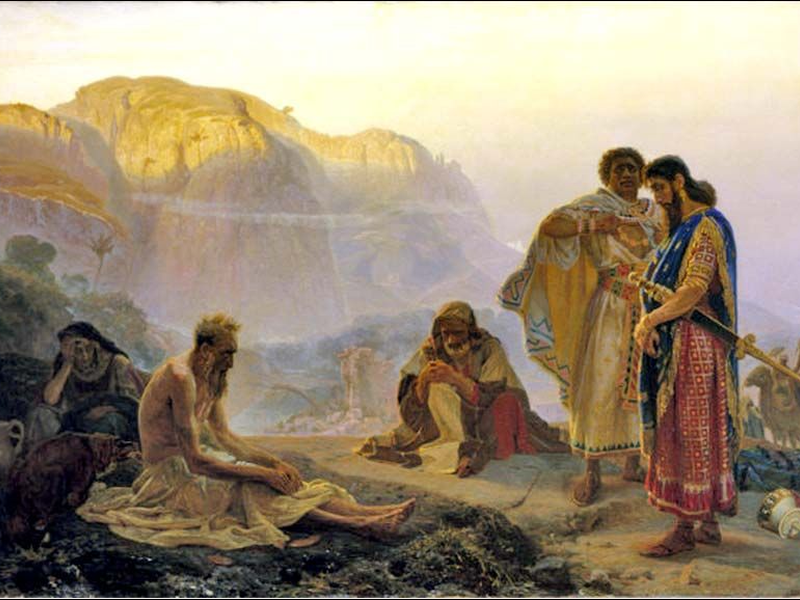
What to do with Job’s Final “Friend,” Elihu Elihu is a strange character, at least in the sense of how and where he appears in the book of Job. Why does he not appear with the other three “friends?” Does his argument differ from any of the first three who…

by Eric RobinsonAugust 27, 2019

Showing page 75 of 309

See all

Showing page 35 of 43

See all
Philosophy

Hamann and Mendelssohn

I fell for it. Hamann begins a brief discussion of the temporality of truth apparently agreeing with Mendelssohn, “I, too, know of no eternal truths except those who are unceasingly temporal.” Stephen Dunning ( Tongues of Men ) explains the dense irony of the statement. Hamann is responding to Mendelssohn’s…

September 27, 2008
Uncategorized

Observation and prophecy

Hamann writes, “The spirit of observation and the spirit of prophecy are the wings of human genius. All that is present belongs to the domain of the former; all that is absent, the past and the future, belongs to the domain of the latter. Philosophical genius expresses its power through…

September 27, 2008
Uncategorized

Words and meanings

Hamann (“Metacritique”) says that “words as undetermined objects of empirical concepts are entitled critical appearances, specters, non-words or unwords, and become determinate objects for the understanding only through their institution and meaning in usage. This meaning and its determination arises, as everyone knows, from the combination of a word-sign, which…

September 27, 2008
Philosophy

Temporality of truth

Hamann agreed with Mendelssohn that there are “no eternal truths save as incessant temporality,” and in this he locates the difference between Judaism and Christianity: “it is solely a matter of temporal truths of history, which occurred once and never come again - of facts which have become true at…

September 27, 2008
History

Prophetic history

Hamann from “Golgotha and Sheblimini”: “the entire range of human events and the whole course of their vicissitudes would be encompassed and divided into subsections just as the starry firmament is divided into figures, without knowing the stars’ number. Hence the entire history of the Jewish people, by the allegory…

September 27, 2008

Multiplied curse

Before God tells creatures to “be fruitful and multiply,” He blesses them. Blessing is a verbal pronouncement that proliferates. But so is curse: “Your sorrows will be multiplied,” Yahweh tells Eve at the gate of the garden, and later wicked people multiply on the earth, long before the righteous do.

September 27, 2008

Showing page 1466 of 2212

Browse by Category

In Medias Res

Your weekly digest for all things Theopolis.

Donate

Theopolis is nearly 100% donor-supported. Consider joining us on our mission.