Theopolis Logo

Writing

Explore our collection of theological essays, biblical studies, and reflections on faith and culture.

See all
tanner-mardis-xuxghzhibn4-unsplash-1-2
Biblical Studies

Tweets-turned-Notes on the Bible’s Chronology

Summary In what follows, I will consider the “year-stamps” employed in Scripture, i.e., statements of the form, “Such-and-such an event took place in the Xth year of Y.” In the process, I will suggest some ways in which the Biblical narrative might relate to events in the extra-Biblical world, though…

by James BejonJuly 16, 2019
durer-prodigal-son-2
Luke

Perspectives on the Prodigal, (Part 2)

In the first essay on the parable of the Prodigal Son, I suggested that the problems commentators and others encounter in interpreting Jesus three-part parable are not accidental. These are not just problems in our ignorance of cultural background. They are intentional features of the stories —stories designed to poke…

by Ralph Allan SmithJuly 11, 2019
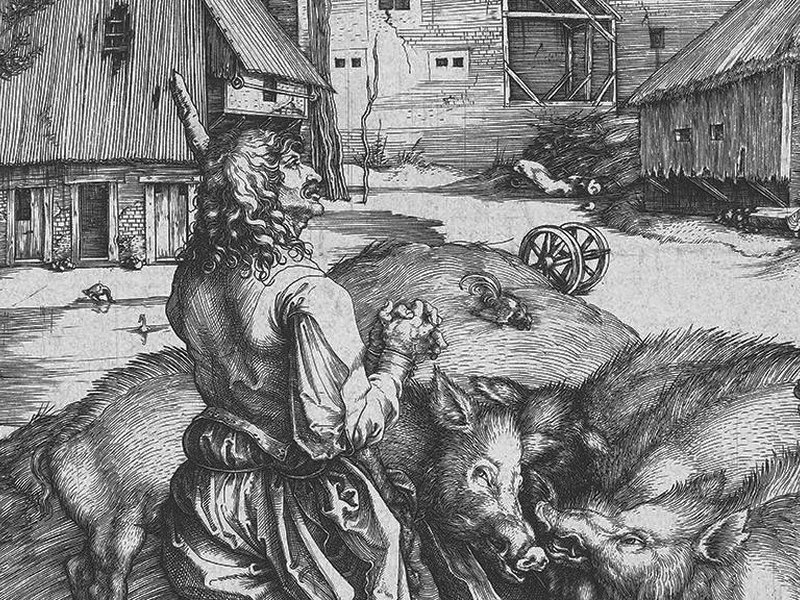
durer-prodigal-son-2
Luke

Perspectives on the Prodigal, (Part 1)

The story of the Prodigal Son is perhaps the most well-known story in the Bible. As others have observed, it may also be one of the most misunderstood. In two short essays, I will point out features of this story that are commonly neglected, aspects of Jesus’ parable that might…

by Ralph Allan SmithJuly 9, 2019
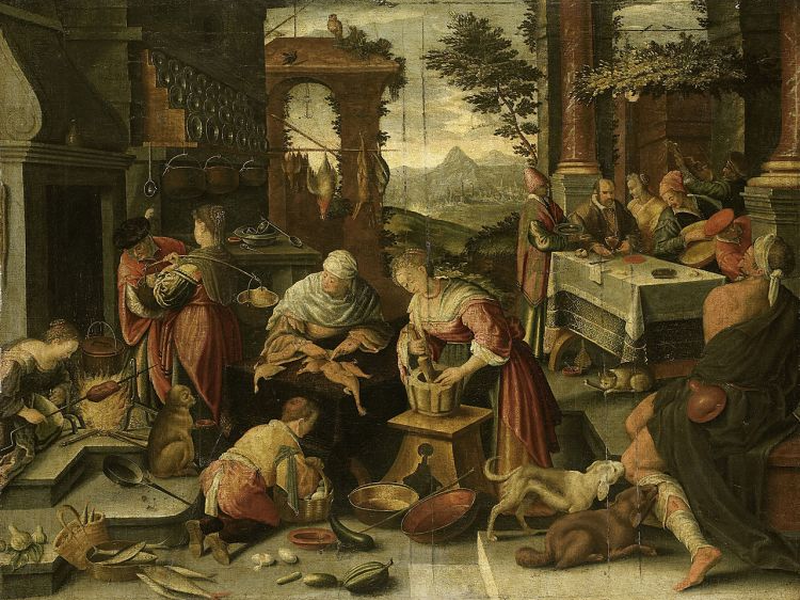
de-rijke-man-en-de-arme-lazarus-by-jacopo-da-ponte-16th-century
Luke

Lazarus and the Rich Man

The parable of Lazarus and the nameless rich man is not an independent story. It is part of a long context that begins in Luke 15:1, where Jesus is eating with tax collectors and sinners and the scribes and Pharisees grumble. In response to their hardheartedness, Jesus tells a three-part…

by Ralph Allan SmithJuly 4, 2019
aaron-burden-uynrnfdkjwg-unsplash
Luke

Everybody has Dropsy - Luke 14:1-24

The Bible is written so that even when a reader cannot pick up on what might be deeper or more detailed aspects of a text, there is virtually always a message to be heard. In the ancient world, where the “reader” of Scripture would likely be a church official facing…

by Ralph Allan SmithJuly 2, 2019
communion
Biblical Theology

Fruit Trees and Grain Plants

The distinction between garden (or vineyard) and field begins in Genesis 2. This relates to the ordering of the formless world. Plants of the field are contrasted with the garden planted by God in Genesis 2:5&8. Later on, under the Old Covenant the Israelites will be required to keep their…

by James B. JordanJune 27, 2019

Showing page 77 of 309

See all

Showing page 35 of 43

See all
Literature

Austen and Prejudice

Austen’s Pride and Prejudice is often interpreted by linking the principal characters with the two flaws of the title. Darcy is “pride” and Elizabeth “prejudice.” This way of reading the book gets at some important themes, but it doesn’t quite get at the crux of the issues raised by the…

March 28, 2007
Literature

Keeping us reading

An old essay by Edd Winfield Parks explores the question of how Austen gets us to move on to the next chapter. She doesn’t, he points out, use cliff-hanger chapter endings, like a John Grisham novel. What keeps us reading? The question becomes more pointed when we notice that Austen…

March 27, 2007
Literature

Jane Austen, Detective

PD James, who knows whereof she speaks, once remarked, “I think if Jane Austen were writing today, she might very well be our greatest mystery novelists.”

March 27, 2007

Sermon notes, Palm Sunday

INTRODUCTION On Palm Sunday, Jesus arrives in Jerusalem as the King, fulfilling the prophecy of Zechariah 9:9-10 (Matthew 21:5; John 12:15). But the gospel writers mention Psalm 118 in this connection as well (Matthew 21:9, 42; Mark 11:9; 12:10; Luke 19:38; 20:17; John 12:13). On Palm Sunday, Jesus is the…

March 26, 2007

Eucharistic exhortation, Fifth Sunday of Lent

Matthew 25:35: I was hungry, and you gave Me something to eat; I was thirsty, and you gave Me something to drink; I was a stranger, and you invited Me in. The gospel is a story of hospitality. Through Jesus’ life, death, and resurrection, God brings us from the outside…

March 25, 2007
Theology

Exhortation, Fifth Sunday of Lent

The family is not a redemptive institution. It is a fallen institution in need of redemption. Through the power of the Word and Spirit, God does redeem families. Through the Spirit, marriages can begin to reflect the marriage of Christ and His church; through the Spirit, the entire life of…

March 25, 2007

Showing page 1702 of 2212

Browse by Category

In Medias Res

Your weekly digest for all things Theopolis.

Donate

Theopolis is nearly 100% donor-supported. Consider joining us on our mission.