Theopolis Logo

Writing

Explore our collection of theological essays, biblical studies, and reflections on faith and culture.

See all
tom-bradley-eoiscqxpmkm-unsplash
Liturgy

The Temple Singers

Who were the company of singers who sang in the Temple built by Solomon? I think many people might answer “the Levitical singers.” That is not correct, because the Levites were not allowed inside the Temple; only the priests were. The Levitical choir and orchestra performed for Yahweh outside the…

by James B. JordanJuly 2, 2015

same-sex-celebrations-2
Homosexuality

After Obergefell - A Pastoral Letter

Dear Congregation, Social media is awash with rants for and against the ruling from the Supreme Court (SCOTUS) yesterday regarding homosexual marriage ( Obergefell v. Hodges ). My contribution on Facebook was simply to quote relevant sections of the dissents written by the four judges in the minority. Even though…

by Jeff MeyersJuly 1, 2015
egyptian-slaves
Biblical Law

Law and Imagination

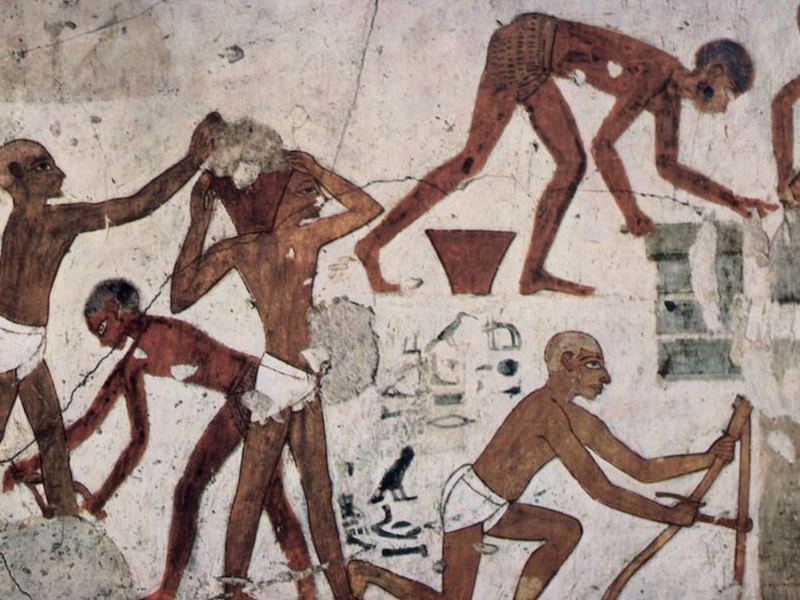
After the Civil War, the hobbled nation and fractured races looked about for leadership; animosity was high and envy was crouching at the door. Booker Taliaferro Washington, up from slavery, surveyed the rising tension and injustice, foreseeing civil unrest and chafing inequalities, eschewed, remarkably, a legislative remedy and advised a…

by Remy WilkinsJune 30, 2015
same-sex-celebration
Homosexuality

They Played the Flute for Me - But I Couldn't Dance

The ruling on Obergefell v. Hodges “came down” on Friday morning, June 26, 2015, like a bolt from Zeus. Many who refuse to bow to the dictates of our Olympians will write trenchant legal, theological, and cultural/political analyses of the court’s ruling. What I’m comfortable contributing to the historical record,…

by Jonathan BarlowJune 29, 2015
stonewall
American Culture

After Obergefell

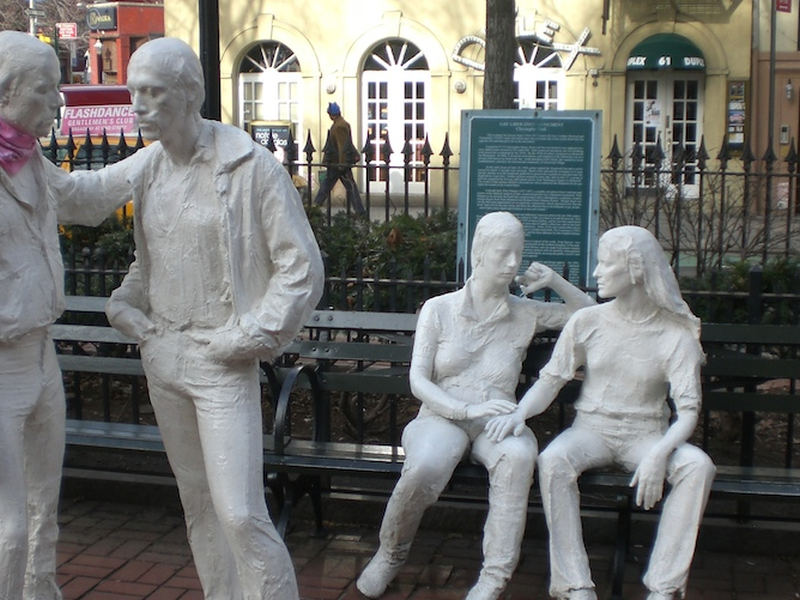
Orthodox Christianity has lost all cultural potency in the U.S. No one defending traditional marriage before the court dared raise the fundamental question: Who creates marriage, God or the state? Theology has no public standing, no persuasive force in the culture at large. Obergefell is another nail in the coffin…

by Peter LeithartJune 27, 2015
photikus-production-mvh_6_yq7uo-unsplash
Poetry

Dust of Snow

One will rarely come upon a classical allusion in a Robert Frost poem. His poetic scheme was to follow the speaking patterns of common folk, to use their words and images to achieve his point. Despite this simplicity, there is a depth and richness to his poetry that can be…

by Remy WilkinsJune 25, 2015

Showing page 150 of 309

See all

Showing page 35 of 43

See all

Necessity of Incarnation

Would the Son have been incarnate if Adam had not sinned? 1 Corinthians 15:44-45 provides a prooftext for an affirmative answer. Verse 44 says that the “spiritual body” is implied by the existence of the “natural body.” Human beings were created in a natural state, but they were destined from…

August 12, 2006
Philosophy

Decentered Self of Modernity

Bishop Joseph Butler of Durham worried about the consequences of Locke’s empiricism: “That personality is not a permanent, but a transcient thing: that it lives and dies, begins and ends continually: that no one can any more remain one and the same person two moments together, than two successive moments…

August 12, 2006
History

Embedded mind

Modernity ignores the social, linguistic, and political context of thought, and the way interest shapes the mind; postmodernity foregrounds all this. Perhaps, but . . . . Descartes said that his travels demonstrates that “all those who hold notions strongly contrary to our own are not for that reason barbarians…

August 12, 2006
History

Self and World

For premoderns - ancients and medievals - there was a homology between the self and the world. Man was seen as microcosm, and, as Seigel puts it, they believed that “the world, like the self, is structured so as to fulfill intelligible moral ends.” The initial shift in early modernity,…

August 12, 2006
Philosophy

Birth of the Modern Self?

Seigel views with “considerable skepticism” the notion that Descartes constructed “a general theory of the human self and subject on the basis of the cogito .” In his treatise on the Passions of the Soul , Descartes claimed that the soul was linked with the body, which acts on the…

August 12, 2006
History

Purity

According to Seigel, “Descartes’s view of reason as most pure and solid when it was free of corruption by the world’s confusions implied nothing less than the attempt to break free of all social and cultural experience.” Not for the first time, I wish there were an anthropological history of…

August 12, 2006

Showing page 1812 of 2212

Browse by Category

In Medias Res

Your weekly digest for all things Theopolis.

Donate

Theopolis is nearly 100% donor-supported. Consider joining us on our mission.