Theopolis Logo

Writing

Explore our collection of theological essays, biblical studies, and reflections on faith and culture.

See all
or
Abortion

Political Hermeneutics: The Argument From Silence, Part 2

Click HERE for part 1. III This leads to a further question. I have argued that silence cannot by itself establish a Scriptural principle, but does Scripture’s silence carry any weight in itself? Does the fact that something is unbiblical in a weak sense tell us anything at all? In…

by Peter LeithartMarch 13, 1990
hebrew-manuscript-6
Biblical Chronology

Groping Through the Gaps

Although nowadays gap theories are associated with dispensationalism, it was not always so. In the nineteenth century, scholars from a variety of backgrounds (Anglican, Reformed, and proto-fundamentalist) seem to have become fascinated by gaps. If you are not familiar with what I am talking about, this newsletter will acquaint you…

by James B. JordanFebruary 26, 1990
or
Abortion

Political Hermeneutics: The Argument from Silence, Part 1

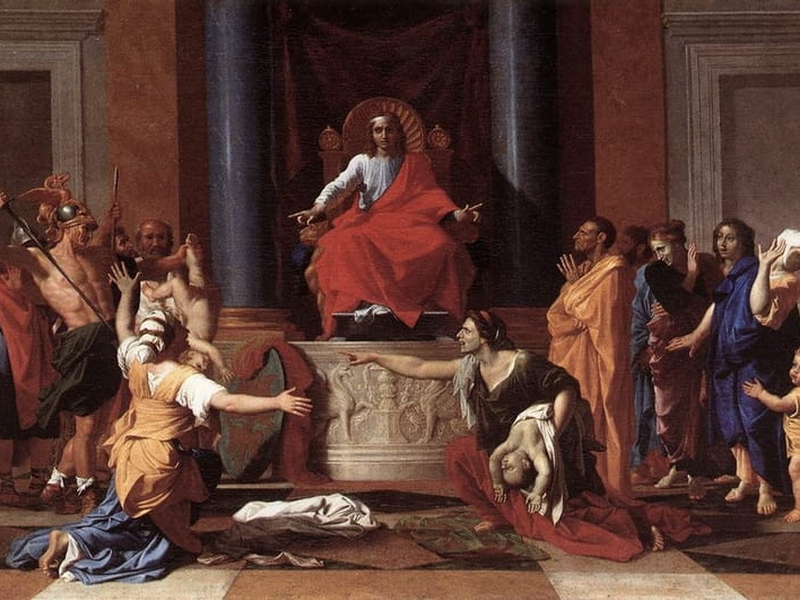
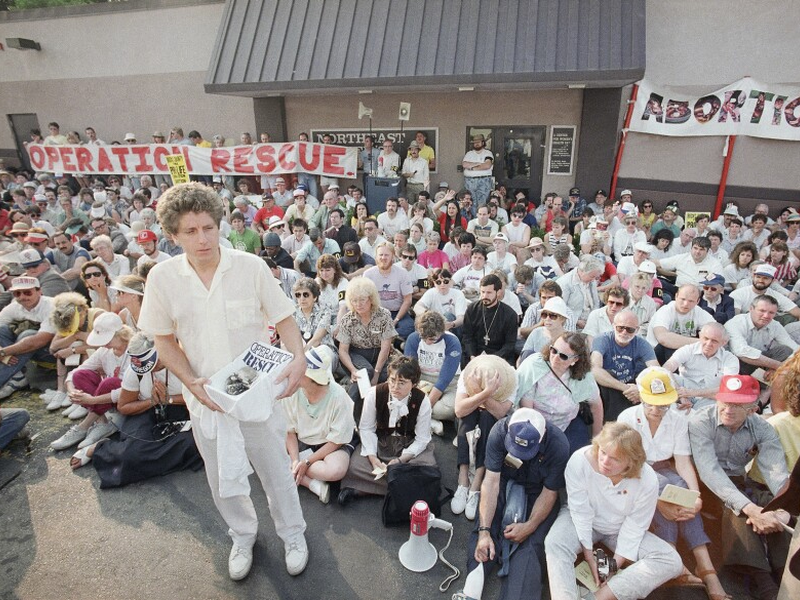
If the debate over Operation Rescue has proven anything, it has proven that there is absolutely no consensus among evangelicals in general, or among "reconstructionists" in particular, about how to use the Bible to judge political actions and movements. Each side of the debate claims biblical authority for its position,…

by Peter LeithartFebruary 13, 1990
49980-nicolas_poussin_-_the_judgment_of_solomon_-_wga18330-800w-tn
Biblical Studies

Advice From a Sojourner, Part 4

Two things I asked of Thee, Do not refuse me before I die: Keep deception and words of falsehood far from me, Give me neither poverty nor riches, Feed me with the food that it my portion, Lest I be full and deny Thee, And say, "Who is the LORD?"…

by James B. JordanFebruary 2, 1990
image-2
Biblical Horizons

Foucault’s Pendulum

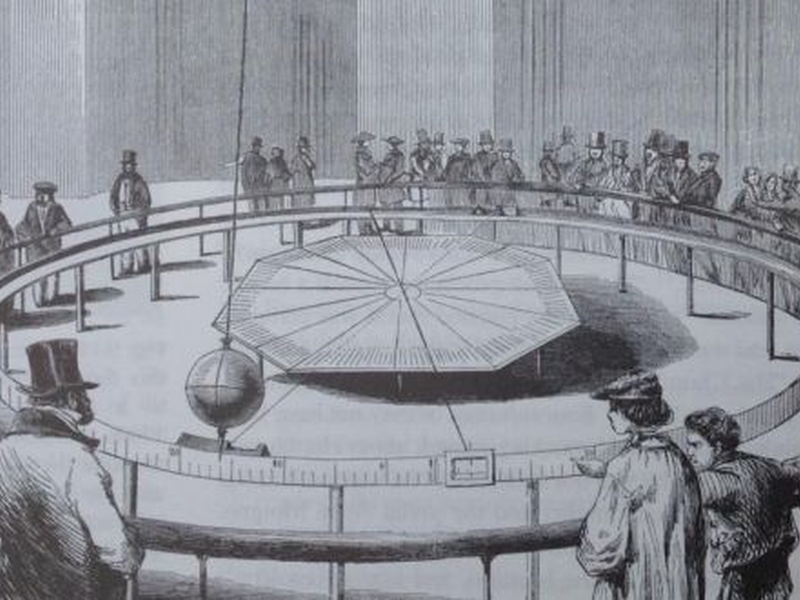
Umberto Eco’s "The Name of the Rose" was certainly one of the best literary works of the past decade, though the film version hardly measured up to it. Now Eco has given us a new novel, "Foucault’s Pendulum." Like Rose, Foucault’s Pendulum reflects on the limitations of human knowledge, and…

by James B. JordanJanuary 26, 1990
tanner-mardis-xuxghzhibn4-unsplash-1-2
Biblical Studies

What Is “Interpretive Maximalism”?

From time to time people ask me about "interpretive maximalism." They want to know what it is, and sometimes want to know if it represents some departure from the Reformed grammatico-historical, Biblico-theological approach to the Bible. I have something of a problem with these questions, because "interpretive maximalism" is not…

by James B. JordanJanuary 26, 1990

Showing page 305 of 309

See all

Showing page 35 of 43

See all
Philosophy

Collapsing Foundationalisms

Wells quotes from British sociologist Anthony Giddens , who argues that postmodernism is not so much a rejection of modern foundationalism as “unmasking what has been hidden in the modern.” In classic Enlightenment foundationalism, reason is self-grounded, and faith in reason is a dogmatic faith. For consistency’s sake, Enlightenment thinkers…

December 23, 2005
Theology

David Wells on Pomo

Like many of David Wells ‘s books, I’ve find his recent Above All Earthly Pow’rs simultaneously bracing, stimulating, and frustrating. Wells examines the consequences of the confluence of two main cultural trends - the postmodern ethos and the increasingly pluralistic religious situation of the West. He makes many good points:…

December 23, 2005

Moses in 1-2 Kings

Moses is mentioned 10 times in Kings, and there are some tantalizing connections with the 10 Words that Moses delivered to Israel. For instance: 1. 1 Kings 2:3: David exhorts Solomon to guard the Lord’s commandments and walk in his ways, using a 7fold description of the law. This is…

December 23, 2005

Homo Creator

In his 1607 treatise, Idea of Painters, Sculptors, and Architects , the painter Federigo Zuccaro claimed that human being was creative being: “Because of His goodness and to show in a small replica the excellence of his divine art, [God] having created man in His image and likeness with respect…

December 22, 2005
History

Augustine and the Renaissance Self

William Bouwsma points out in his book on the “waning of the Renaissance” that the Renaissance challenged what he calls the “traditional conception of the self,” in which reason sits at the top of a hierarchy of discrete faculties, including will, passions, and body. The challenge to this conception during…

December 22, 2005
Theology

Frame on McLaren

John Frame has a typically gracious though critical review of Brian McLaren ‘s Generous Orthodoxy in the current issue of Reformation and Revival Journal. Frame appreciates a number of the concerns that animate McLaren (learning from other Christian traditions, the missional concept of the church, a hermeneutic of love, among…

December 21, 2005

Showing page 1909 of 2212

Browse by Category

In Medias Res

Your weekly digest for all things Theopolis.

Donate

Theopolis is nearly 100% donor-supported. Consider joining us on our mission.