Theopolis Logo

Writing

Explore our collection of theological essays, biblical studies, and reflections on faith and culture.

See all
cloister

Gatekeepers

1 Chronicles 9:1 seems to bring the genealogies of 1 Chronicles to an end. The Chronicler has recorded the genealogy of the human race from Adam, focusing on the descendants of Abraham through Jacob. Summing it all up, he says, “So all Israel was enrolled by genealogies; and behold, they…

by Peter LeithartJune 21, 2016
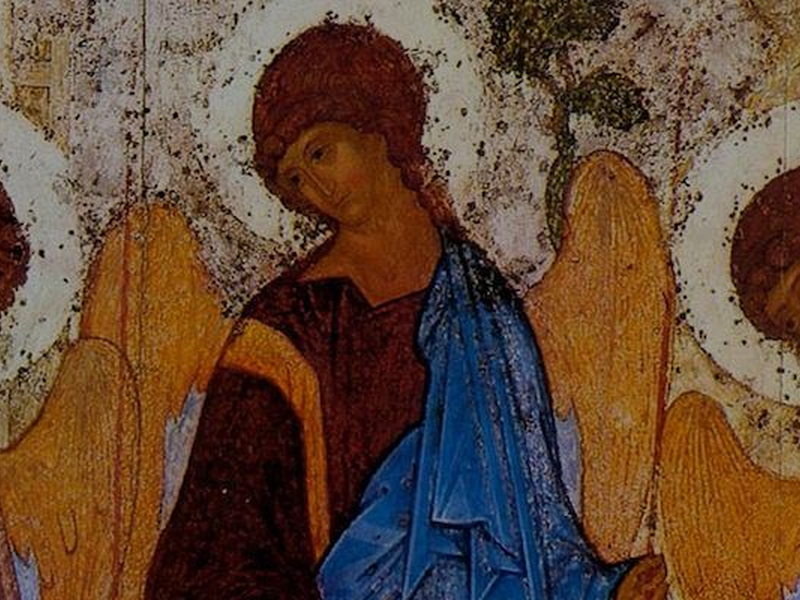
trinity-1-2
Trinity

Are the Divine Persons Persons?

The “personalist” understanding of the Trinity, articulated most influentially in the work of John Zizioulas, has fallen on hard times. Recent scholars have attacked Zizioulas’s idea that Cappadocian Trinitarianism represented an ontological revolution, hammering on the distinction between divine and human personhood. Michel Barnes’s conclusion is the most drastic of…

by Peter LeithartJune 16, 2016
img_4660-2
Architecture

On Biblical Theology

Biblical Theology is often defined as the historical unfolding of God’s revelation, or of God’s revelation and of the history of his covenantal redemption and transformation of humanity and the world. In practice, Biblical Theology is usually broader than this, and also includes the study of literary structure and of…

by James B. JordanJune 14, 2016
laughing_statue_by_xxbobbiie-d5f0meh-2
Humor

Wise Laughter

We are made to be happy. Created to enter into the eternal joy of God, our whole being inclines to that end, but the fallen world has put forth barriers and by our own sin we bar ourselves from that endless delight, and death blinds us to that reality. Yet…

by Remy WilkinsJune 7, 2016
img_7664
Liturgy

Why Theopolis? Take Two

At the end of Revelation, John sees the heavenly city descending to earth. The city shines with the brilliance of God's glory, which lightens the nations, so that kings bring their glory to the city. This is not a vision of the final new heaven and new earth. It's a…

by Peter LeithartJune 2, 2016
trinity-1-2
Attributes of God

How Can We Talk About God?

“No one has ever seen God,” writes John (John 1:18). If this is the case, then how can we speak about God? Some people say we actually cannot. Or at least we cannot speak about God positively, i.e. who He is. We can only say who or what God is…

by Bogumil JarmulakMay 31, 2016

Showing page 130 of 309

See all

Showing page 35 of 43

See all

Spirit As Fragrance

Cyril of Alexandria developed an intriguing conception of the Spirit as the “fragrance” of God. The Spirit is “a living and active fragrance from the substance of God, a fragrance that transmits to the creature that which comes from God and ensures participation in the substance which is above all…

March 4, 2004
Biblical Studies

Patristic Dispensationalism

Among the projects that Julian the Apostate took on was the rebuilding of the temple in Jerusalem. This was intended to deflate Christian apologetics who pointed to the destruction of the temple as a sign of Judaism’s demise and Christianity’s ascendency, both divinely authorized. But there were also Christians who…

March 4, 2004
Literature

Walter Scott

Scott is the romantic’s romantic, and yet his novels display the struggle against romance that is common in early novel-writing ( Don Quixote ; Northanger Abbey ). Edward Waverley , the “hero” of the first of Scott’s novels, goes through various adventures with the Jacobite rebellion led by Bonnie Prince…

March 3, 2004
Economics

Culture and Development

Deepak Lal holds the James S. Coleman Professorship of International Development Studies at UCLA, and has produced a fascinating cross-disciplinary and cross-cultural study of the relation of culture and development, Unintended Consequences (Oxford, 1998). Many of his arguments are unpersuasive, but stimulating nonetheless. One of Lal’s main themes is to…

March 3, 2004
Literature

Deep Tragedy

As I’ve thought more about the issues of comedy and tragedy, it has become clear that Christianity not only brings “deep comedy,” but also produces a deepening of tragic sensibility. In one sense, Christianity is utterly opposed to tragedy and its outlook: the religious world of much tragedy with its…

March 3, 2004

Temple Worship in Ecclesiastes

In Ecclesiastes, Solomon repeatedly exhorts his readers to “eat, drink, and rejoice” as a response to the vaporousness of life” “There is nothing better for a man than to eat and drink and tell himself that his labor is good. This also I have seen, that it is from the…

March 3, 2004

Showing page 2115 of 2212

Browse by Category

In Medias Res

Your weekly digest for all things Theopolis.

Donate

Theopolis is nearly 100% donor-supported. Consider joining us on our mission.