Theopolis Logo

Writing

Explore our collection of theological essays, biblical studies, and reflections on faith and culture.

See all
or
Abortion

Political Hermeneutics: The Argument From Silence, Part 2

Click HERE for part 1. III This leads to a further question. I have argued that silence cannot by itself establish a Scriptural principle, but does Scripture’s silence carry any weight in itself? Does the fact that something is unbiblical in a weak sense tell us anything at all? In…

by Peter LeithartMarch 13, 1990

hebrew-manuscript-6
Biblical Chronology

Groping Through the Gaps

Although nowadays gap theories are associated with dispensationalism, it was not always so. In the nineteenth century, scholars from a variety of backgrounds (Anglican, Reformed, and proto-fundamentalist) seem to have become fascinated by gaps. If you are not familiar with what I am talking about, this newsletter will acquaint you…

by James B. JordanFebruary 26, 1990
or
Abortion

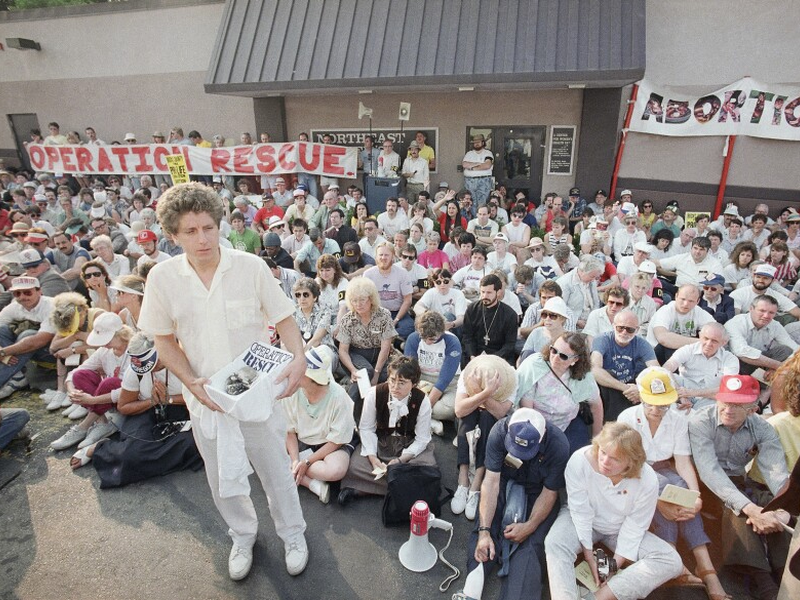
Political Hermeneutics: The Argument from Silence, Part 1

If the debate over Operation Rescue has proven anything, it has proven that there is absolutely no consensus among evangelicals in general, or among "reconstructionists" in particular, about how to use the Bible to judge political actions and movements. Each side of the debate claims biblical authority for its position,…

by Peter LeithartFebruary 13, 1990
49980-nicolas_poussin_-_the_judgment_of_solomon_-_wga18330-800w-tn
Biblical Studies

Advice From a Sojourner, Part 4

Two things I asked of Thee, Do not refuse me before I die: Keep deception and words of falsehood far from me, Give me neither poverty nor riches, Feed me with the food that it my portion, Lest I be full and deny Thee, And say, "Who is the LORD?"…

by James B. JordanFebruary 2, 1990
image-2
Biblical Horizons

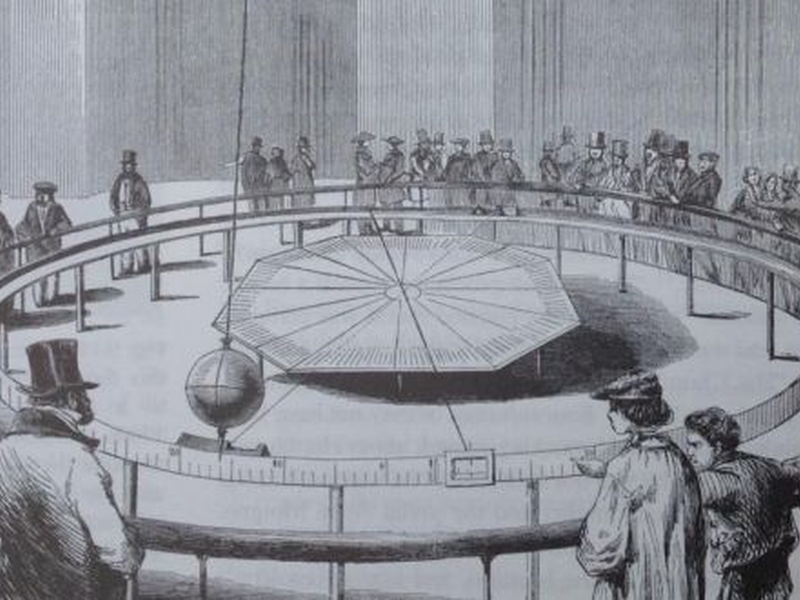
Foucault’s Pendulum

Umberto Eco’s "The Name of the Rose" was certainly one of the best literary works of the past decade, though the film version hardly measured up to it. Now Eco has given us a new novel, "Foucault’s Pendulum." Like Rose, Foucault’s Pendulum reflects on the limitations of human knowledge, and…

by James B. JordanJanuary 26, 1990
tanner-mardis-xuxghzhibn4-unsplash-1-2
Biblical Studies

What Is “Interpretive Maximalism”?

From time to time people ask me about "interpretive maximalism." They want to know what it is, and sometimes want to know if it represents some departure from the Reformed grammatico-historical, Biblico-theological approach to the Bible. I have something of a problem with these questions, because "interpretive maximalism" is not…

by James B. JordanJanuary 26, 1990

Showing page 305 of 309

See all

Showing page 35 of 43

See all

Primal Wound

During the night before Jacob returns from his sojourn with Laban in Haran, a man confronts him and they wrestle (Genesis 32). Jacob refuses to let the man go and the man touches him in the yerekh - usually translated as “socket of his thigh.” He returns to the land,…

June 25, 2015
American Religion

Techno-Ecumenism

Robert Wuthnow points out ( Boundless Faith , 115-6) that improvements in technology enabled leaders to transcend denominational boundaries: “Communication and travel increased the opportunities to organize transnational ministries in new ways, just as philanthropy and fund-raising techniques did. The earlier denominational boards depended on corresponding secretaries to stay in…

June 25, 2015

Confederate Civil Religion

I n an essay in Judgment & Grace in Dixie , Charles Wilson Reagan traces the evolution of Southern civil religion from 1920 to 1980. He argues that over the decades the civil religion of the lost cause “evolved from a public faith celebrating the virtues of a religiously sanctioned…

June 25, 2015

Sacrificing Babylon

The ten horns join with the beast in slaughtering the harlot city Babylon. It's a macabre scene, marked by five relentless verbs - hate, desolate, make naked, eat, burn - and by a bizarre sequence of actions. It's a sacrificial sequence. An ascension offering (Leviticus 1) was prepared for offering…

June 24, 2015
Denominationalism

Denomination—Creed, Organization, Culture

N ancy Ammerman's contribution to Denominationalism is outstanding. She asks what we're studying when we study denominations, and she comes up with three answers: A group of Christian communities defined by a common set of beliefs and practices; an organization; and a cultural profile (evident, for instance, in Episcopalian jokes).…

June 24, 2015
Denominationalism

Fundamentalism and Modernism

Nancy Ammerman briefly examines the “shifting terrain” at the close of her essay in Denominationalism . Choice seems to have taken over the religious landscape, displacing ethnic associations, family and upbringing. Many change denominations during their lifetimes; fewer think it important to marry within their denominations. Congregations function independently of…

June 24, 2015

Showing page 407 of 2212

Browse by Category

In Medias Res

Your weekly digest for all things Theopolis.

Donate

Theopolis is nearly 100% donor-supported. Consider joining us on our mission.