
Theopolis Logo

Writing

Explore our collection of theological essays, biblical studies, and reflections on faith and culture.

See all
robert-collins-tvc5imo5pxk-unsplash
Culture

Play is a Serious Business

“And the streets of the city shall be full of boys and girls playing in its streets,” Zachariah 8:5. 1. Ultimatum game Ultimatum Game is an economic experiment. Its rules are simple: I will give you $100 as long as you give part of that money to the person next…

by Bogumil JarmulakAugust 27, 2020
processed-with-vsco-with-c1-preset
Zechariah

The Nephilim Connection

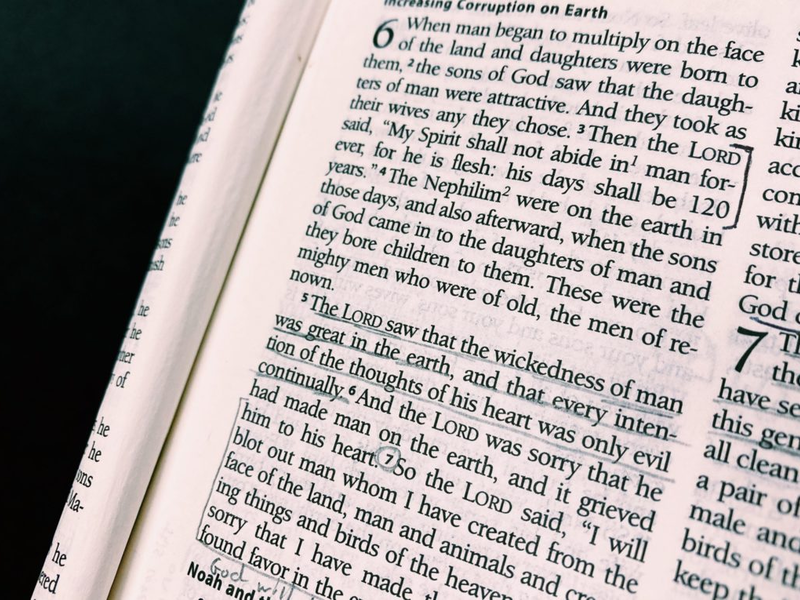
The Nephilim of Genesis 6 has been a topic of great speculation over the centuries. The word appears in Scripture two times, first in Genesis 6 and then in Numbers 13. There have been three major theories regarding the identity of the Nephilim : The Fallen-Angel Procreation Theory: this view…

by Uri BritoAugust 25, 2020
jason-blackeye-ap3lxi0fpjy-unsplash
Matthew

Coming on the Clouds

Jesus on trial was silent before all His accusers, until the high priest said to Him: “I adjure you by the living God, tell us if you are the Christ, the Son of God.” (Matthew 26:63) The high priest commanded Jesus to declare clearly whether or not He was the…

by Ralph Allan SmithAugust 20, 2020
e99a2549
How to Worship

On Covid19, the Nature of Church, and Reopening

Introduction In many ways I have been disheartened—and at times distraught—by how congregations across America have responded to Covid19, not in the first weeks when so much was unknown, but in the months since. I had, like most everyone, originally thought we'd be at home a few weeks, but from…

by Bo GrimesAugust 18, 2020
katsiaryna-endruszkiewicz-el-roodgn3s-unsplash
Ephesians

The Lost Bride

The dust settled as Yahweh clapped his hands together to knock off any remaining clumps of dirt and soil. He had just finished forming from the dust of the ground the crowning glory of his creation. There, lying lifeless upon the newly created earth, was the first image in Yahweh's…

by Kyle LammottAugust 11, 2020
aaron-burden-nbjsrii4x6u-unsplash
Preterism

Judgment, Preterism, and the Psalms

When reading the Psalms Christologically, it is one thing to see the prefigured sufferings of Christ and the subsequent glories. But what do we do with the passages concerning recompense, judgment, or vengeance? Are we to also read these Christologically, or are these vestigial Old Covenant ways of thinking, fit…

by Matthew PikeAugust 4, 2020

Showing page 64 of 309

See all

Showing page 35 of 43

See all

The argument of Romans

Mark Horne continues his studies in Romans at the Trinity House site.

June 17, 2013
American Religion

Founded on founding

Prior to the founding of America, argues Hannah Arendt in On Revolution , political orders were justified and legitimated by appeal to absolutes: “a divinity, not nature but nature’s God, not reason but a divinely informed reason” gave validity to political order and buttressed political power. Over time, the early…

June 16, 2013
Philosophy

Piety and Nihilism

Theory, Nietzsche argued, arises from the will to “correct existence.” Taking his cues from Nietzsche, Lyotard describes the difference between “pious” and “pagan” theorizing. The former is guilty of Nietzsche’s charge: Since Plato, Lyotard argues, philosophers have attempted to formulate a perfect theory of justice or freedom on the grounds…

June 16, 2013

New Frontiers

In their contribution to American Space/American Place: Geographies of the Contemporary United States , John Agnew and Joanne Sharp describe the context and import of Frederick Jackson Turner’s famed “Frontier Thesis.” Turner wrote in the context of the downturn of the 1890s, and his argument was partly about the future…

June 16, 2013
Economics

Papal economics

Michael Miller’s essay in Christian Theology and Market Economics focuses on “Business as a moral enterprise.” In part, he offers a summary of John Paul II’s teaching on economics and business, especially as expressed in the encyclical Centessimus Annus . As one might expect, John Paul puts business into the…

June 13, 2013

Productive Money

In his contribution to Christian Theology and Market Economics , Stephen Grabill reviews the “pre-Enlightenment” history of economic theory. That is to say, scholastic economics. For many economic historians, the notion of a scholastic economic theory is fallacious, and Exhibit #1 is always the scholastic prohibition of usury, grounded in…

June 13, 2013

Showing page 719 of 2212

Browse by Category

In Medias Res

Your weekly digest for all things Theopolis.

Donate

Theopolis is nearly 100% donor-supported. Consider joining us on our mission.