Theopolis Logo

Writing

Explore our collection of theological essays, biblical studies, and reflections on faith and culture.

See all
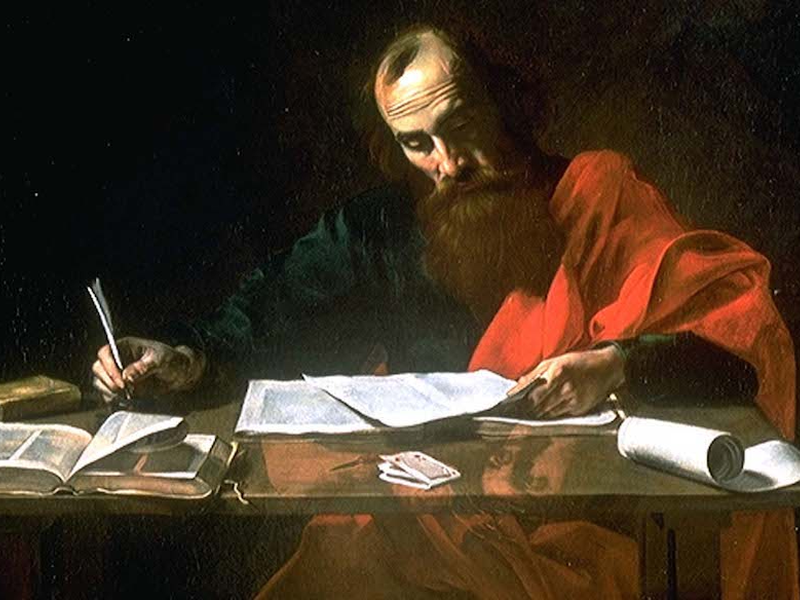
paul-2
Romans

Notes on Scary Stuff in Romans 9

What shall we say then? Is there injustice on God’s part? By no means! For he says to Moses, “I will have mercy on whom I have mercy, and I will have compassion on whom I have compassion.” So then it depends not on human will or exertion, but on…

by Mark HorneFebruary 5, 2015
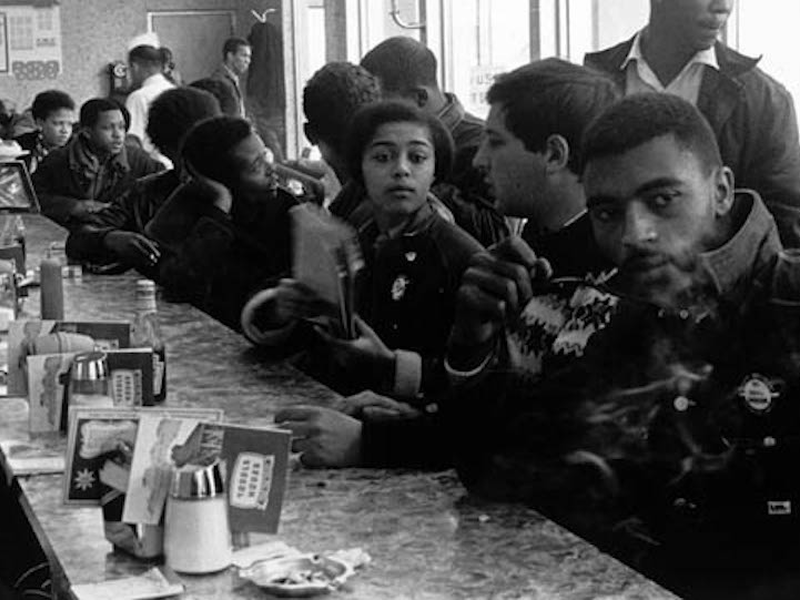
lunch-counter
American Politics

Covenants of Exclusion

A hundred years ago, William Warley signed a contract to buy a house in Louisville, Kentucky from Charles Buchanan, a white man. Before closing the sale, Warley, who was black, learned that the lot was subject to a city ordinance barring blacks from occupying the premises if most of the…

by Brendan O'DonnellFebruary 3, 2015
shakespeare-2
Literature

The Bard and the Book

I concluded the first essay on this topic by saying that I would introduce three books about Shakespeare and the Bible, but I decided to introduce four instead. The three books become four are: Naseeb Shaheen, Biblical References in Shakespeare’s Plays (London: Associated University Presses, 1999) ; Hannibal Hamlin, The…

by Ralph Allan SmithJanuary 29, 2015
augustine-2
Augustine

Augustine on Pagan Virtue

My children attend a classical Christian school, situated in the independent “free church” evangelical tradition. Over the past few years they have been growing in their acquaintance with the world of Homer, Plato, Virgil, and Livy. They enjoy it, and I envy it. The school is a great school. My…

by Gerald HiestandJanuary 27, 2015
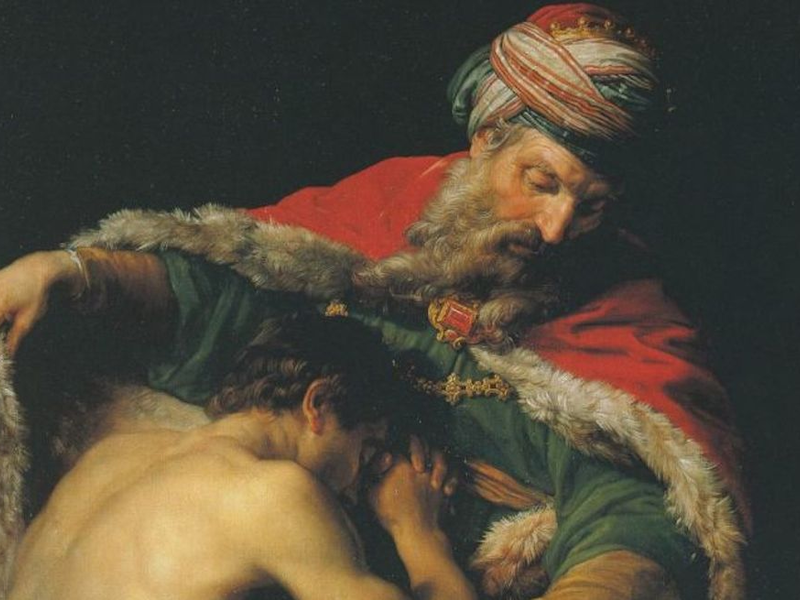
prodigal-son
Atonement

The Prodigal and the Cross

The Prodigal Son parable (Luke 15) has been a favorite of liberal theologians for a couple of centuries. It seems to be a parable designed for liberal sensibilities: An indulgent, accepting Father; forgiveness extended without a cross; a surly older brother who might represent the "conservative" face of religion who…

by Peter LeithartJanuary 22, 2015
sky-from-bridge
Ascension

Underground Man, Ascended Man

“I want now to tell you, gentlemen, whether you care to hear it or not, why I could not even become an insect. I tell you solemnly, that I have many times tried to become an insect. But I was not equal even to that. I swear, gentlemen, that to…

by Richard BledsoeJanuary 20, 2015

Showing page 161 of 309

See all

Showing page 35 of 43

See all
Uncategorized

Civilizing Process

In a 1983 article in Past & Present , Lawrence Stone presented evidence that showed a precipitous drop in the homicide rate in England from the 14th to the 20th century. Why? Stone thinks that Elias’s Civilizing Process had something to do with it: “Yves Castan has shown with great…

March 30, 2013
Uncategorized

Critique of Violence

Critchley ( Philosophy and the Return of Violence: Studies from this Widening Gyre , 64- 8) gives a lucid analysis of Walter Benjamin’s “Critique of Violence” (in Reflections: Essays, Aphorisms, Autobiographical Writings ), organized around Benjamin’s distinctions between law-making and law-preserving violence, between political and the general strike, and between…

March 30, 2013
Uncategorized

Zizek’s dreams

In his essay in Philosophy and the Return of Violence: Studies from this Widening Gyre , Simon Critchley describes Zizek’s Barlebyan politics in Shakespearean terms: “Zizek is, I think, a Slovenian Hamlet.” He “dreams of a divine violence, a cataclysmic, purifying violence of the sovereign ethical deed,” but is left…

March 30, 2013
Politics

Shades of Grey

At the end of his massively documented The Shadow World: Inside the Global Arms Trade , Andrew Feinstein notes the blurring of lines between formal and informal arms markets, the black and the white markets that merge into gray: “While the large defence contractors like BAE and Lockheed Martin -…

March 29, 2013
Uncategorized

Permanent War Economy

Back in 1944, Walter Oakes predicted Marxianly that late capitalism would naturally develop a “permanent war economy.” Defining a war economy as one where “the government’s expenditures for war . . . become a legitimate and significant end-purpose of economic activity.” Capitalism, Oakes claimed, seeks equilibrium that reduces unemployment and…

March 29, 2013
Politics

Not Bees

Some political theorists have thought that we can live like bees - sociable without command, law, speech, punishments. Hobbes demurs ( Hobbes: Leviathan , II.17). And not because we are superior to bees. We can’t live like bees because we are “continually in competition for honour and Dignity” and thus…

March 29, 2013

Showing page 763 of 2212

Browse by Category

In Medias Res

Your weekly digest for all things Theopolis.

Donate

Theopolis is nearly 100% donor-supported. Consider joining us on our mission.