
Theopolis Logo

Writing

Explore our collection of theological essays, biblical studies, and reflections on faith and culture.

See all
robert-collins-tvc5imo5pxk-unsplash
Culture

Play is a Serious Business

“And the streets of the city shall be full of boys and girls playing in its streets,” Zachariah 8:5. 1. Ultimatum game Ultimatum Game is an economic experiment. Its rules are simple: I will give you $100 as long as you give part of that money to the person next…

by Bogumil JarmulakAugust 27, 2020
processed-with-vsco-with-c1-preset
Zechariah

The Nephilim Connection

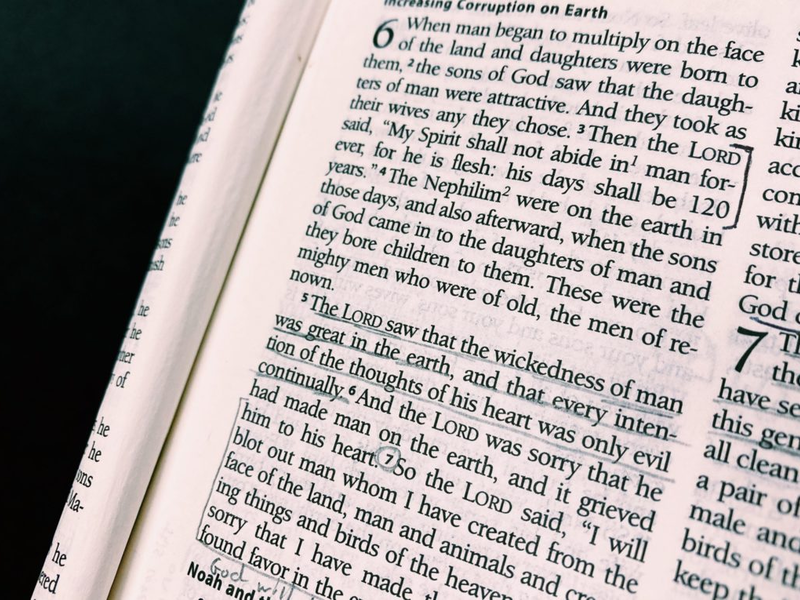
The Nephilim of Genesis 6 has been a topic of great speculation over the centuries. The word appears in Scripture two times, first in Genesis 6 and then in Numbers 13. There have been three major theories regarding the identity of the Nephilim : The Fallen-Angel Procreation Theory: this view…

by Uri BritoAugust 25, 2020
jason-blackeye-ap3lxi0fpjy-unsplash
Matthew

Coming on the Clouds

Jesus on trial was silent before all His accusers, until the high priest said to Him: “I adjure you by the living God, tell us if you are the Christ, the Son of God.” (Matthew 26:63) The high priest commanded Jesus to declare clearly whether or not He was the…

by Ralph Allan SmithAugust 20, 2020
e99a2549
How to Worship

On Covid19, the Nature of Church, and Reopening

Introduction In many ways I have been disheartened—and at times distraught—by how congregations across America have responded to Covid19, not in the first weeks when so much was unknown, but in the months since. I had, like most everyone, originally thought we'd be at home a few weeks, but from…

by Bo GrimesAugust 18, 2020
katsiaryna-endruszkiewicz-el-roodgn3s-unsplash
Ephesians

The Lost Bride

The dust settled as Yahweh clapped his hands together to knock off any remaining clumps of dirt and soil. He had just finished forming from the dust of the ground the crowning glory of his creation. There, lying lifeless upon the newly created earth, was the first image in Yahweh's…

by Kyle LammottAugust 11, 2020
aaron-burden-nbjsrii4x6u-unsplash
Preterism

Judgment, Preterism, and the Psalms

When reading the Psalms Christologically, it is one thing to see the prefigured sufferings of Christ and the subsequent glories. But what do we do with the passages concerning recompense, judgment, or vengeance? Are we to also read these Christologically, or are these vestigial Old Covenant ways of thinking, fit…

by Matthew PikeAugust 4, 2020

Showing page 64 of 309

See all

Showing page 36 of 43

See all
Philosophy

Mirrors, ancient and modern

In her recent book The Mirror of the Self , Shadi Bartsch argues that ancient notions of introspection and self-examination do not employ the image of the mirror in the way we do in post-Cartesian philosophy. In the words of the TLS reviewer, for the ancients “the mirror was the…

June 27, 2007

Enjoyment in God

Wilken summarizes Augustine’s social vision of perfection this way: “This peace for which the city of God yearns is a ‘perfectly ordered and harmonious fellowship in the enjoyment of God,’ a peace of ‘enjoying one another in God.’ Notice that Augustine’s language is social, not individualistic. He does not say,…

June 26, 2007

Ecclesiology of perfection

When Plato thought about politics, he thought about an ideal city (at least in the Republic ). Not Augustine. Augustine recognized that Plato had portrayed “what kind of city ought there to be.” But Augustine was after something different. He presented an actual human society, a city of God in…

June 26, 2007
Theology

Empty minds

Aquinas wrote: “If the teacher determines the question by appeal to authorities only, the student will be convinced that the thing is so, but will have acquired no knowledge or understanding, and he will go away with an empty mind.”

June 26, 2007

Cyril and the Bible

In his wonderful book, The Spirit of Early Christian Thought , Robert Louis Wilken criticizes the Formula of Chalcedon as “formulaic and abstract,” which described Jesus as “one person,” but “seemed to divide Christ into a divine nature that, for example, healed the sick and raised the dead and a…

June 26, 2007
History

No heavenly good

Alcinous, a pagan philosopher of the second century AD claimed that God is “eternal, ineffable, self-sufficient, without need . . . and perfect in every respect.” The only way to know such a God was to ascend from earthly things to higher realities: “First one contemplates the beauty found in…

June 26, 2007

Showing page 1663 of 2212

Browse by Category

In Medias Res

Your weekly digest for all things Theopolis.

Donate

Theopolis is nearly 100% donor-supported. Consider joining us on our mission.