Theopolis Logo

Writing

Explore our collection of theological essays, biblical studies, and reflections on faith and culture.

See all
johann-siemens-epy0gbjzzzu-unsplash
Apologetics

A Sabbath Conversation: How Old is the Earth?

As Adam and Eve walked to the center of the Garden of Eden to meet with the LORD on their first Sabbath they conversed about the origin and age of the earth. Adam: You know, honey, we spent a lot of time yesterday making preparations for our house, and we…

by Jeff MeyersOctober 3, 1997
img_1043
Biblical Horizons

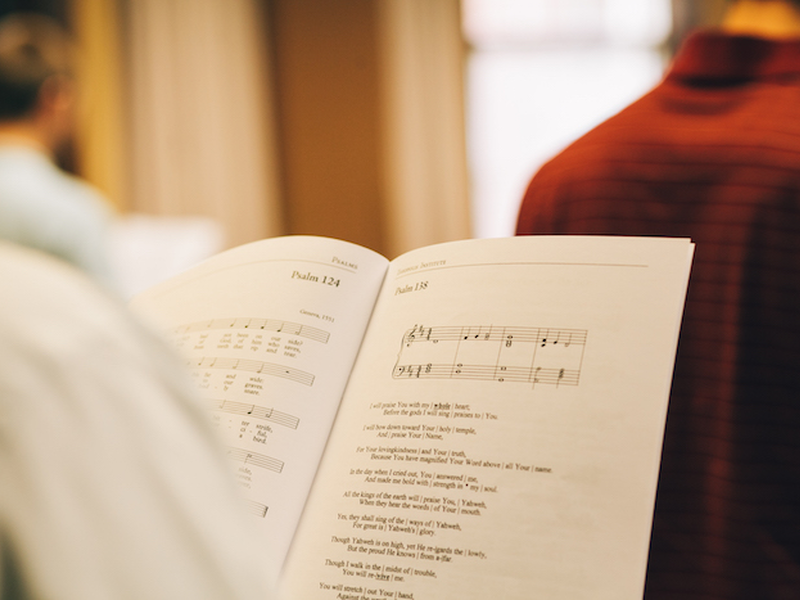
Psalms for Exile: The Narrative Progression in the Fifth Book of the Psalter

Some of our forefathers believed in reading/singing the psalms in order. Today, when the psalms are even used at all, they tend to be used randomly, though sometimes tied to a church calendar or to the pastor’s sermon. The Bible does not bind us to any particular practice, but there…

by James B. JordanSeptember 4, 1997
jordan-wozniak-xp_agmeea6s-unsplash-2
Biblical Chronology

The Anthropomorphic Days of C. John Collins, Part 2

Dr. Collins begins his essay with a brief statement of the Day Age view and then a brief statement of the Six Day view, focussing on the challenge to that view posed by modern "science." He ends this discussion by writing: "Two crucial points are at stake here: first, the…

by James B. JordanSeptember 4, 1997
john-salzarulo-wtjrpjzabcq-unsplash
Biblical Horizons

Paperweights and the Puzzles of Secularism

In his The Construction of Social Reality , Berkeley philosopher John Searle puzzles over the ontology of the products of human construction. Certain things – granite, platypi, weeping willows – occur naturally; while other realities – stone walls, zoos and parks, Chase Manhattan Bank – exist only as products of…

by Peter LeithartAugust 27, 1997
ales-krivec-4mibe6zg5r0-unsplash
Biblical Chronology

The Anthropomorphic Days of C. John Collins, Part 1

In the journal Presbyterion 20 (1994):109-130, published by Covenant Theological Seminary, Dr. C. John Collins sets forth a revision of the Day Age approach in his essay, "How Old Is the Earth? Anthropomorphic Days in Genesis 1:1–2:3." Dr. Collins’s essay has been widely accepted in evangelical Presbyterian circles as an…

by James B. JordanAugust 4, 1997
screenshot-2023-09-04-at-10-37-01-am
Biblical Horizons

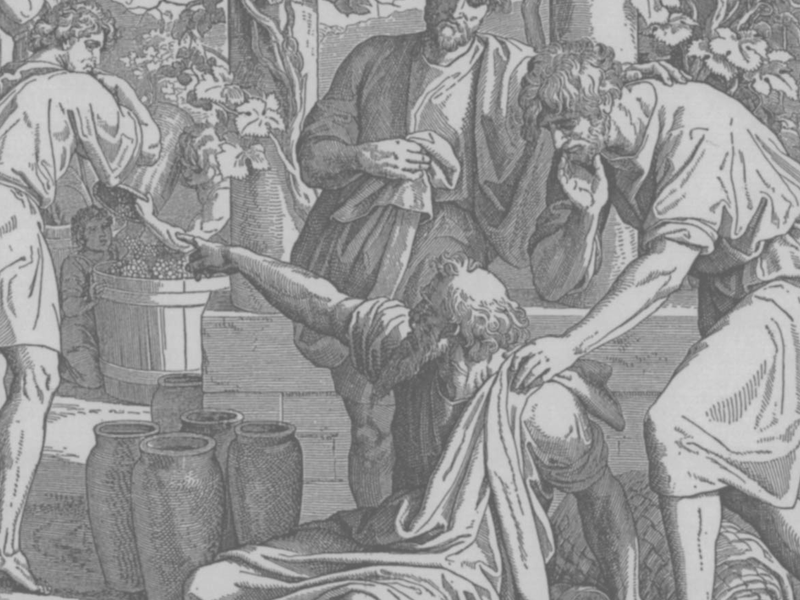
The Sin of Ham and the Curse of Canaan, Part 3 (An Exposition of Genesis 9:20-27)

The Righteousness of Shem and Japheth As noted above, the action of Shem and Japheth was purely symbolic. They did not need to cover Noah with a garment, for he was already covered by the tent. Their action was a symbolic affirmation of Noah’s authority, a symbolic rejection of Ham’s…

by James B. JordanAugust 4, 1997

Showing page 254 of 309

See all

Showing page 37 of 43

See all
Economics

Consumerism

Consumerism is a popular category of analysis, but what exactly does it mean? How is consumerism or the consumer society different from anything else? Haven’t every economies had producers and consumers? In his The Romantic Ethic and the Spirit of Modern Consumerism , Colin Campbell offers this description of consumerism:…

February 23, 2006
History

Aesthetic proletariat

Bohemians, Featherstone suggests, were the first “true artistic proletariat,” living next to lower class people in low-rent areas of the larger cities, and imitating the lifestyle of the lower classes: “They cultivated similar manners, valuing spontaneity, an anti-systematic work ethos, and a lack of attention to the sense of ordered…

February 23, 2006
History

Aestheticization of life

Featherstone isolates three aspects of the postmodern aestheticization of daily life: 1) Artistic movements such as Dada and Surrealism attempt to break down the boundary between art and daily life by turning toilets and such into art objects. This is both an attempt to “dissemble [art’s] sacred halo and challenge…

February 23, 2006
Literature

Theater of the Absurd

In a lecture on Tom Stoppard’s Rosencrantz and Guildenstern are Dead, Ian Johnston makes this helpful distinction between existentialist drama and the Theater of the Absurd. “In the Theatre of the Absurd the protagonists are discovered in a world which they do not, indeed they cannot, understand. It has no…

February 23, 2006
History

Postmodern mathesis

Modernity attempts to spatialize time, and to chart temporally shifting reality in a fixed mathesis. So argues Catherine Pickstock at least. But in this sense postmodernism is hypermodernism. Featherstone notes that MTV “seems to exist in a timeless present with video artists ransacking film genres and art movements from different…

February 23, 2006
History

Turn of the Century Bobos

Mike Featherstone, expounding on the “aestheticitization of everyday life” that he claims is characteristic of the postmodern ethos, notes that similar motifs are evident in the early development of the fashion industry: “The intensified place of fashion increases our time-consciousness, and our simultaneous pleasure in newness and oldness gives us…

February 23, 2006

Showing page 1879 of 2212

Browse by Category

In Medias Res

Your weekly digest for all things Theopolis.

Donate

Theopolis is nearly 100% donor-supported. Consider joining us on our mission.