Theopolis Logo

Writing

Explore our collection of theological essays, biblical studies, and reflections on faith and culture.

See all
31-03-0213
Hermeneutics

Apocalyptic Eyes

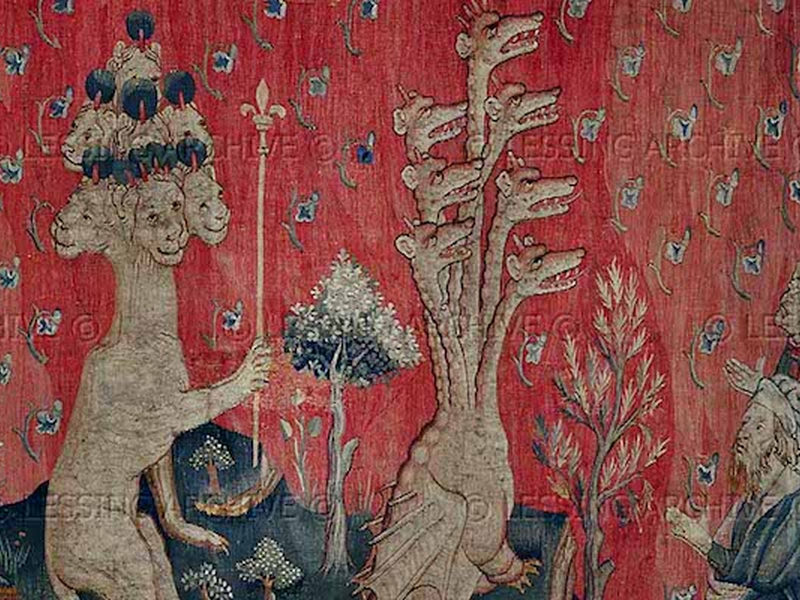
Flying scrolls. Red horses. Beasts coming out of the sea. Winged women. The list goes on. Apocalyptic literature in the Bible is like a cross between science fiction and Marvel comics. And the Bible has a fair bit of this sort of thing. Daniel sees visions in Babylon, Zechariah sees…

by Toby SumpterNovember 4, 2014

bhm-skyline-2
Theopolis News

New Name, New Look

Trinity House Institute has taken a new name, the Theopolis Institute. This striking new name expresses our unique vision and mission and captures the unified purpose behind all our specific programs and activities. We still have Bible, liturgy, and culture in our tagline. We still offer the same courses on…

by TheopolisNovember 4, 2014
istock_000012860926small
Atonement

Not Fearing the Devil

Adam Kotsko offers a socio-political variation on the Christus Victor atonement theory in his 2010 study, The Politics of Redemption: The Social Logic of Salvation . He does this by explaining "the devil" in terms of the Hegelian concept of "objective spirit," Geist . As Kotsko puts it, Geist "refers…

by Peter LeithartOctober 13, 2014
jez-timms-8muutamcwu4-unsplash
Leviticus

The Meaning of Sacrifice

Two factors keep Nahtali Meshel from discussing the meaning of sacrifice until late in his The "Grammar" of Sacrifice . The first has to do with the texts he draws from: "P says little about the meaning of its rituals" (174). The other has to do with the grammatical theory…

by Peter LeithartOctober 8, 2014
jez-timms-8muutamcwu4-unsplash
Leviticus

Praxemics

Chapter 5 of Naphtali Meshel's The "Grammar" of Sacrifice focuses on "praxemics," the physical actions of sacrificial ritual. Praxemes are constituted by six elements: an "atomact," an elementary physical act or gesture; an actor; an object that is acted up; a target for the action and often for the object…

by Peter LeithartOctober 6, 2014
markus-winkler-aid-xyrtlec-unsplash
Leviticus

Jugation and Hierarchy

Two chapters of Naphtali Meshel’s The “Grammar” of Sacrifice cover what he calls “jugation” and “hierarchies.” The first involves the addition of other materials to an animal offering. Jugates include wine, cereal, and oil that are added to the animals (zoemes) that are offered in sacrifice. Some jugates are coordinated…

by Peter LeithartOctober 1, 2014

Showing page 167 of 309

See all

Showing page 37 of 43

See all
edouard_manet_-_roses_tulips_et_lilas_dans_un_vase_de_christal
LanguagePhilosophy

Sensation and Language

David Field and I entertained, or frightened, the students at our recent Easter Term course by spending a few minutes debating a passage from Aldous Huxley. Since I have a blog, and David doesn't, I'll take the opportunity to settle scores once and for all. The offending passage was this…

March 27, 2020
tabernacle
Exodus

Walls of the Tent

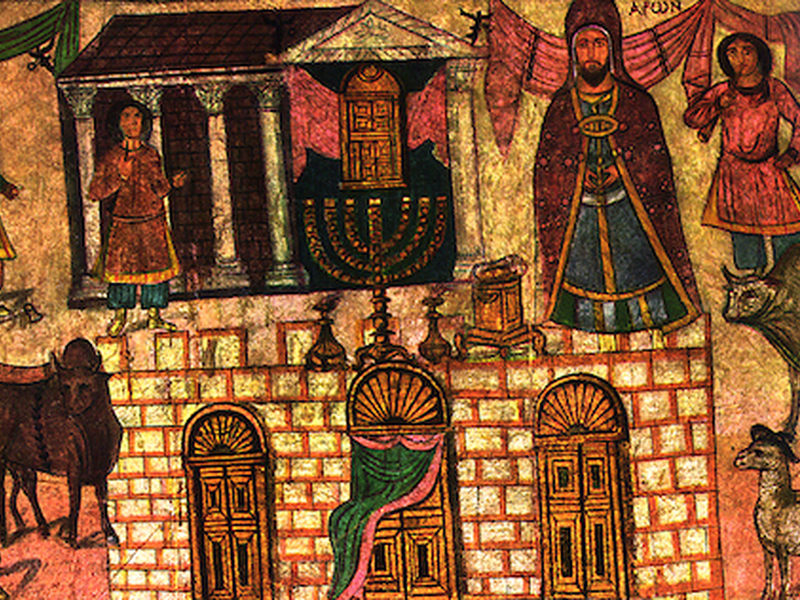
Exodus 26:1-14 moves from inside out, from the tabernacle curtain itself (vv. 1-6) to the goats' hair covering that lays over the tabernacle (vv. 7-13) to the goats and dugong leather that constitute the outermost coverings (v. 14). Then the chapter changes course and moves outside-in: First the boards that…

March 23, 2020
memento-mori

Uncertainty

My daughter, MargaretAnn, posted these Lenten meditations on the coronavirus on Instagram today. uncertainty is a frightening thing. before i left campus unexpectedly to come home, my boss sat me down and reminded me that this is the perfect time to grow. it’s when things are difficult and unsettling and…

March 20, 2020
bruegel
MedicineModernity

God of Plagues

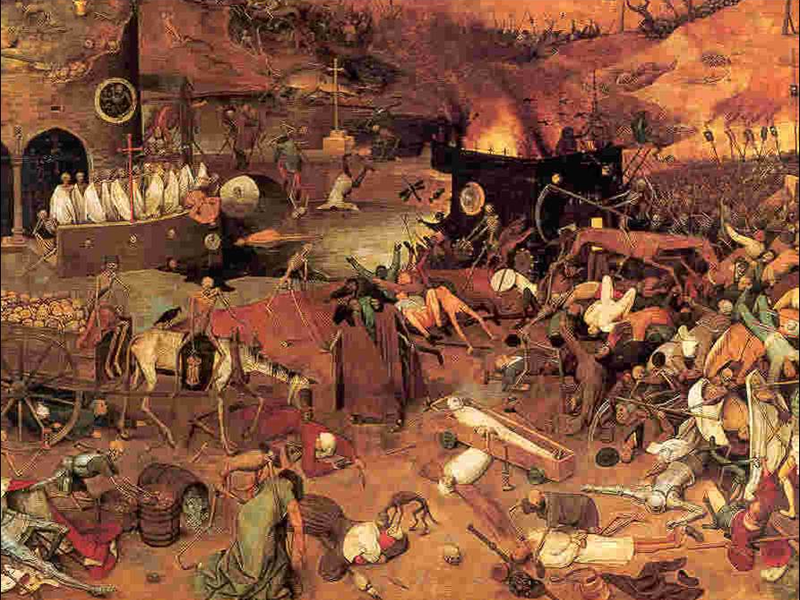
L.M. Sacasas ponders why the coronavirus spooks us. He says it's the pandemic's uncertainty and unpredictability, which destroys our illusions of control. We categorize it as an "accident" because we don't have other categories to wrestle with the unknown. It's a peculiarly modern mental tic. " To call something an…

March 18, 2020
tabernacle
Exodus

It's Curtains!

Exodus 26:1-14 describes four sets of coverings for the tabernacle: 1. The interior curtain, called the “tabernacle” (26:1-6). 2. A covering of goats’ hair to drape over the tabernacle (26:7-13). 3. A covering of rams’ leather, dyed red (26:14a). 4. An exterior covering of dugong or porpoise skin (26:14b). The…

March 16, 2020
hebrew-manuscript-2
Exodus

Tabernacled Among Us

Superficially, the sequence of instructions in Exodus 25-27 moves from the furnishings of the interior of the tent (ark, table, menorah) to the tent fabrics, boards, and bars, before moving out to the courtyard to describe the bronze altar (Exodus 27:1-8) and the court hangings (Exodus 27:9-19). At that level,…

March 9, 2020

Showing page 33 of 2212

Browse by Category

In Medias Res

Your weekly digest for all things Theopolis.

Donate

Theopolis is nearly 100% donor-supported. Consider joining us on our mission.