Theopolis Logo

Writing

Explore our collection of theological essays, biblical studies, and reflections on faith and culture.

See all
or
Abortion

Political Hermeneutics: The Argument From Silence, Part 2

Click HERE for part 1. III This leads to a further question. I have argued that silence cannot by itself establish a Scriptural principle, but does Scripture’s silence carry any weight in itself? Does the fact that something is unbiblical in a weak sense tell us anything at all? In…

by Peter LeithartMarch 13, 1990

hebrew-manuscript-6
Biblical Chronology

Groping Through the Gaps

Although nowadays gap theories are associated with dispensationalism, it was not always so. In the nineteenth century, scholars from a variety of backgrounds (Anglican, Reformed, and proto-fundamentalist) seem to have become fascinated by gaps. If you are not familiar with what I am talking about, this newsletter will acquaint you…

by James B. JordanFebruary 26, 1990
or
Abortion

Political Hermeneutics: The Argument from Silence, Part 1

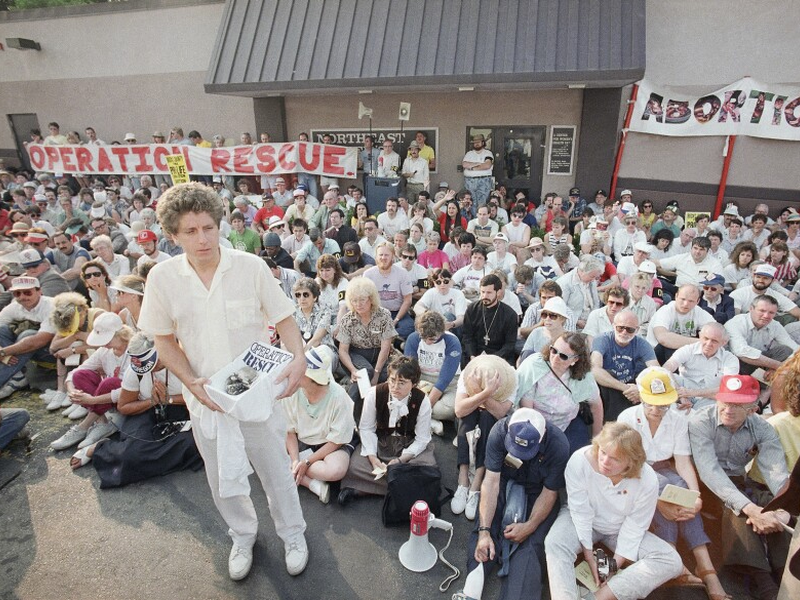
If the debate over Operation Rescue has proven anything, it has proven that there is absolutely no consensus among evangelicals in general, or among "reconstructionists" in particular, about how to use the Bible to judge political actions and movements. Each side of the debate claims biblical authority for its position,…

by Peter LeithartFebruary 13, 1990
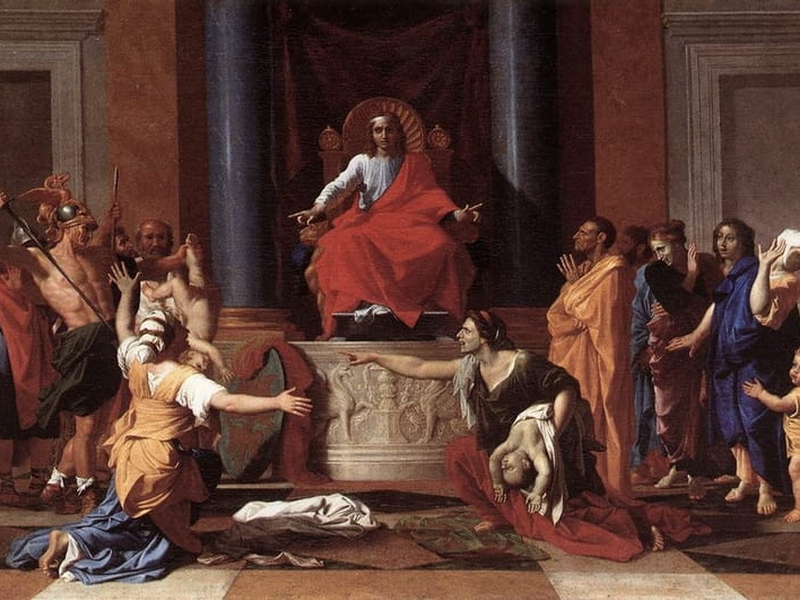
49980-nicolas_poussin_-_the_judgment_of_solomon_-_wga18330-800w-tn
Biblical Studies

Advice From a Sojourner, Part 4

Two things I asked of Thee, Do not refuse me before I die: Keep deception and words of falsehood far from me, Give me neither poverty nor riches, Feed me with the food that it my portion, Lest I be full and deny Thee, And say, "Who is the LORD?"…

by James B. JordanFebruary 2, 1990
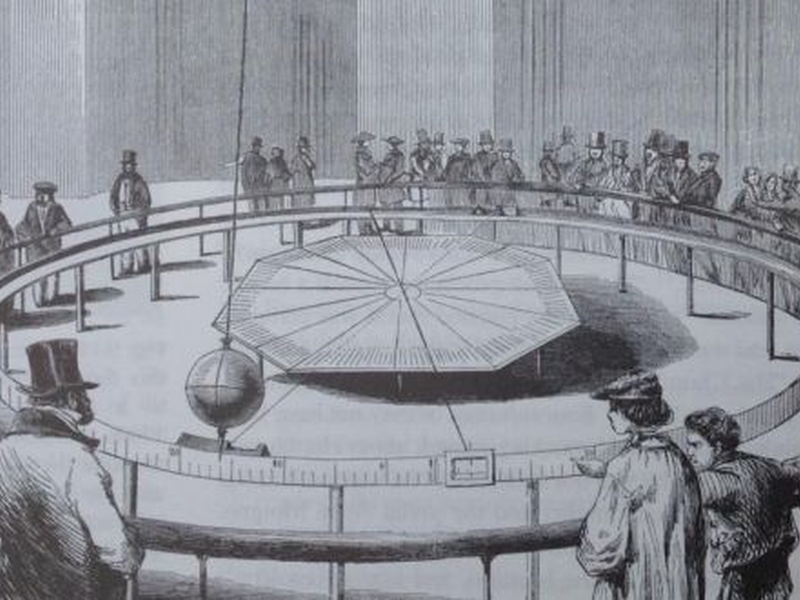
image-2
Biblical Horizons

Foucault’s Pendulum

Umberto Eco’s "The Name of the Rose" was certainly one of the best literary works of the past decade, though the film version hardly measured up to it. Now Eco has given us a new novel, "Foucault’s Pendulum." Like Rose, Foucault’s Pendulum reflects on the limitations of human knowledge, and…

by James B. JordanJanuary 26, 1990
tanner-mardis-xuxghzhibn4-unsplash-1-2
Biblical Studies

What Is “Interpretive Maximalism”?

From time to time people ask me about "interpretive maximalism." They want to know what it is, and sometimes want to know if it represents some departure from the Reformed grammatico-historical, Biblico-theological approach to the Bible. I have something of a problem with these questions, because "interpretive maximalism" is not…

by James B. JordanJanuary 26, 1990

Showing page 305 of 309

See all

Showing page 37 of 43

See all

Abraham in Shakespeare

Ken Jackson's Shakespeare & Abraham is not, he says, “a traditional study of literary borrowing or influence that primarily seeks to link Genesis 22 and Shakespeare via philological evidence.” He does note verbal echoes and allusions (Shakespeare's use of the Abrahamic “Here I am” at critical moments in some plays),…

November 30, 2015

Materialist Idolatry

Nearly all our terms for immaterial concepts were originally terms for material objects. Words for “spirit” originally meant “breath” or “wind”; we use “conceive” to refer to a mental act, but it originally signified grasping with the hand (42). That has led, Owen Barfield wrote ( History, Guilt, and Habit…

November 30, 2015

Being in Gratitude

Barth ( Church Dogmatics , 3.2, section 44) discusses gratitude under the heading of “man as a creature of God,” but creatureliness needs to be seen in a particular way. Man is summoned by the word of grace, by God’s address and affirmation of man. We are “called into life…

November 25, 2015

Advent's Spirit of Sonship

Luke 1 is Trinitarianly odd. Our creeds, growing out of Matthew 28:18-20 and other biblical texts, speak of the order of the Trinity as “Father, Son, Spirit.” That reflects the order of the economy: The Father does send the Son; and then the Son ascends to heaven, and sends the…

November 25, 2015

Prayer and Unity

It's significant, writes Walter Kasper ( Handbook of Spiritual Ecumenism ), that “Jesus did not primarily express his desire for unity in a teaching or in a commandment to his disciples, but in a prayer to his Father. Unity is a gift from above, stemming from and growing toward loving…

November 24, 2015

Our Feudal Future?

Nation states have enormous power, which can be projected outwardly and exercised within. We can bomb targets on the other side of the world; the NSA can find out whom you call when for how long. It's also become clear that nation-states are also deeply vulnerable. The most sophisticated technologies…

November 24, 2015

Showing page 347 of 2212

Browse by Category

In Medias Res

Your weekly digest for all things Theopolis.

Donate

Theopolis is nearly 100% donor-supported. Consider joining us on our mission.