Theopolis Logo

Writing

Explore our collection of theological essays, biblical studies, and reflections on faith and culture.

See all
e99a1883
Eucharist

According to the Ordinance

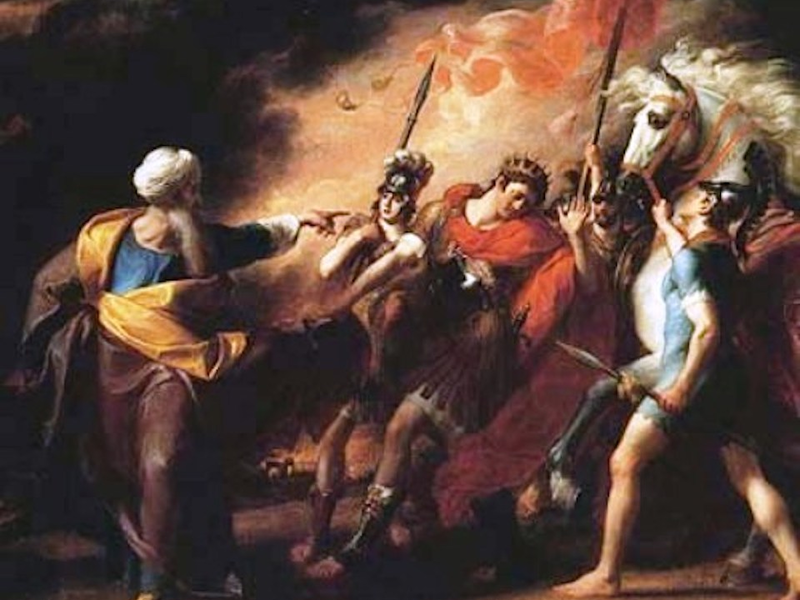
After 9 chapters of genealogy, the Chronicler begins his history with the death of Saul and the rise of David. The latter part of 1 Chronicles 12 describes the assembly of warriors from the twelve tribes to Hebron to celebrate David’s coronation as king. They have a three-day feast, with…

by Peter LeithartSeptember 1, 2016
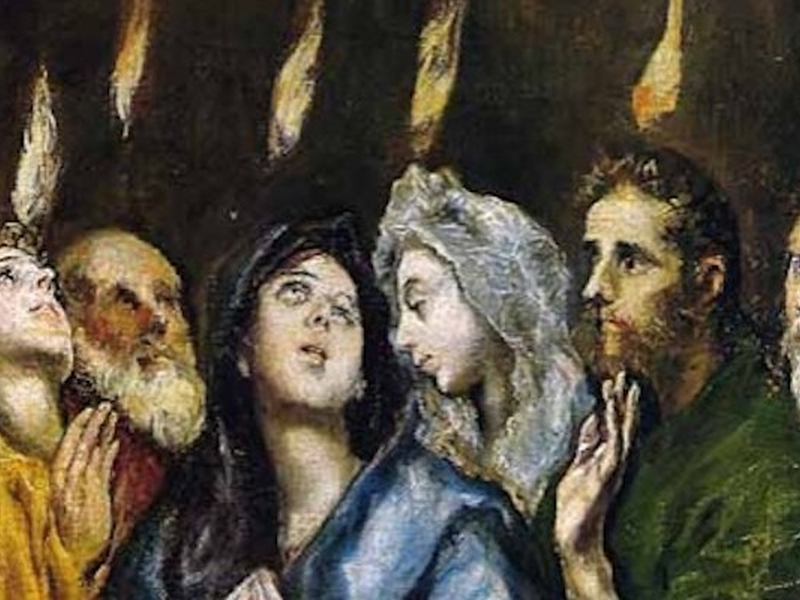
pentecost
Baptism

Water, Spirit, and Fire, (Part 2)

In the introduction we saw that Matthew and Luke are the only gospels which include “fire” in John the Baptist's narrative. If Matthew and Luke are the priestly and prophetic gospels, the inclusion of fire is of great importance. Priests are servants of the altar, working with fire every day.…

by Adam McIntoshAugust 30, 2016
city-heaven
Daniel

Brexit and the Binding of Satan: Part 3

The feet of the great statue in Nebuchadnezzar’s dream cannot be interpreted as a prediction of the states of modern Europe, but the lessons from their failure can certainly be applied . The statue in Nebuchadnezzar’s dream spoke of God’s ordaining of four empires which would rule in succession throughout…

by Mike BullAugust 25, 2016
istock_1475569697_1__9049d5f0-0813-44b1-9fa3-56fa65117e67
City

From Milwaukee

This past Sunday afternoon, I drove just a few miles west of my neighborhood to visit the corner of Sherman Blvd. and Burleigh St. in Milwaukee, Wisconsin. Amid a crowd I stood, looking at a huge gas station and multiple vehicles, all completely destroyed. Hundreds of feet of yellow caution…

by Jonathan SedlakAugust 23, 2016
david-men

Help

1 Chronicles 12 is a flashback. The Chronicler has told the story of Saul’s death at the battle of Mount Gilboa. He has described how “all Israel” gathered to David at Hebron to make him king over all Israel (11:1-3). At the beginning of chapter 12, we move back to…

by Peter LeithartAugust 18, 2016
e99a1834-2-6
Theopolis News

Leviticus Course Recap

A great story draws you into specific details while delivering an ending that keeps you coming back. It brings you into the minutiae of life in such a way that requires patience, only to deliver a breath of fresh air time and again. The climax of the biblical story comes…

by Brian MoatsAugust 17, 2016

Showing page 126 of 309

See all

Showing page 38 of 43

See all

You shall know them by their fear

Stott notes that 1 John 4:19 indicates that the church’s great characteristic is love, not fear. That is, it should be. Is it? Hardly. Read the next piece of direct mail you get from a Christian advocacy group. Look at the listings in a Christian book catalogue or bookstore. Analyze…

January 20, 2007

Fear and fear

Perfect love casts out fear, John says. But the Bible repeatedly exhorts us to fear God. There’s fear, then there’s fear. How do we tell the difference? The difference is in the direction our fear moves us. Adam feared God, and hid in the garden. Wrong fear drives us away…

January 20, 2007

Kantian modalism?

Post-Kantian thought cannot make room for undistorted revelation of God in history. History, creation, is necessarily a distorting medium. Is this just a form of modalism? Doesn’t this just create an unbridgeable modalist gap between God-in-Himself and God-as-revealed? Isn’t this just saying that God is not what He appears to…

January 20, 2007

God’s body

Time was when you could despise the body and love God, or despise God and love the body. One could be an ascetic or a hedonist. Then God got Himself a body. Despite efforts to retain this choice (Nietzsche, flagellants), the incarnation made the ancient choice of ascetic or hedonist…

January 19, 2007

Dionysus and the crucified

Shaftesbury recognized the stark difference between his own rational Deity and the vulgar bodily and crucifiable Christ. Francis Hutcheson, building on Shaftesbury, tried to conflate the two. Hutcheson was a Christian, a Presbyterian professor of moral theology. Shaftesbury loathed Christ. But which of the two was the better friend of…

January 19, 2007

Showing page 1732 of 2212

Browse by Category

In Medias Res

Your weekly digest for all things Theopolis.

Donate

Theopolis is nearly 100% donor-supported. Consider joining us on our mission.