
Theopolis Logo

Writing

Explore our collection of theological essays, biblical studies, and reflections on faith and culture.

See all
robert-collins-tvc5imo5pxk-unsplash
Culture

Play is a Serious Business

“And the streets of the city shall be full of boys and girls playing in its streets,” Zachariah 8:5. 1. Ultimatum game Ultimatum Game is an economic experiment. Its rules are simple: I will give you $100 as long as you give part of that money to the person next…

by Bogumil JarmulakAugust 27, 2020
processed-with-vsco-with-c1-preset
Zechariah

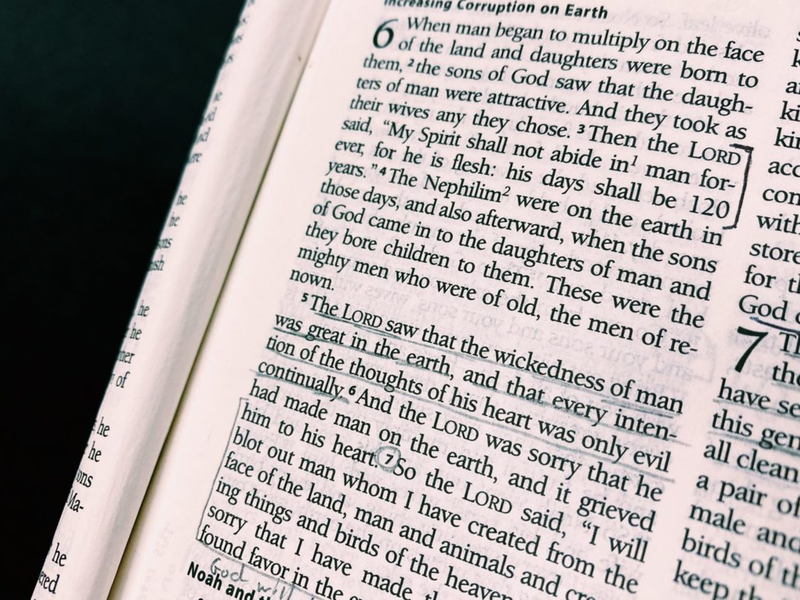
The Nephilim Connection

The Nephilim of Genesis 6 has been a topic of great speculation over the centuries. The word appears in Scripture two times, first in Genesis 6 and then in Numbers 13. There have been three major theories regarding the identity of the Nephilim : The Fallen-Angel Procreation Theory: this view…

by Uri BritoAugust 25, 2020
jason-blackeye-ap3lxi0fpjy-unsplash
Matthew

Coming on the Clouds

Jesus on trial was silent before all His accusers, until the high priest said to Him: “I adjure you by the living God, tell us if you are the Christ, the Son of God.” (Matthew 26:63) The high priest commanded Jesus to declare clearly whether or not He was the…

by Ralph Allan SmithAugust 20, 2020
e99a2549
How to Worship

On Covid19, the Nature of Church, and Reopening

Introduction In many ways I have been disheartened—and at times distraught—by how congregations across America have responded to Covid19, not in the first weeks when so much was unknown, but in the months since. I had, like most everyone, originally thought we'd be at home a few weeks, but from…

by Bo GrimesAugust 18, 2020
katsiaryna-endruszkiewicz-el-roodgn3s-unsplash
Ephesians

The Lost Bride

The dust settled as Yahweh clapped his hands together to knock off any remaining clumps of dirt and soil. He had just finished forming from the dust of the ground the crowning glory of his creation. There, lying lifeless upon the newly created earth, was the first image in Yahweh's…

by Kyle LammottAugust 11, 2020
aaron-burden-nbjsrii4x6u-unsplash
Preterism

Judgment, Preterism, and the Psalms

When reading the Psalms Christologically, it is one thing to see the prefigured sufferings of Christ and the subsequent glories. But what do we do with the passages concerning recompense, judgment, or vengeance? Are we to also read these Christologically, or are these vestigial Old Covenant ways of thinking, fit…

by Matthew PikeAugust 4, 2020

Showing page 64 of 309

See all

Showing page 38 of 43

See all
History

Hermeticism and gnosticism

In his book on the hermeticist Hegel, Magee gives this helpful sketch of the differences between gnosticism and hermeticism: “Gnosticism and Hermeticism both believe that a divine ‘spark’ is implanted in man, and that man can come to know God. However, Gnosticism involves an absolutely negative account of creation. It…

August 16, 2006
Philosophy

Hegel and Hermes

In a 2001 book (Cornell), Glenn Magee argues that Hegel must be understood as a hermetic thinker. Hegel claims to have moved beyond the ancient notion of philosophy as “pursuit of wisdom” to an absolute knowledge that is simply identical with wisdom. As Magee says, “Hegel’s claim to have attained…

August 16, 2006

MacIntyre on Heroic virtue

In After Virtue , Alasdair MacIntyre provides a neat discussion of the virtue and selfhood in Greek antiquity. The unity of ARETE, virtue, “resides . . . in the concept of that which enables a man to discharge his role,” and refers to “excellence of any kind,” whether in a…

August 16, 2006
Philosophy

Logos: Harmony and Recipe

One Marc Cohen of the University of Washington, offers this account of the “logos” of Heraclitus in an online lecture outline: First, “There is an orderly, law-governed process of change in the universe. (Compare fragment 80 with Anaximander, who equates strife with injustice; for Heraclitus, strife is justice, and is…

August 16, 2006

Life of Heraclitus

Some selections from Diogenes Laertius’ “Life of Heraclitus, from his “Lives and Opinions of Eminent Philosophers: “He was above all men of a lofty and arrogant spirit, as is plain from his writings, in which he says, ‘Abundant learning does not form the mind; for if it did, it would…

August 16, 2006
History

Asocial sociability

Seigel devotes a fascinating section of his book ( Idea of the Self ) to a summary of Mandeville’s Fable of the Bees , in which Mandeville describes what Kant characterized as the “asocial sociability” of human nature. Social in the sense that even in a natural state, prior to…

August 15, 2006

Showing page 1809 of 2212

Browse by Category

In Medias Res

Your weekly digest for all things Theopolis.

Donate

Theopolis is nearly 100% donor-supported. Consider joining us on our mission.