Theopolis Logo

Writing

Explore our collection of theological essays, biblical studies, and reflections on faith and culture.

See all
or
Abortion

Political Hermeneutics: The Argument From Silence, Part 2

Click HERE for part 1. III This leads to a further question. I have argued that silence cannot by itself establish a Scriptural principle, but does Scripture’s silence carry any weight in itself? Does the fact that something is unbiblical in a weak sense tell us anything at all? In…

by Peter LeithartMarch 13, 1990

hebrew-manuscript-6
Biblical Chronology

Groping Through the Gaps

Although nowadays gap theories are associated with dispensationalism, it was not always so. In the nineteenth century, scholars from a variety of backgrounds (Anglican, Reformed, and proto-fundamentalist) seem to have become fascinated by gaps. If you are not familiar with what I am talking about, this newsletter will acquaint you…

by James B. JordanFebruary 26, 1990
or
Abortion

Political Hermeneutics: The Argument from Silence, Part 1

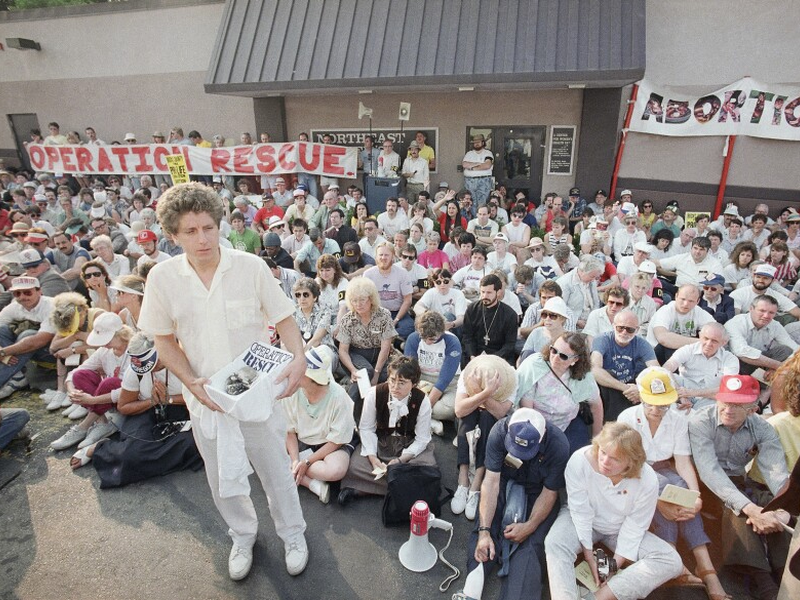
If the debate over Operation Rescue has proven anything, it has proven that there is absolutely no consensus among evangelicals in general, or among "reconstructionists" in particular, about how to use the Bible to judge political actions and movements. Each side of the debate claims biblical authority for its position,…

by Peter LeithartFebruary 13, 1990
49980-nicolas_poussin_-_the_judgment_of_solomon_-_wga18330-800w-tn
Biblical Studies

Advice From a Sojourner, Part 4

Two things I asked of Thee, Do not refuse me before I die: Keep deception and words of falsehood far from me, Give me neither poverty nor riches, Feed me with the food that it my portion, Lest I be full and deny Thee, And say, "Who is the LORD?"…

by James B. JordanFebruary 2, 1990
image-2
Biblical Horizons

Foucault’s Pendulum

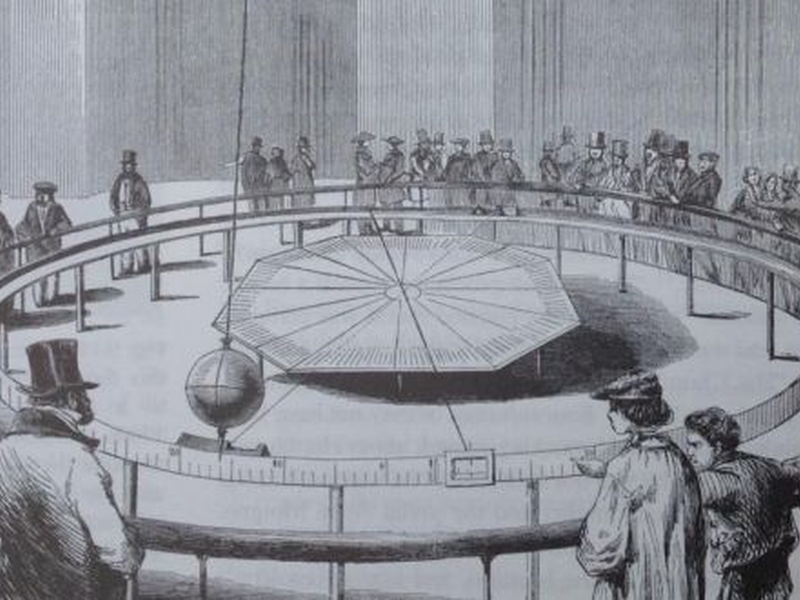
Umberto Eco’s "The Name of the Rose" was certainly one of the best literary works of the past decade, though the film version hardly measured up to it. Now Eco has given us a new novel, "Foucault’s Pendulum." Like Rose, Foucault’s Pendulum reflects on the limitations of human knowledge, and…

by James B. JordanJanuary 26, 1990
tanner-mardis-xuxghzhibn4-unsplash-1-2
Biblical Studies

What Is “Interpretive Maximalism”?

From time to time people ask me about "interpretive maximalism." They want to know what it is, and sometimes want to know if it represents some departure from the Reformed grammatico-historical, Biblico-theological approach to the Bible. I have something of a problem with these questions, because "interpretive maximalism" is not…

by James B. JordanJanuary 26, 1990

Showing page 305 of 309

See all

Showing page 38 of 43

See all

City of Gems and Song

In her contribution to Envisaging Heaven in the Middle Ages , Beverly Mayne Kienzle summarizes Hildegard of Bingen's understanding of heaven and of the new Jerusalem. For Hildegard, “Jerusalem represents the vision of peace and salvation, the final resting place for those who perform good works in this life.” She…

January 13, 2016

Two Idolatries

In a 1998 article in VT, Giancarlo Biguzzi argues that John describes two different forms of idolatry in the book of Revelation. The first is the traditional idolatry of idols; the second is the beast idolatry that is the focus of the book. John “speaks explicitly of that given to…

January 13, 2016

Superheroes and Modernity

“Faster than a speeding bullet, more powerful than a locomotive, able to leap tall buildings in a single bound.” The comparisons are not random, argues Aldo Regalado in Bending Steel : “By measuring Superman’s powers against those of the bullet, the train, and the skyscraper, these phrases offer clues that…

January 13, 2016

Christless Worship?

In a recent article, Loren Stuckenbruck makes this striking comment about the heavenly worship of Revelation 4: “John’s vision of a ‘Christ-less' worship in chapter 4 is so different from chapter 5; indeed, it is different from the visions described in the rest of the book in which Jesus plays…

January 12, 2016

Rodin and Tradition

The last time we had a Rodin revival was during the 1960s, writes Jed Perl. He seemed to capture the revolutionary 60s “ambiguous, contradictory, and conflicted” relation to tradition. Rodin is enjoying something of a revival again today, and Perl thinks it is for much the same reasons.” Despite his…

January 12, 2016

Writtenness

Near the end of her book on The Heavenly Book Motif , Leslie Baynes notes the “negative attitude about writing that Plato’s Socrates expresses in the Phaedrus ” is absent from early Christianity. For early Christians, “Words are ephemeral and disappear as soon as they are spoken, but writing remains.…

January 12, 2016

Showing page 333 of 2212

Browse by Category

In Medias Res

Your weekly digest for all things Theopolis.

Donate

Theopolis is nearly 100% donor-supported. Consider joining us on our mission.