Theopolis Logo

Writing

Explore our collection of theological essays, biblical studies, and reflections on faith and culture.

See all
or
Abortion

Political Hermeneutics: The Argument From Silence, Part 2

Click HERE for part 1. III This leads to a further question. I have argued that silence cannot by itself establish a Scriptural principle, but does Scripture’s silence carry any weight in itself? Does the fact that something is unbiblical in a weak sense tell us anything at all? In…

by Peter LeithartMarch 13, 1990

hebrew-manuscript-6
Biblical Chronology

Groping Through the Gaps

Although nowadays gap theories are associated with dispensationalism, it was not always so. In the nineteenth century, scholars from a variety of backgrounds (Anglican, Reformed, and proto-fundamentalist) seem to have become fascinated by gaps. If you are not familiar with what I am talking about, this newsletter will acquaint you…

by James B. JordanFebruary 26, 1990
or
Abortion

Political Hermeneutics: The Argument from Silence, Part 1

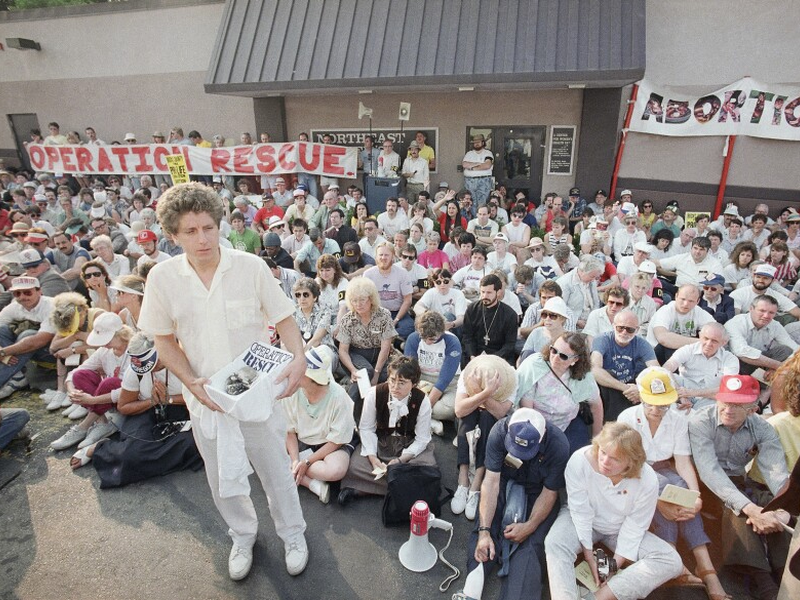
If the debate over Operation Rescue has proven anything, it has proven that there is absolutely no consensus among evangelicals in general, or among "reconstructionists" in particular, about how to use the Bible to judge political actions and movements. Each side of the debate claims biblical authority for its position,…

by Peter LeithartFebruary 13, 1990
49980-nicolas_poussin_-_the_judgment_of_solomon_-_wga18330-800w-tn
Biblical Studies

Advice From a Sojourner, Part 4

Two things I asked of Thee, Do not refuse me before I die: Keep deception and words of falsehood far from me, Give me neither poverty nor riches, Feed me with the food that it my portion, Lest I be full and deny Thee, And say, "Who is the LORD?"…

by James B. JordanFebruary 2, 1990
image-2
Biblical Horizons

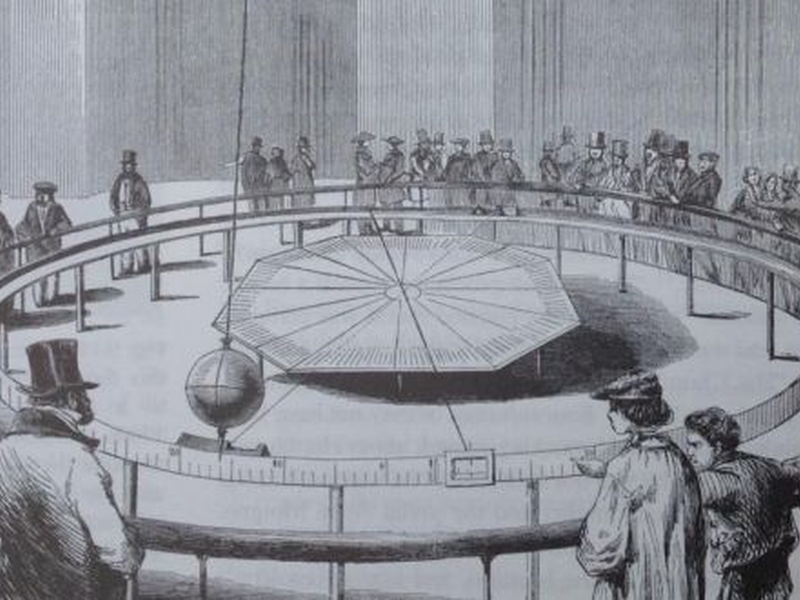
Foucault’s Pendulum

Umberto Eco’s "The Name of the Rose" was certainly one of the best literary works of the past decade, though the film version hardly measured up to it. Now Eco has given us a new novel, "Foucault’s Pendulum." Like Rose, Foucault’s Pendulum reflects on the limitations of human knowledge, and…

by James B. JordanJanuary 26, 1990
tanner-mardis-xuxghzhibn4-unsplash-1-2
Biblical Studies

What Is “Interpretive Maximalism”?

From time to time people ask me about "interpretive maximalism." They want to know what it is, and sometimes want to know if it represents some departure from the Reformed grammatico-historical, Biblico-theological approach to the Bible. I have something of a problem with these questions, because "interpretive maximalism" is not…

by James B. JordanJanuary 26, 1990

Showing page 305 of 309

See all

Showing page 38 of 43

See all

Yahweh the Teacher

Genesis 1 presents a macro-creation, Genesis 2 a micro-creation. The latter follows the former, for humanity is micro-cosmic. The Spirit hovers over waters, and water arises to water the ground. God speaks light into existence, and by the same breath He makes Adam a living soul. Day 1. Yahweh forms…

April 8, 2015
Liturgy

Omnivorous Liturgy

We stand, we kneel, we sit, we stand, we kneel. The postures of liturgy write “upon the bodies of those who perform it frequently a habit of acting as an unworthy recipient of a prevenient gift” (Paul Griffiths, Decreation , 232). By developing the habits that the liturgy impresses on…

April 7, 2015

The Primacy of Pattern

“When we do science,” writes William Dembski in his Being As Communion (85), “we don't encounter matter in its raw state nor do we encounter sensory experiences in their raw state. Rather, we encounter certain patterns to the exclusion of others. In other words, we encounter information. The material and…

April 7, 2015

World-Making Word

The Creator God is a speaker, who speaks to form the formless, dark, and empty void into the structured and glorious cosmos. As images of the world-making God who speaks, we also make worlds with words. Genesis 1 provides a paradigm, an allegory of world-making words. In the darkness, words…

April 7, 2015

When Stars Fall

NT Wright has insisted over the years that the apocalyptic language of the gospels (Matthew 24; Mark 13; Luke 21) doesn't refer to the end of the space-time universe but to the end of a socio-political order. Edward Adams dissents in his 2007 The Stars Will Fall From Heaven .…

April 6, 2015

More Than Anxiety

Laura Pelaschiar's forthcoming Joyce/Shakespeare collects essays that explore the various facts of Joyce's use, misuse, criticism, and combat with Shakespeare. She observes that “Shakespeare’s existence in Joyce is tentacular and functions on many different levels: cultural, structural, political, thematic, contrapuntal, imitational, quotational/misquotational, stylistic, lexical, psychological, or psycholiterary.” Joyce's reception of…

April 6, 2015

Showing page 443 of 2212

Browse by Category

In Medias Res

Your weekly digest for all things Theopolis.

Donate

Theopolis is nearly 100% donor-supported. Consider joining us on our mission.