Theopolis Logo

Writing

Explore our collection of theological essays, biblical studies, and reflections on faith and culture.

See all
or
Abortion

Political Hermeneutics: The Argument From Silence, Part 2

Click HERE for part 1. III This leads to a further question. I have argued that silence cannot by itself establish a Scriptural principle, but does Scripture’s silence carry any weight in itself? Does the fact that something is unbiblical in a weak sense tell us anything at all? In…

by Peter LeithartMarch 13, 1990

hebrew-manuscript-6
Biblical Chronology

Groping Through the Gaps

Although nowadays gap theories are associated with dispensationalism, it was not always so. In the nineteenth century, scholars from a variety of backgrounds (Anglican, Reformed, and proto-fundamentalist) seem to have become fascinated by gaps. If you are not familiar with what I am talking about, this newsletter will acquaint you…

by James B. JordanFebruary 26, 1990
or
Abortion

Political Hermeneutics: The Argument from Silence, Part 1

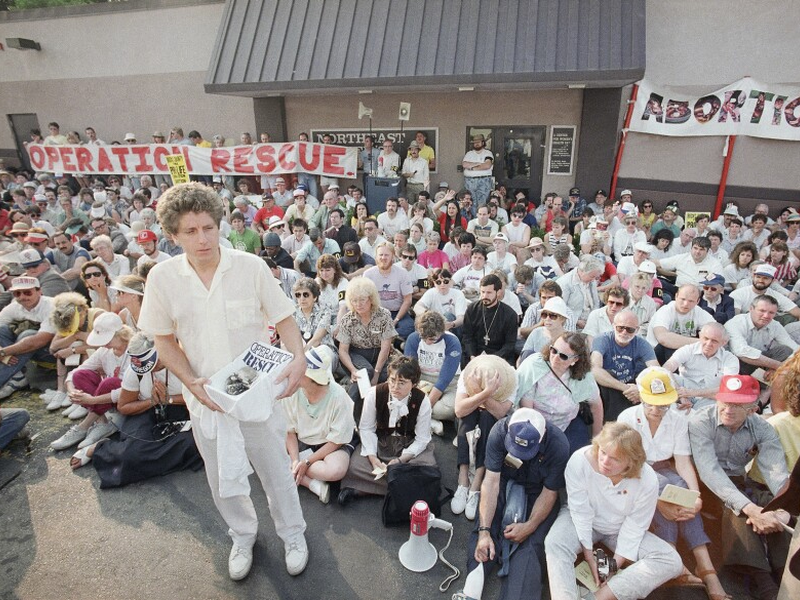
If the debate over Operation Rescue has proven anything, it has proven that there is absolutely no consensus among evangelicals in general, or among "reconstructionists" in particular, about how to use the Bible to judge political actions and movements. Each side of the debate claims biblical authority for its position,…

by Peter LeithartFebruary 13, 1990
49980-nicolas_poussin_-_the_judgment_of_solomon_-_wga18330-800w-tn
Biblical Studies

Advice From a Sojourner, Part 4

Two things I asked of Thee, Do not refuse me before I die: Keep deception and words of falsehood far from me, Give me neither poverty nor riches, Feed me with the food that it my portion, Lest I be full and deny Thee, And say, "Who is the LORD?"…

by James B. JordanFebruary 2, 1990
image-2
Biblical Horizons

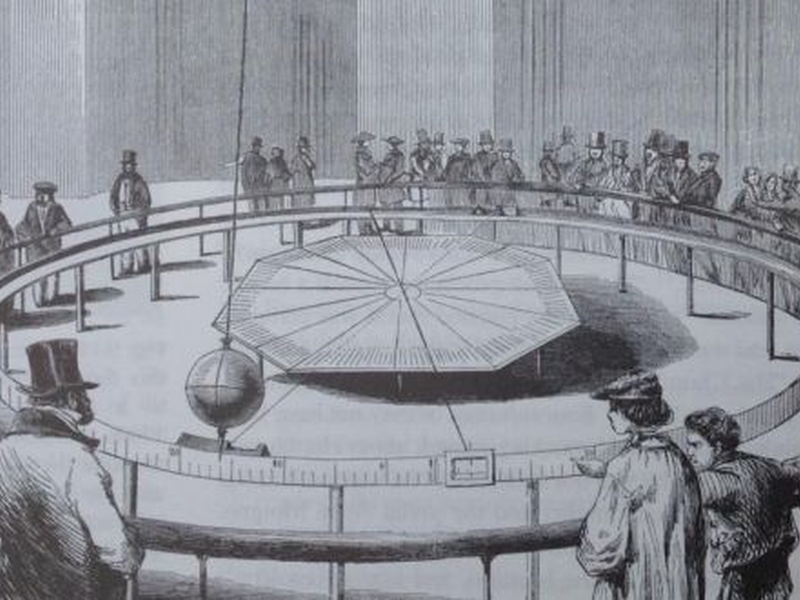
Foucault’s Pendulum

Umberto Eco’s "The Name of the Rose" was certainly one of the best literary works of the past decade, though the film version hardly measured up to it. Now Eco has given us a new novel, "Foucault’s Pendulum." Like Rose, Foucault’s Pendulum reflects on the limitations of human knowledge, and…

by James B. JordanJanuary 26, 1990
tanner-mardis-xuxghzhibn4-unsplash-1-2
Biblical Studies

What Is “Interpretive Maximalism”?

From time to time people ask me about "interpretive maximalism." They want to know what it is, and sometimes want to know if it represents some departure from the Reformed grammatico-historical, Biblico-theological approach to the Bible. I have something of a problem with these questions, because "interpretive maximalism" is not…

by James B. JordanJanuary 26, 1990

Showing page 305 of 309

See all

Showing page 39 of 43

See all

TheoUrban Dreams

The following was delivered as a Convocation Address at the beginning of the 2017-18 Theopolis Institute's Junior Fellows Program on August 14, 2017 . Theopolis is the embodiment of a dream. Our name expresses the contents of that dream. We dream of a polis , a city. Every city is…

August 15, 2017

Hearts Prepared

Hezekiah's Passover (2 Chronicles 30) has a prominent place in the Chronicler's account of his reign. As William Johnstone points out ( 1 & 2 Chronicles ), Hezekiah's reign moves out from the temple to the city to the nations. He reopens and purifies the house of Yahweh (2 Chronicles…

August 15, 2017

Welcome to Leithart

Welcome to Leithart the blog. For those who are coming to the blog for the first time, please allow me to introduce myself. I am Peter Leithart, President of the Theopolis Institute , a study center and leadership training program based in Birmingham, Alabama. After spending several decades in the…

August 14, 2017
Gratitude

Pillars of Gratitude

Philip Watkins ( Gratitude and the Good Life ) identifies three “pillars of gratitude.” These are components of gratitude as an emotional “trait,” as opposed to gratitude expressed in response to specific good received or as an emotional state: “These are presumed to be three subordinate facets that contribute to…

August 11, 2017

Inventing “Emotion”

No one before the twentieth century, writes Robert Solomon ( The Passions ), paid serious philosophical attention to the emotions. There's a good reason for that, writes Thomas Dixon ( From Passions to Emotions ): The category “emotion” didn't exist prior to the 19th century. Between 1800 and 1850, there…

August 11, 2017
Epistemology

Dehumanizing Skepticism

God made us to be knowers. We long to know. Esther Meek argues ( Longing to Know ) that the frustration of this desire is one of the effects of skepticism and relativism: “To be human is to make sense of experience. There are voices today that would discourage the…

August 11, 2017

Showing page 153 of 2212

Browse by Category

In Medias Res

Your weekly digest for all things Theopolis.

Donate

Theopolis is nearly 100% donor-supported. Consider joining us on our mission.