Theopolis Logo

Writing

Explore our collection of theological essays, biblical studies, and reflections on faith and culture.

See all
reformation-wall
Protestantism

More Anti-Catholic Than Thou

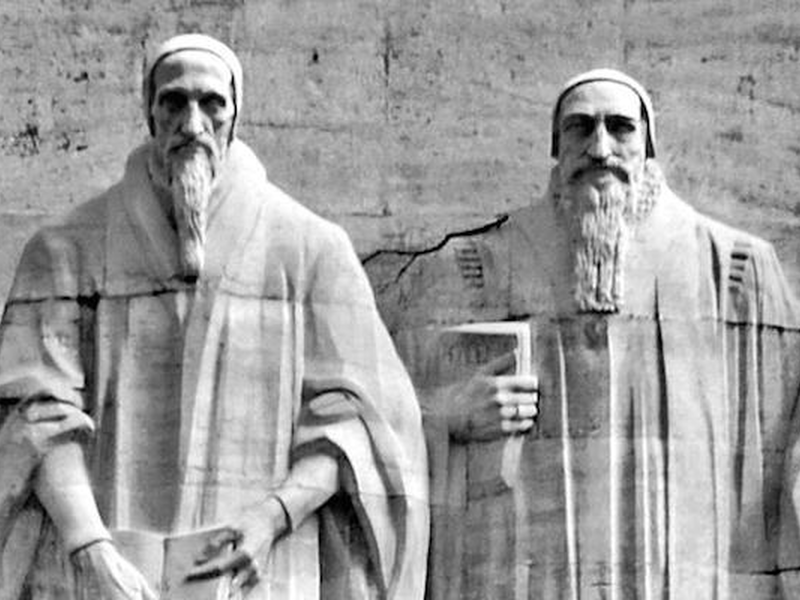
The “second Reformation” introduced Reformed liturgy and teaching into Lutheran Germany. This was seen by some as a continuation of the Reformation and a purgation of Catholic remnants. The effort to carry on “further reformation” led to disputes with Lutherans. As Bodo Nischan has put it, the hottest debate in…

by Peter LeithartMarch 28, 2017
bilbo
Literature

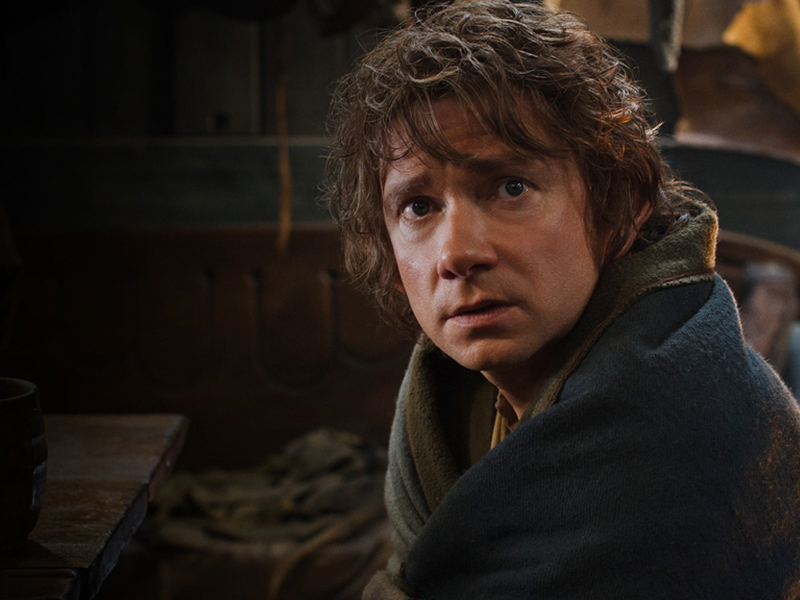
Bilbo: A Reformation Hero?

In J. R. R. Tolkien: Author of the Century , Tom Shippey observes that Bilbo is a member of the middle class, a bourgeois. Bilbo does not have any servants, but his hole is “the home of a member of the Victorian upper-middle class of Tolkien’s nineteenth-century youth, full of…

by Bogumil JarmulakMarch 23, 2017
cross-2
Isaiah

God In the Dock

Idolatry has deprived Israel of her senses. This was one of the early messages to Isaiah (Isaiah 6). Yahweh sent him out to a people who had been deprived of their senses because of their commitment to idols. They become like the idols they serve. They still have eyes, but…

by Peter LeithartMarch 21, 2017
jesus-baptism
Trinity

Triune Personhood

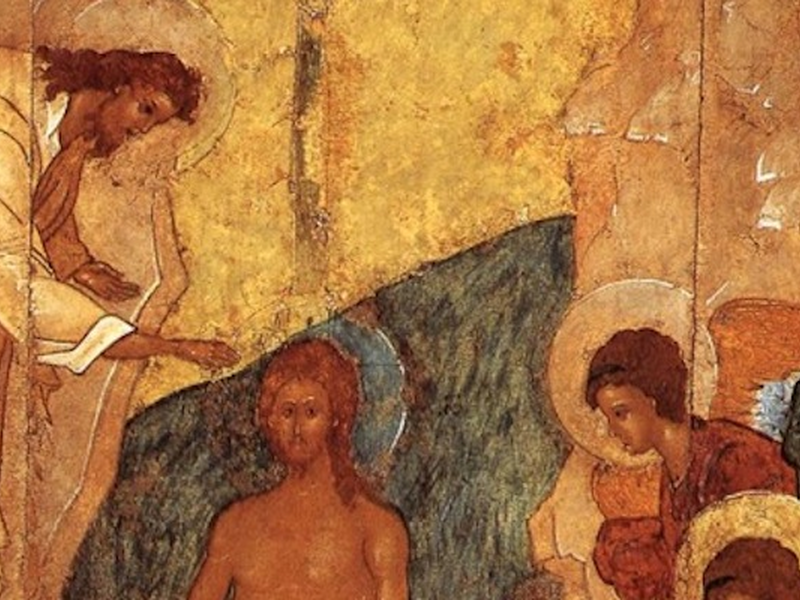
In the current climate of Trinitarian discussion concerning personhood, it's good to reach back to David Bentley Hart's treatment of the subject in his wonderful Beauty of the Infinite . Hart addresses the dangers of misreading Rahner’s rule, namely, the danger of dissolving the ontological Trinity into the economic. In…

by Peter LeithartMarch 16, 2017
e99a9259
Certificate Program

Chris Kou Completes the Certificate Program

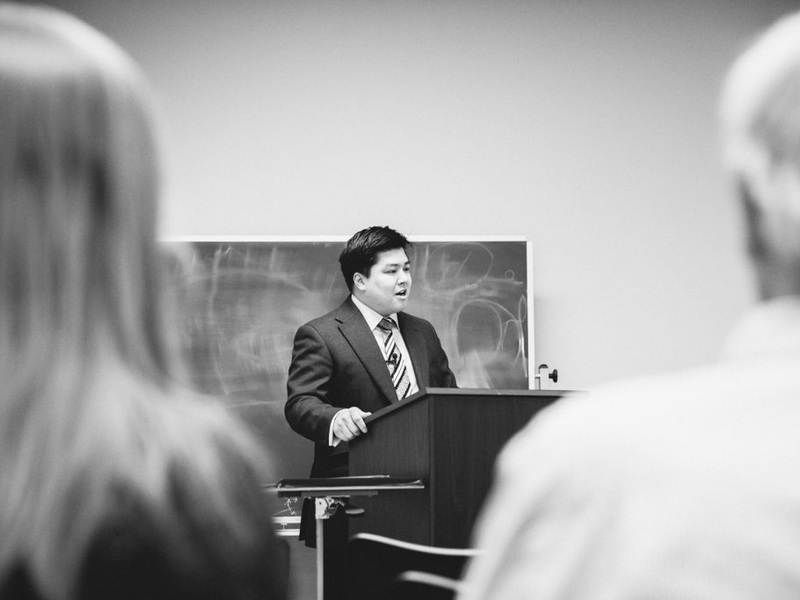
Chris Kou is the oldest son of Chinese immigrants. Chris and his brothers run a branding and marketing business, Imagineering, in the northwest suburbs of Chicago. In his spare time, he takes online courses from Reformed Theological Seminary, and aspires to be a pastor. Chris is also one of our…

by Peter LeithartMarch 15, 2017
church-monet
Architecture

House of Living Stones

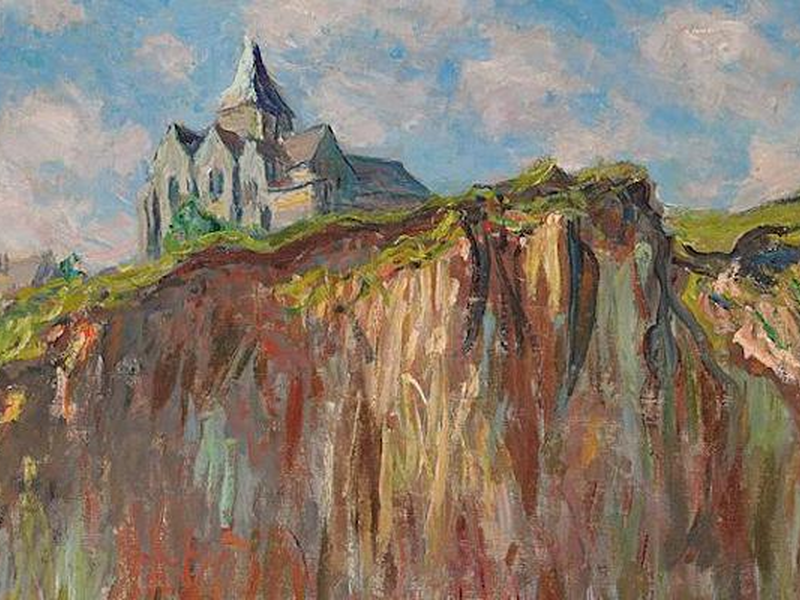
The following was delivered as the Solemn Charge and Exhortation to Theopolis students beginning the Easter term course on Architecture and Liturgical Space . As we will be reminded repeatedly throughout the week, the Bible has a lot to say about building and buildings. Long stretches of Exodus, Kings, Chronicles,…

by Peter LeithartMarch 14, 2017

Showing page 115 of 309

See all

Showing page 39 of 43

See all
History

Smokin’ like a Christian

English fairs in earlier centuries displayed wares and displays from all over the world. At one there was an animal described as “a noble creature, which much resembled a Wild Hairy man” whose main skill was to doff his hat and show “his respects to the Company, and smoaks a…

October 14, 2006
Literature

The Moral of Henry V

Much of the moral and political import of Shakespeare’s Henry V is left to the audience’s or reader’s judgment. Is Henry a “pig” or is he the mirror of Christian kings? Is his invasion of France fair or foul? Shakespeare doesn’t show his hand, or not much; and one is…

October 14, 2006
Literature

The climax of Coriolanus

George Barnam notes the careful structure of Act 5 of Shakespeare’s Coriolanus: “Shakespeare had used this scene structurally to build the tension toward the climactic moment when Volumnia should appeal to her son and prevail. Three appeals are made to Marcius, and Shakespeare’s presentation of them matches in structure the…

October 14, 2006
History

Sports and the sacred

A reader wrote to respond to my suggestion that high culture is “sacred” and pop culture “profane,” citing the example of sports. Here’s my response: A football game often is a quasi-religious experience, but I’m not sure we use the same language to describe it. If someone slashed da Vinci’s…

October 14, 2006
Literature

Desacralized drama

In their “cultural history” of English drama, Simon Shepherd and Peter Womack summarize the argument of Glynne Wickham concerning the divorce of stage and sacred: “The English stage - so the argument runs - was predominantly a religious one until Elizabethan Protestantism forced a separation between theatre and the central…

October 14, 2006
History

Civil war and criticism

As Marsden describes it, the growth of neoclassical literary sensibilities developed in part in reaction to the chaos and disorder of the English civil war - following in this regard the development of late 17th century political theory. Orderliness, definiteness, clarity became virtues, while ambiguity, double entendres, and inconclusiveness became…

October 13, 2006

Showing page 1777 of 2212

Browse by Category

In Medias Res

Your weekly digest for all things Theopolis.

Donate

Theopolis is nearly 100% donor-supported. Consider joining us on our mission.