Theopolis Logo

Writing

Explore our collection of theological essays, biblical studies, and reflections on faith and culture.

See all
702827ansdl
Psalms

Reimagining Psalm 23

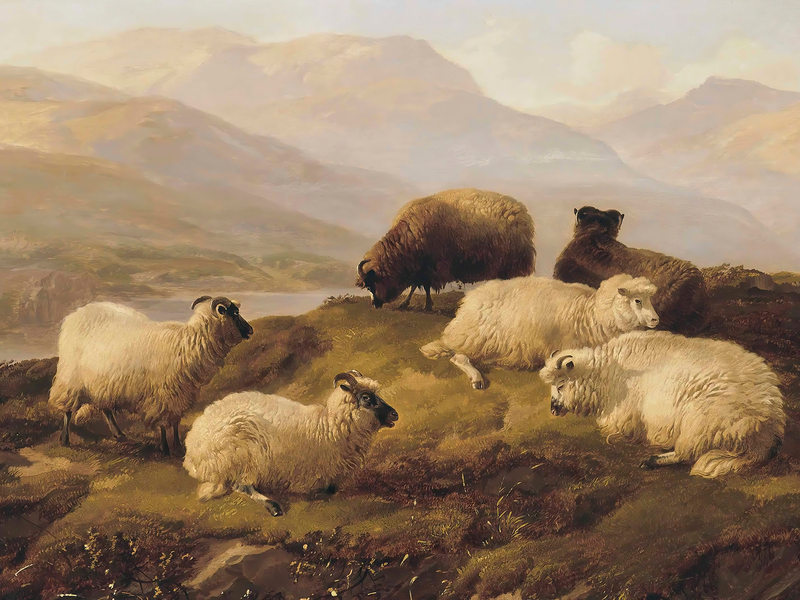
The Bible depicts Man’s transformation from beas t to priest in and through Jesus Christ. Two sets of people have their garments designed by God in the Torah: Adam and Eve and priests (of which the High Priest’s garments garner most attention). The first garment is beastly, while the second…

by Ben LoveladyApril 19, 2023
523501ldsdl
Church Government

The Rise and Dangers of Presbyterialism

I became the pastor of Westminster Bible Church in Bowling Green, Kentucky soon after completing my Ph.D. in church history. On paper, it was the ideal church for me. Even the name, I thought smacked of my preferences: the Westminster Confession with idealistic Biblicism. I didn’t know it had been,…

by John CarpenterApril 11, 2023
509477ldsdl
Luke

An Easter Meditation

Why do we believe in the resurrection of Jesus? It itself, it is utterly unbelievable, as the two disciples on the road to Emmaus also concluded (Luke 24:19-24). But why is it so unbelievable? Are there not many stories of a dead man or woman coming back to life? Stories…

by Ralph Allan SmithApril 9, 2023
screen-shot-2023-04-04-at-5-01-54-pm
Hope

Political Hope in the Negative World (Part 2)

In the first installment of this two-part essay, we provided a rough outline of a thick theological account of Christian hope. We concluded with mention of important critiques of such traditional views on hope, that by orienting Christians to place their ultimate hope in God and the future consummation of…

by James WoodApril 5, 2023
john-towner-3kv48ns4wuu-unsplash
Hope

Political Hope in the Negative World (Part 1)

Dare we hope in the midst of “ negative world ”? The idea of the “negative world” has recently served as a helpful framework for many to come to terms with the fact that Western societies (particularly the United States) are aggressively turning against their Christian roots and moral values.…

by James WoodMarch 28, 2023
frankie-lopez-yct5sucy6c0-unsplash
Biblical Studies

Luke’s Gospel of Seven

In his prologue, Luke tells us that his gospel history is an “orderly account” (1:3). Although generally chronological, time is not the only or the main organizing principle for his history. To argue for Luke’s main theme would take up too much space, but instead I want to explore one…

by Ryan HandermannMarch 24, 2023

Showing page 32 of 309

See all

Showing page 39 of 43

See all
History

Smokin’ like a Christian

English fairs in earlier centuries displayed wares and displays from all over the world. At one there was an animal described as “a noble creature, which much resembled a Wild Hairy man” whose main skill was to doff his hat and show “his respects to the Company, and smoaks a…

October 14, 2006
Literature

The Moral of Henry V

Much of the moral and political import of Shakespeare’s Henry V is left to the audience’s or reader’s judgment. Is Henry a “pig” or is he the mirror of Christian kings? Is his invasion of France fair or foul? Shakespeare doesn’t show his hand, or not much; and one is…

October 14, 2006
Literature

The climax of Coriolanus

George Barnam notes the careful structure of Act 5 of Shakespeare’s Coriolanus: “Shakespeare had used this scene structurally to build the tension toward the climactic moment when Volumnia should appeal to her son and prevail. Three appeals are made to Marcius, and Shakespeare’s presentation of them matches in structure the…

October 14, 2006
History

Sports and the sacred

A reader wrote to respond to my suggestion that high culture is “sacred” and pop culture “profane,” citing the example of sports. Here’s my response: A football game often is a quasi-religious experience, but I’m not sure we use the same language to describe it. If someone slashed da Vinci’s…

October 14, 2006
Literature

Desacralized drama

In their “cultural history” of English drama, Simon Shepherd and Peter Womack summarize the argument of Glynne Wickham concerning the divorce of stage and sacred: “The English stage - so the argument runs - was predominantly a religious one until Elizabethan Protestantism forced a separation between theatre and the central…

October 14, 2006
History

Civil war and criticism

As Marsden describes it, the growth of neoclassical literary sensibilities developed in part in reaction to the chaos and disorder of the English civil war - following in this regard the development of late 17th century political theory. Orderliness, definiteness, clarity became virtues, while ambiguity, double entendres, and inconclusiveness became…

October 13, 2006

Showing page 1777 of 2212

Browse by Category

In Medias Res

Your weekly digest for all things Theopolis.

Donate

Theopolis is nearly 100% donor-supported. Consider joining us on our mission.