Theopolis Logo

Writing

Explore our collection of theological essays, biblical studies, and reflections on faith and culture.

See all
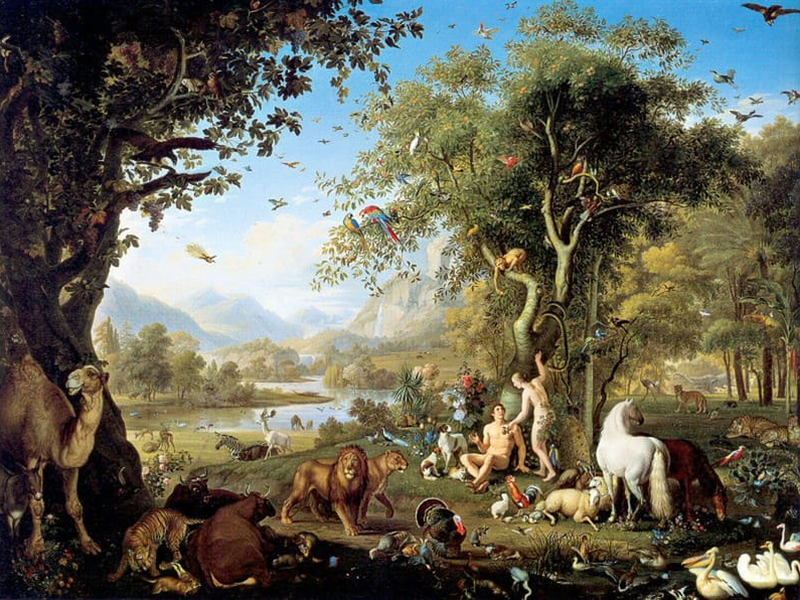
29994-adam-and-eve-in-the-garden-of-eden-800w-tn
Biblical Theology

Jesus in the Garden

Figure: Literary structure of the Garden narrative The Garden narrative describes God forming the adam , resting him in his presence, then provisioning for his appetites of food, vocation, and mate. It continues to describe a snake, the introduction of death, and humanity's expulsion from the garden. The pages of…

by Scott FairbanksJune 25, 2019
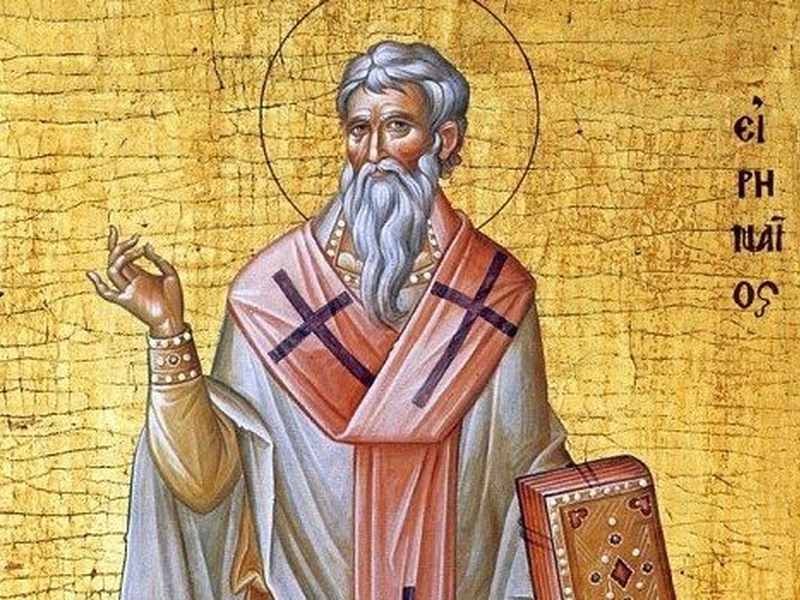
irenaeus-of-lyons-620x350
Christology

St. Irenaeus, the Beatific Vision, and the Instrumentalization of Creation

I’ve spent the last few years studying the theology of St. Irenaeus (d. circ. 200ad). In particular, I’ve been gripped by the way that Irenaeus consistently resisted the anti-body emphasis that emerged in later Christian theology. His eschatology is remarkably focused on the resurrection of the body, and the renewal…

by Gerald HiestandJune 18, 2019
aaron-burden-1ebsmyrau-s-unsplash
Exodus

The Light Before the Switch

Details of Jesus in Exodus 1:22-2:25 Although there are a great many Christ-types in the Old Testament, it is hard to overplay the obviousness of some that seem to necessarily rise to the top before others. One of these is Isaac, with his near sacrifice by his own father after…

by Eric RobinsonJune 11, 2019
thomas-habr-185321-unsplash
Biblical Theology

Characteristics of the Wicked City

What can we say about Cain's wicked sanctuary-city of Enoch? First that it was built with a brother's blood as its cornerstone. The Church is also built such, for Jesus was the younger brother of the whole Adamic race, slain by that company of older brothers because they hated Him.…

by James B. JordanJune 4, 2019
simon-caminada-107680-unsplash
Biblical Theology

Trees and Thorns

In Genesis 2:9 the ground brought forth trees good for food, delightful to view, and in two cases, life-giving or rule-bestowing. Adam, made of the ground (2:7), would by implication bring forth new trees, and thus trees and plants are among the symbols for human beings throughout the Bible. The…

by James B. JordanMay 28, 2019
annie-spratt-44241-unsplash
Biblical Theology

Trees for Food

One of the must fundamental teachings of the Bible and of the Christian religion is that man does not have life in himself. Man must get life from outside of himself, in order to maintain his life. The way this is done is through eating and drinking. Apart from life,…

by James B. JordanMay 21, 2019

Showing page 78 of 309

See all

Showing page 39 of 43

See all
Philosophy

Autonomy and Tragedy

Early in his Tragic Sense of Life , Unamuno captures the profound connection between autonomy and tragic character in a passage of hyperventilating passion: “The visible universe, the universe that is created by the instinct of self-preservation, becomes all to narrow for me. It is like a cramped cell, against…

December 10, 2003

Chiasm in Romans 3:19-31

There’s something chiastic going on in 3:19-31 (or maybe 2:25-3:30). A. by works of law no flesh shall be justified, 19-20 B. Apart from law, righteousness of God is revealed, 21 C. righteousness through faith in Jesus—> for all have sinned, 22-23 D. being justified as a gift through Jesus…

December 10, 2003
Literature

Spenserian Humor

A touch of Spenserian humor: Spenser has a witch create a false Florimell (Book 3) for her slothful and unattractive son, who is smitten with the beauty of the real Florimell. The witch uses materials from Petrarchan love sonnets to construct the lady ?Eactual lamps for eyes, actual golden wire…

December 9, 2003
Literature

Spenser and Milbank

Spenser might provide a Milbankian response to Milbank’s endorsement of homosexual sex and “threesomes.” In Book 3 of The Faerie Queene , Spenser’s heroine is Britomart, the lady knight who represents a militant chastity directed toward marital and sexual consummation rather than a fearful virginity that simply avoids sex. Britomart…

December 9, 2003
Literature

Hero and Eros

William Allan Oram in a book on Spenser writes that “one of the fruitful false etymologies of the Renaissance was the derivation of HERO from EROS: by this understanding, love does not hinder noble deeds but spurs them on.”

December 9, 2003
Literature

Shakespeare for Readers

Also in the November 7 TLS (belatedly on my desk) is a review of Lukas Erne’s Shakespeare as Literary Dramatist , in which Erne challenges the popularly accepted notion that Shakespeare was writing for viewers rather than readers. He shows that plays were being written for publication in Shakespeare’s time,…

December 9, 2003

Showing page 2154 of 2212

Browse by Category

In Medias Res

Your weekly digest for all things Theopolis.

Donate

Theopolis is nearly 100% donor-supported. Consider joining us on our mission.