Theopolis Logo

Writing

Explore our collection of theological essays, biblical studies, and reflections on faith and culture.

See all
or
Abortion

Political Hermeneutics: The Argument From Silence, Part 2

Click HERE for part 1. III This leads to a further question. I have argued that silence cannot by itself establish a Scriptural principle, but does Scripture’s silence carry any weight in itself? Does the fact that something is unbiblical in a weak sense tell us anything at all? In…

by Peter LeithartMarch 13, 1990
hebrew-manuscript-6
Biblical Chronology

Groping Through the Gaps

Although nowadays gap theories are associated with dispensationalism, it was not always so. In the nineteenth century, scholars from a variety of backgrounds (Anglican, Reformed, and proto-fundamentalist) seem to have become fascinated by gaps. If you are not familiar with what I am talking about, this newsletter will acquaint you…

by James B. JordanFebruary 26, 1990
or
Abortion

Political Hermeneutics: The Argument from Silence, Part 1

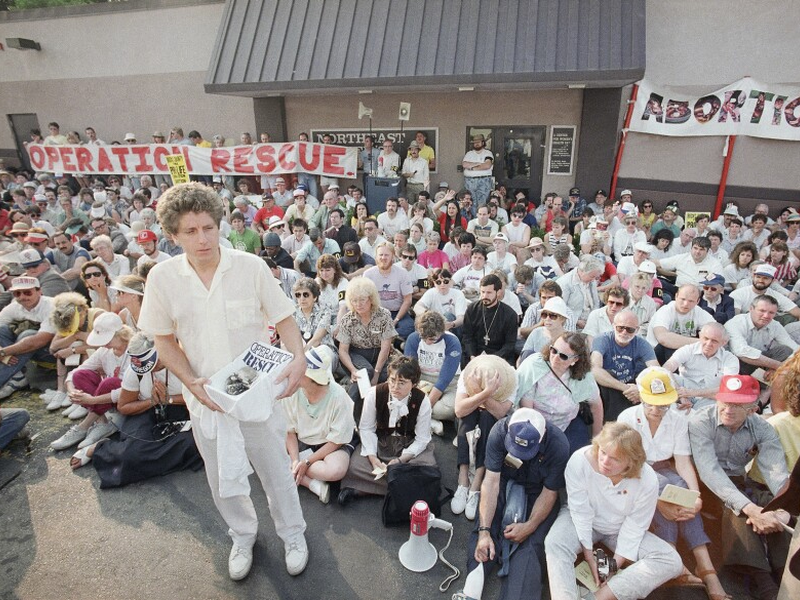
If the debate over Operation Rescue has proven anything, it has proven that there is absolutely no consensus among evangelicals in general, or among "reconstructionists" in particular, about how to use the Bible to judge political actions and movements. Each side of the debate claims biblical authority for its position,…

by Peter LeithartFebruary 13, 1990
49980-nicolas_poussin_-_the_judgment_of_solomon_-_wga18330-800w-tn
Biblical Studies

Advice From a Sojourner, Part 4

Two things I asked of Thee, Do not refuse me before I die: Keep deception and words of falsehood far from me, Give me neither poverty nor riches, Feed me with the food that it my portion, Lest I be full and deny Thee, And say, "Who is the LORD?"…

by James B. JordanFebruary 2, 1990
image-2
Biblical Horizons

Foucault’s Pendulum

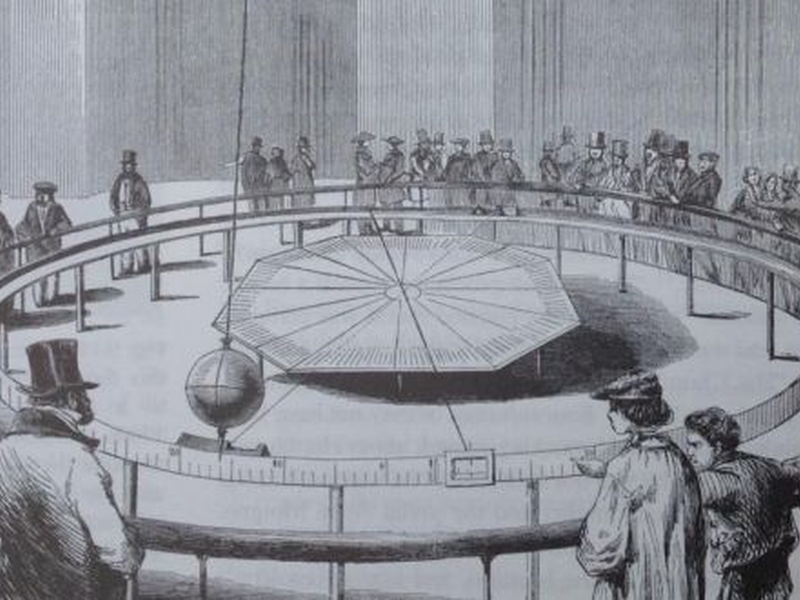
Umberto Eco’s "The Name of the Rose" was certainly one of the best literary works of the past decade, though the film version hardly measured up to it. Now Eco has given us a new novel, "Foucault’s Pendulum." Like Rose, Foucault’s Pendulum reflects on the limitations of human knowledge, and…

by James B. JordanJanuary 26, 1990
tanner-mardis-xuxghzhibn4-unsplash-1-2
Biblical Studies

What Is “Interpretive Maximalism”?

From time to time people ask me about "interpretive maximalism." They want to know what it is, and sometimes want to know if it represents some departure from the Reformed grammatico-historical, Biblico-theological approach to the Bible. I have something of a problem with these questions, because "interpretive maximalism" is not…

by James B. JordanJanuary 26, 1990

Showing page 305 of 309

See all

Showing page 39 of 43

See all
Liturgy

Sabbath Threshing

Solomon built the temple on the threshing floor that David bought from Araunah the Jebusite (2 Samuel 24; 2 Chronicles 3). What might that mean? Grain is threshed when an animal walks over it, sometimes dragging a threshing sledge, to separate the grain from the chaff. Threshed grain is winnowed,…

October 23, 2015
Art

Life and Culture Series

These are remarks delivered to introduce conductor John Mason Hodges as the first Birmingham Life and Culture speaker. This is the first of what we hope will be an annual lecture on the arts and culture. Each year, we’ll bring a painter, musician, poet, sculptor, novelist, critic, architect, or scholar…

October 22, 2015

Two Tables

Jesus’ action in the temple was a symbolic enactment of the coming destruction of the temple. The Jewish leaders had turned what should have been a house of prayer for the Gentiles into a den of brigands. Jesus overturned the tables and chairs to dramatize what lay on the horizon…

October 22, 2015

Double Time in Othello

AC Bradley ( Shakespearean Tragedy ) points out that Othello has an unusual structure for a Shakespeare tragedy. The main conflict doesn't arise until the third act, and then the pressure and movement is relentless from that point to the end. In the other tragedies, the crisis emerges earlier, Act…

October 22, 2015

The Quadrigal Form of Christian Thought

The quadriga - the fourfold sense, consisting of literal, allegorical, tropological, and anagogical - isn't only a “method” for interpreting Scripture but a framework for interpreting everything . Two assumptions guide my reflections here. First, medieval biblical scholars insisted that biblical allegory and typology was not merely a method of…

October 22, 2015
Rosenstock-Huessy

Listening

Theories of language, Rosenstock-Huessy comments, focus almost exclusive attention on the speaker or writer, and almost none on the listener: “Our philology is built around the process of talking, speaking, writing.” Listening is emphasized in “military training for obedience, understanding to psychology, listening and learning to acoustics and education.” But…

October 21, 2015

Showing page 360 of 2212

Browse by Category

In Medias Res

Your weekly digest for all things Theopolis.

Donate

Theopolis is nearly 100% donor-supported. Consider joining us on our mission.