Theopolis Logo

Writing

Explore our collection of theological essays, biblical studies, and reflections on faith and culture.

See all
or
Abortion

Political Hermeneutics: The Argument From Silence, Part 2

Click HERE for part 1. III This leads to a further question. I have argued that silence cannot by itself establish a Scriptural principle, but does Scripture’s silence carry any weight in itself? Does the fact that something is unbiblical in a weak sense tell us anything at all? In…

by Peter LeithartMarch 13, 1990

hebrew-manuscript-6
Biblical Chronology

Groping Through the Gaps

Although nowadays gap theories are associated with dispensationalism, it was not always so. In the nineteenth century, scholars from a variety of backgrounds (Anglican, Reformed, and proto-fundamentalist) seem to have become fascinated by gaps. If you are not familiar with what I am talking about, this newsletter will acquaint you…

by James B. JordanFebruary 26, 1990
or
Abortion

Political Hermeneutics: The Argument from Silence, Part 1

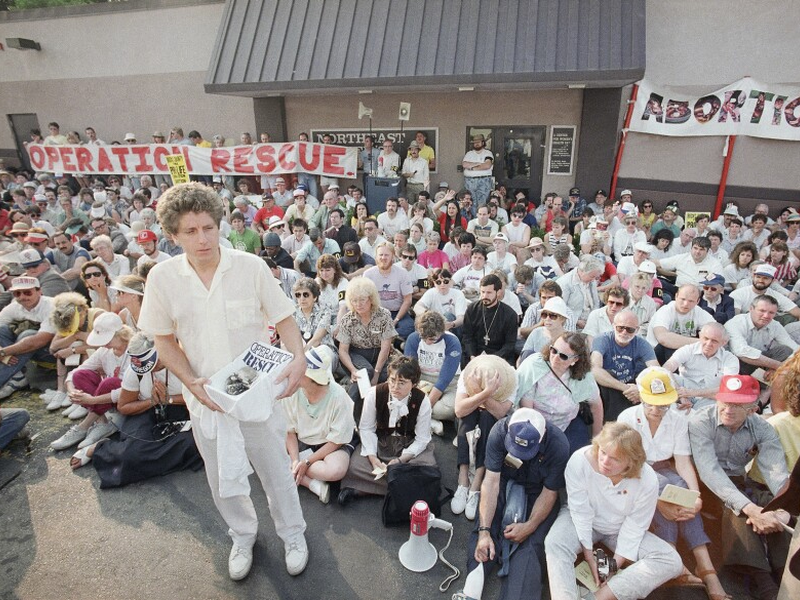
If the debate over Operation Rescue has proven anything, it has proven that there is absolutely no consensus among evangelicals in general, or among "reconstructionists" in particular, about how to use the Bible to judge political actions and movements. Each side of the debate claims biblical authority for its position,…

by Peter LeithartFebruary 13, 1990
49980-nicolas_poussin_-_the_judgment_of_solomon_-_wga18330-800w-tn
Biblical Studies

Advice From a Sojourner, Part 4

Two things I asked of Thee, Do not refuse me before I die: Keep deception and words of falsehood far from me, Give me neither poverty nor riches, Feed me with the food that it my portion, Lest I be full and deny Thee, And say, "Who is the LORD?"…

by James B. JordanFebruary 2, 1990
image-2
Biblical Horizons

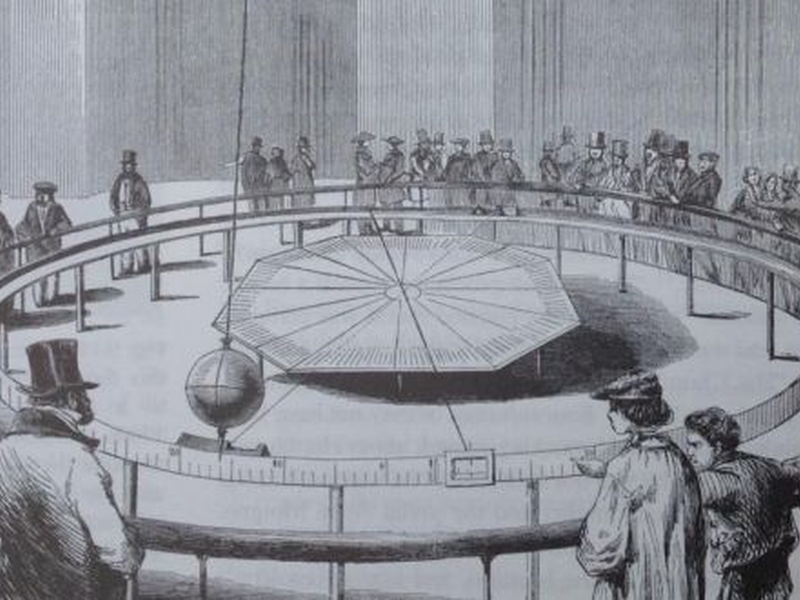
Foucault’s Pendulum

Umberto Eco’s "The Name of the Rose" was certainly one of the best literary works of the past decade, though the film version hardly measured up to it. Now Eco has given us a new novel, "Foucault’s Pendulum." Like Rose, Foucault’s Pendulum reflects on the limitations of human knowledge, and…

by James B. JordanJanuary 26, 1990
tanner-mardis-xuxghzhibn4-unsplash-1-2
Biblical Studies

What Is “Interpretive Maximalism”?

From time to time people ask me about "interpretive maximalism." They want to know what it is, and sometimes want to know if it represents some departure from the Reformed grammatico-historical, Biblico-theological approach to the Bible. I have something of a problem with these questions, because "interpretive maximalism" is not…

by James B. JordanJanuary 26, 1990

Showing page 305 of 309

See all
See all
Philosophy

Hyper-Cartesians

Walter Truett Anderson suggests that postmoderns may be distinguished from others by the fact that they not only have a culture, but know that they have it. Or, put differently: “You do not choose to be premodern. If you choose, you are at least modern. If you know you are…

November 9, 2006
Politics

Therapeutic politics

Christopher Lasch pointed to the therapeutic dimensions of 1960s radicalism: “Acting out fantasies does not end repressions . . . it merely dramatizes the permissible limits of antisocial behavior. In the sixties and early seventies, radicals who transgressed these limits, under the illusion they were fomenting insurrection or ‘doing gestalt…

November 9, 2006
Politics

PR Politics

Clem Whittaker, a pioneer in the political use of media during the 1930s and 40s, candidly explained his theory of campaigning in a speech to the PUblic Relations Society of America: “There are thousands of experts bidding for every man’s attention - and every man has a limited amount of…

November 9, 2006
History

Pseudo-war

Walter Truett Anderson points to the US invasion of Grenada (1983) as an example of a postmodern public-relations war: “its primary purpose was to give the American public a ‘win,’ to flex the muscles of the Reagan administration, to allow Americans to (in the phrase current at the time) ‘feel…

November 9, 2006

Poet or poem revisited

A reader, Dan Glover, sent the following response to my hints about the Christian as “poem.” “Christ, the eternal Word, indwells his people and his people corporate. He is the Word which controls us with his words (‘go, make disciples . . . baptizing them in the name of the…

November 9, 2006
History

Social Construction

Walter Truett Anderson suggests that postmodernism takes is rise from the recognition of the social construction of reality. This means: The institutions, practices, and habits that make up the contents of social life are made by human beings; and even natural reality is known and experienced through a linguistic and…

November 9, 2006

Showing page 1766 of 2212

Browse by Category

In Medias Res

Your weekly digest for all things Theopolis.

Donate

Theopolis is nearly 100% donor-supported. Consider joining us on our mission.