Theopolis Logo

Writing

Explore our collection of theological essays, biblical studies, and reflections on faith and culture.

See all
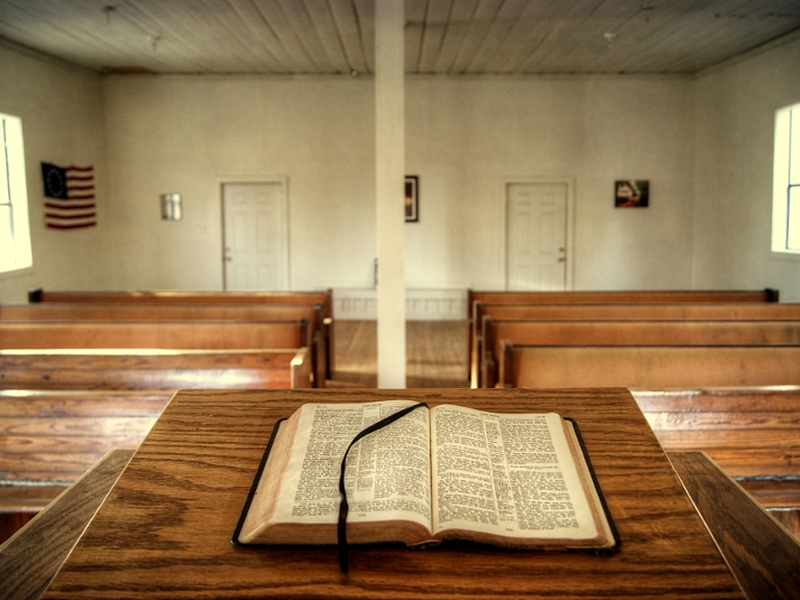
1ramoth-baptist-church-of-christ-7-bible
Pastoral Ministry

Rural Church Growth

I've pastored a very rural church for well over a decade. Our town has about 1,000 people and will never grow until Jesus returns. 38 people attend our worship on Sundays. Here's a quick list of what we’ve done to grow our church, and what I’ve done to survive pastorally.…

by TheopolisAugust 10, 2017

tim-marshall-k2u71wv2ei4-unsplash
Art

Letter to a Young Artist

Thanks for sharing so honestly about your current crisis of creativity. I totally understand and relate to that; it’s happened many times in my musical life thus far, and I’ve begun to accept it as a normal rhythm of the creative process. I actually went through a serious dry spell…

by Joel ClarksonAugust 8, 2017
catapult-poynter-crop-ti
Biblical Theology

Stones and Fruit: Divination and Procreation – (Part 3)

The Broken Stones of Israel At Sinai, the tablets of the Law of Moses were broken and restored. The Old Testament is a history of “new covenants,” including that promised in Jeremiah and fulfilled in Zechariah. Ultimately, the vertical Oath and the horizontal Sanctions met in the death of Jesus…

by Mike BullAugust 3, 2017
resurrection-2
Isaiah

God's Market, the Church

Woe to the sinful nation. Woe to those who enlarge their estates and build their portfolios. Woe to the drunks. Woe to those who call evil good and good evil. Woe to the proud who are wise in their own eyes. Woe to Congressmen who pass unjust laws and to…

by Peter LeithartAugust 1, 2017
paul
Romans

In the Flesh: Then and Now

The interpretation of Romans 7:7-25 is notoriously difficult. Good scholars disagree on many aspects of the passage, but the central interpretative difficulty concerns the identity of the “I.” Is Paul referring to himself? Is Paul referring to himself pre- or post-conversion? Does the “I” refer to Adam? Is the “I”…

by Bill SmithJuly 27, 2017
e99a1883
How to Worship

The Minister's Uniform

You board the Metra train at Arlington Heights station one afternoon, heading to downtown Chicago for some sight-seeing. As the train departs from the station, a man in jeans, a striped t-shirt, and a Kansas City Royals baseball cap enters your train car, and begins asking to see each passenger’s…

by Jon HerrJuly 25, 2017

Showing page 108 of 309

See all
See all
History

Smokin’ like a Christian

English fairs in earlier centuries displayed wares and displays from all over the world. At one there was an animal described as “a noble creature, which much resembled a Wild Hairy man” whose main skill was to doff his hat and show “his respects to the Company, and smoaks a…

October 14, 2006
Literature

The Moral of Henry V

Much of the moral and political import of Shakespeare’s Henry V is left to the audience’s or reader’s judgment. Is Henry a “pig” or is he the mirror of Christian kings? Is his invasion of France fair or foul? Shakespeare doesn’t show his hand, or not much; and one is…

October 14, 2006
Literature

The climax of Coriolanus

George Barnam notes the careful structure of Act 5 of Shakespeare’s Coriolanus: “Shakespeare had used this scene structurally to build the tension toward the climactic moment when Volumnia should appeal to her son and prevail. Three appeals are made to Marcius, and Shakespeare’s presentation of them matches in structure the…

October 14, 2006
History

Sports and the sacred

A reader wrote to respond to my suggestion that high culture is “sacred” and pop culture “profane,” citing the example of sports. Here’s my response: A football game often is a quasi-religious experience, but I’m not sure we use the same language to describe it. If someone slashed da Vinci’s…

October 14, 2006
Literature

Desacralized drama

In their “cultural history” of English drama, Simon Shepherd and Peter Womack summarize the argument of Glynne Wickham concerning the divorce of stage and sacred: “The English stage - so the argument runs - was predominantly a religious one until Elizabethan Protestantism forced a separation between theatre and the central…

October 14, 2006
History

Civil war and criticism

As Marsden describes it, the growth of neoclassical literary sensibilities developed in part in reaction to the chaos and disorder of the English civil war - following in this regard the development of late 17th century political theory. Orderliness, definiteness, clarity became virtues, while ambiguity, double entendres, and inconclusiveness became…

October 13, 2006

Showing page 1777 of 2212

Browse by Category

In Medias Res

Your weekly digest for all things Theopolis.

Donate

Theopolis is nearly 100% donor-supported. Consider joining us on our mission.