Theopolis Logo

Writing

Explore our collection of theological essays, biblical studies, and reflections on faith and culture.

See all
or
Abortion

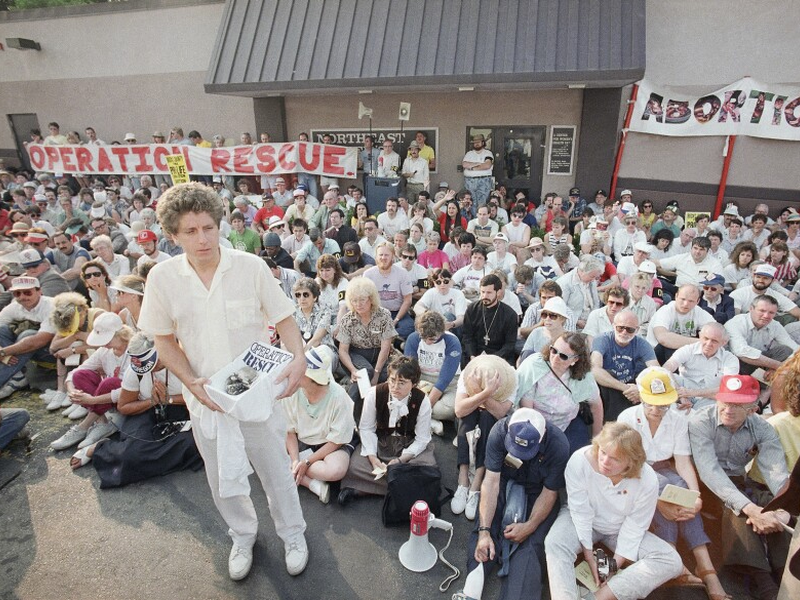
Political Hermeneutics: The Argument From Silence, Part 2

Click HERE for part 1. III This leads to a further question. I have argued that silence cannot by itself establish a Scriptural principle, but does Scripture’s silence carry any weight in itself? Does the fact that something is unbiblical in a weak sense tell us anything at all? In…

by Peter LeithartMarch 13, 1990
hebrew-manuscript-6
Biblical Chronology

Groping Through the Gaps

Although nowadays gap theories are associated with dispensationalism, it was not always so. In the nineteenth century, scholars from a variety of backgrounds (Anglican, Reformed, and proto-fundamentalist) seem to have become fascinated by gaps. If you are not familiar with what I am talking about, this newsletter will acquaint you…

by James B. JordanFebruary 26, 1990
or
Abortion

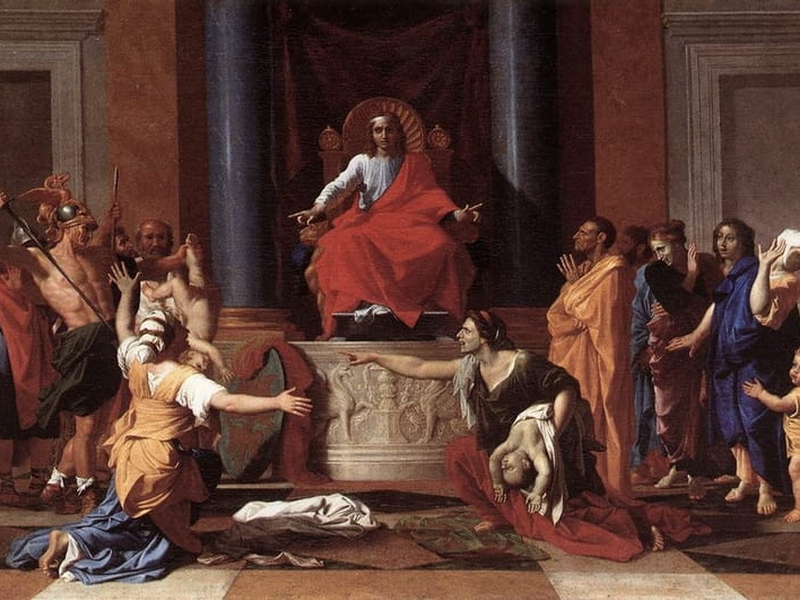
Political Hermeneutics: The Argument from Silence, Part 1

If the debate over Operation Rescue has proven anything, it has proven that there is absolutely no consensus among evangelicals in general, or among "reconstructionists" in particular, about how to use the Bible to judge political actions and movements. Each side of the debate claims biblical authority for its position,…

by Peter LeithartFebruary 13, 1990
49980-nicolas_poussin_-_the_judgment_of_solomon_-_wga18330-800w-tn
Biblical Studies

Advice From a Sojourner, Part 4

Two things I asked of Thee, Do not refuse me before I die: Keep deception and words of falsehood far from me, Give me neither poverty nor riches, Feed me with the food that it my portion, Lest I be full and deny Thee, And say, "Who is the LORD?"…

by James B. JordanFebruary 2, 1990
image-2
Biblical Horizons

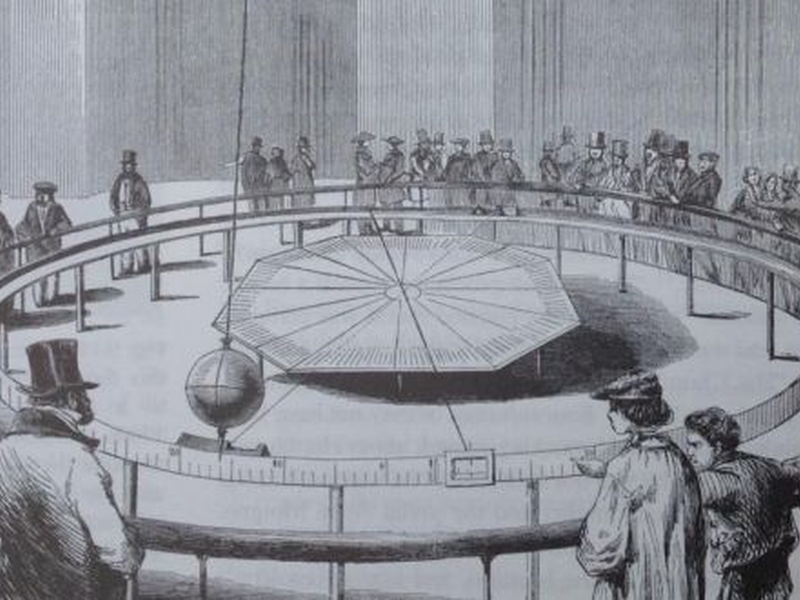
Foucault’s Pendulum

Umberto Eco’s "The Name of the Rose" was certainly one of the best literary works of the past decade, though the film version hardly measured up to it. Now Eco has given us a new novel, "Foucault’s Pendulum." Like Rose, Foucault’s Pendulum reflects on the limitations of human knowledge, and…

by James B. JordanJanuary 26, 1990
tanner-mardis-xuxghzhibn4-unsplash-1-2
Biblical Studies

What Is “Interpretive Maximalism”?

From time to time people ask me about "interpretive maximalism." They want to know what it is, and sometimes want to know if it represents some departure from the Reformed grammatico-historical, Biblico-theological approach to the Bible. I have something of a problem with these questions, because "interpretive maximalism" is not…

by James B. JordanJanuary 26, 1990

Showing page 305 of 309

See all
See all

Raunch Culture

Ariel Levy, Female Chauvinist Pigs: Women and the Rise of Raunch Culture . New York: Free Press, 2005. 224 pp. “Raunch Culture” involves the mainstreaming of pornography and strip clubs, Howard Stern interviewing topless women, college girls flashing for the camera on Girls Gone Wild videos, skanky fashions marketed to…

April 24, 2006

Eucharistic Meditation, Second Sunday of Easter

2 Kings 16:7: Ahaz sent messengers to Tiglath-pileser king of Assyria, saying, I am your servant and your son. As we’ve seen in the sermon this morning, the changes Ahaz makes to the temple are intended to ingratiate himself to Tiglath-pileser and reflect Ahaz’s chastened sense of his own position…

April 23, 2006
Theology

Exhortation, Second Sunday of Easter

Easter is about faith, because Easter is about light. Jesus came as Light from the Father of lights into a world darkened by sin and death, and His light shone especially at the resurrection. At His resurrection, His “appearance was like lightning, and His garment as white as snow” (Matt.…

April 23, 2006

No King But Caesar

Thanks to Toby Sumpter, Peter Roise, and Joshua Appel for the discussion that led to these observations. How should we take the phrase “because of the king of Assyria” in v. 18? It has sometimes been taken to mean that Tiglath-Pileser forced liturgical changes on Ahaz, but recent studies of…

April 22, 2006

Fellowship and cleansing

1 John 1:7 says “if we walk in the light as He is Himself is in the light, we have fellowship with one another, and the blood of Jesus His Son cleanses us from all sin.” We expect the sequence: If we walk in light, the blood of Jesus cleanses…

April 22, 2006

“The King”

2 Kings 16:12 describes Ahaz’s consecration of the altar built from the prototype in Damascus. Three times in that verse he is called “the king,” and in this designation, the author of Kings picks up the technique employed in 1 Kings 13 to describe Jeroboam’s consecration of the altar at…

April 20, 2006

Showing page 1852 of 2212

Browse by Category

In Medias Res

Your weekly digest for all things Theopolis.

Donate

Theopolis is nearly 100% donor-supported. Consider joining us on our mission.