Theopolis Logo

Writing

Explore our collection of theological essays, biblical studies, and reflections on faith and culture.

See all
paul-stoned
Romans

Hymn of the Justified

Romans 8:31-39 is better sung than commented upon. It’s a thrilling, ecstatic hymn of boisterous assurance that God’s purposes will be accomplished. Yet, I will attempt to comment on them. If we sing Paul’s hymn, let’s make sure we sing with understanding. Given the character of these verses, it’s easy…

by Peter LeithartJuly 20, 2017

baby-driver
Culture

Growing up Nostalgic: Perpetual Adolescence and the Kingdom Come

"An ethic unshaped by eschatology is neither Jesus’ nor Christian.” - Tremper Longman How does an immature culture grow up? Edgar Wright’s Baby Driver is about the dangers of being lost in adolescence. By the end of the movie, the viewer is pointed to a road we infer leads to…

by Dustin MesserJuly 18, 2017
e99a1541
Theopolis News

The Theopolitan Society

We are in the middle of our campaign for the end of the fiscal year. We've raised $30,000 from some major donors, and need to raise another $70,000 to meet our budget. Please consider becoming a regular donor , and keep reading to learn about a great opportunity. This brief…

by Brian MoatsJuly 17, 2017
cross-2
Baptism

Strong Magic Takes Blood

Prolegomena 1. “You’re a pastor,” my new friend says as we sit down, “and you’re a massage therapist. How does that work?” To her, Christianity implies stuffy ideology, a disregard of the physical. A Christian massage therapist is an oddity; a pastor massage therapist is nearly a contradiction in terms.…

by Tim NicholsJuly 13, 2017
polandshutterstock
Politics

Why Poles Love Trump

54% of Poles think favorably of Americans, only 13% unfavorably, according to Centrum Badania Opinii Spolecznej . Ten years ago, the numbers were 44% and 21% respectively. Twenty years ago, they were 64% and 6%. Back in the 1990s, Americans were the most liked nation among Poles. Now they are…

by Bogumil JarmulakJuly 11, 2017
friberg-tencommandments
Biblical Theology

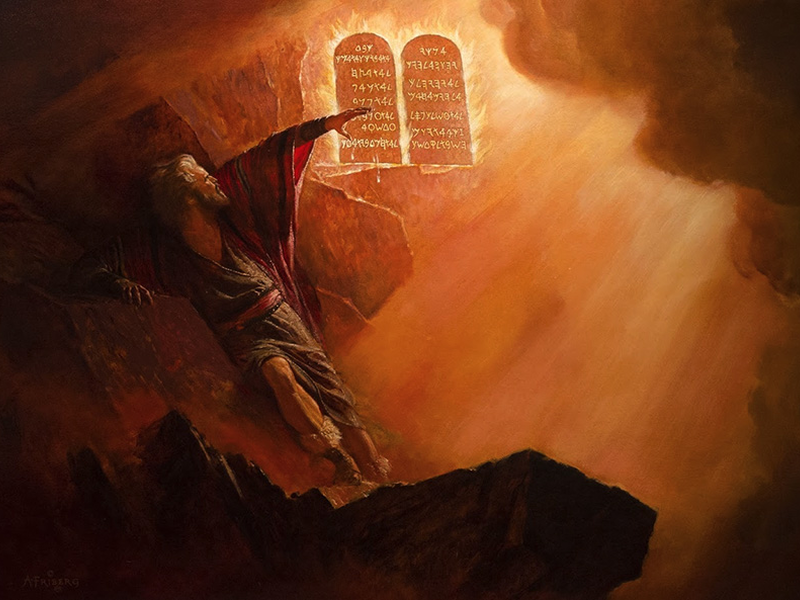
Stones and Fruit: Divination and Procreation – (Part Two)

Stones of Life and Death Of course, the sex of a child is not a choice between light and darkness or life and death. Sex, like circumcision, is a horizontal demarcation, a delegation of roles within humanity. In contrast, the white stone and the black stone within the “liturgical scrotum”…

by Mike BullJuly 7, 2017

Showing page 109 of 309

See all
See all

Conference

If you’re in the vicinity of Duke, you might be interested in a conference sponsored by the Center for Catholic and Evangelical Theology, in cooperation with the Duke Divinity School, on May 21-23, at Duke. The theme is “Preaching, Teaching, and Living the Bible.” Speakers include Robert Jenson, Rusty Reno,…

March 30, 2006
Literature

Garber on Merchant

Marjorie Garber has, as usual, some insightful things to say about Merchant of Venice: 1) She describes the play as “Shakespeare’s great play about difference,” pointing to the apparent stark contrasts of Christian and Jew, Venice and Belmont, male and female. Yet, she also notes that the play is busy…

March 29, 2006
Literature

Biblical echoes in Merchant of Venice

A.R. Braunmuller offers some suggestive comments in his introduction to the Merchant of Venice in the Pelican Shakespeare. Having summarized Portia’s speech (which he suggests might be a “setup that turns on a technicality” that “turns back on Shylock a legal rigidity he had been duped into demanding”), he notes…

March 29, 2006

Hypostatic union

Thomas argues that “if the human nature is not united to God the Word in person, it is not united to him in any way, and thus belief in the incarnation is altogether done away with, which subverts the entire Christian faith.” But since there is a union, it must…

March 29, 2006

Aquinas and Chalcedon

Frederick Bauerschmidt claims that “Aquinas is in fact the first medieval theologian in the West to quote directly from the Council of Chalcedon.” This is remarkable on all sorts of levels, not least because of the questions it raises about the authority of the ecumenical councils in medieval thought.

March 29, 2006
Theology

Gift and Gratitude in the Middle Ages

INTRODUCTION Seneca’s de Beneficiis was known to the Christian Middle Ages, as were some of the gift and gratitude customs of the Roman world. We’ll examine the use that Aquinas makes of Seneca when we get to the Summa later this week. But in addition to these ancient sources, medieval…

March 28, 2006

Showing page 1865 of 2212

Browse by Category

In Medias Res

Your weekly digest for all things Theopolis.

Donate

Theopolis is nearly 100% donor-supported. Consider joining us on our mission.