Theopolis Logo

Writing

Explore our collection of theological essays, biblical studies, and reflections on faith and culture.

See all
306124rgsdl
Job

Job: The Baiting of Satan

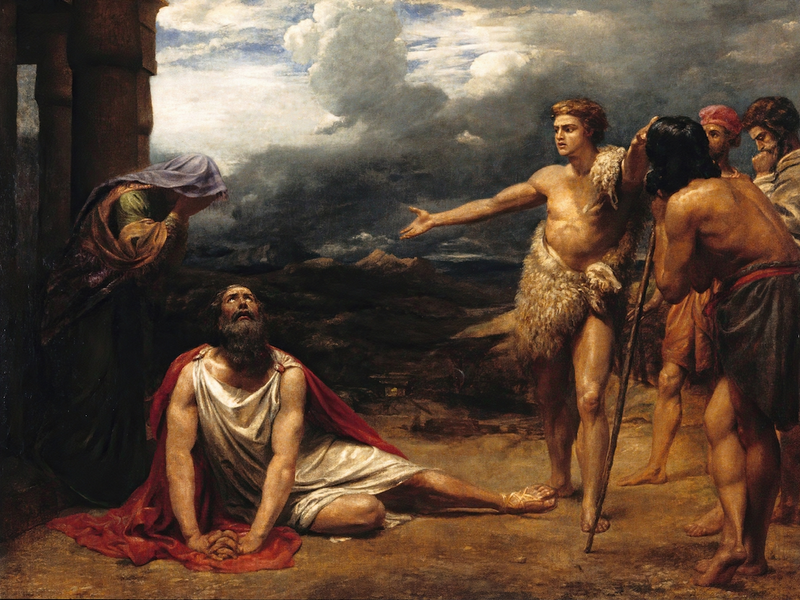
Job appears in the Bible as a true story and it is regarded as such in other Scripture: As an example of suffering and patience, brothers, take the prophets who spoke in the name of the Lord. Behold, we consider those blessed who remained steadfast. You have heard of the…

by Mark HorneNovember 29, 2023

jed-owen-q6y8xr3soqa-unsplash
Feast

Gratitude is a Weapon

Thanksgiving is warfare. Gratitude is a weapon. Wield it well. Give thanks for the preparation. The hustle and bustle, the messy kitchen, the endless cleaning, the extra chairs, and stained tablecloths sing the song of hospitality. God desires that we prepare a place for friends and strangers, feasting and laughing,…

by Kyle LammottNovember 23, 2023
james-coleman-tcgu1vactdw-unsplash
Ecclesiastes

Notes on Ecclesiastes 2

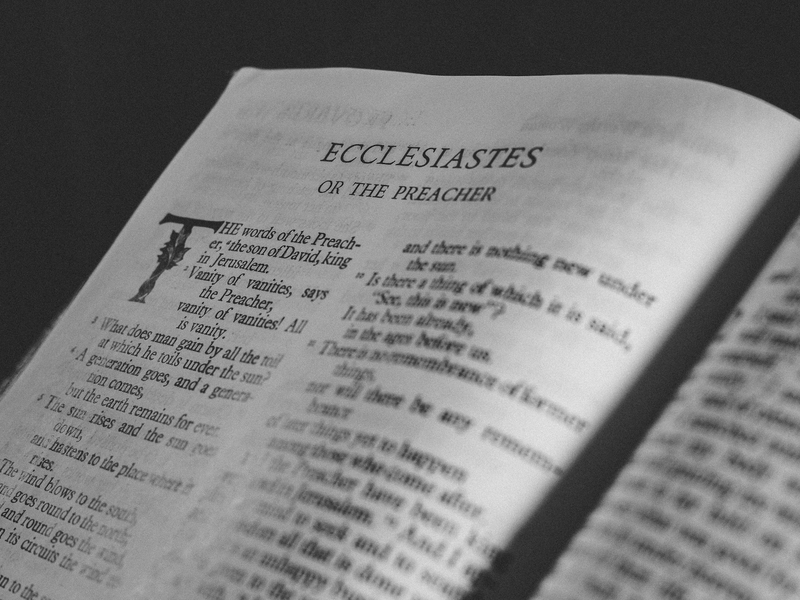
We often hear that, along with Leviticus, Ecclesiastes is the “most peculiar book,” lurking in the Bible’s back alley. 1 But it is high time that we retire this old dirge. God has concealed much gold here, therefore much glory is ours if we are careful to read Solomon’s wisdom…

by Gage CrowderNovember 22, 2023
306124rgsdl
Job

Dominion Mandate Scorecard

1 Do you know when the mountain goats give birth? Do you observe the calving of the does? 2 Can you number the months that they fulfill, and do you know the time when they give birth? Job 39 We have and we do, Lord God. Spring is calving season.…

by Jonathan WhiteNovember 15, 2023
kelly-sikkema-ggs0_g6wi-i-unsplash
Exodus

The Christian Week is a Melody

For six days work may be done, but on the seventh day you shall have a holy day, a Sabbath of complete rest to Yahweh. - Exodus 35:2 The instructions for building the tabernacle end with a Sabbath command and the narrative about building begins with a Sabbath command, before…

by Peter LeithartNovember 8, 2023
giotto_-_scrovegni_-_-31-_-_kiss_of_judas
Sin

Simoniacs in the Bible

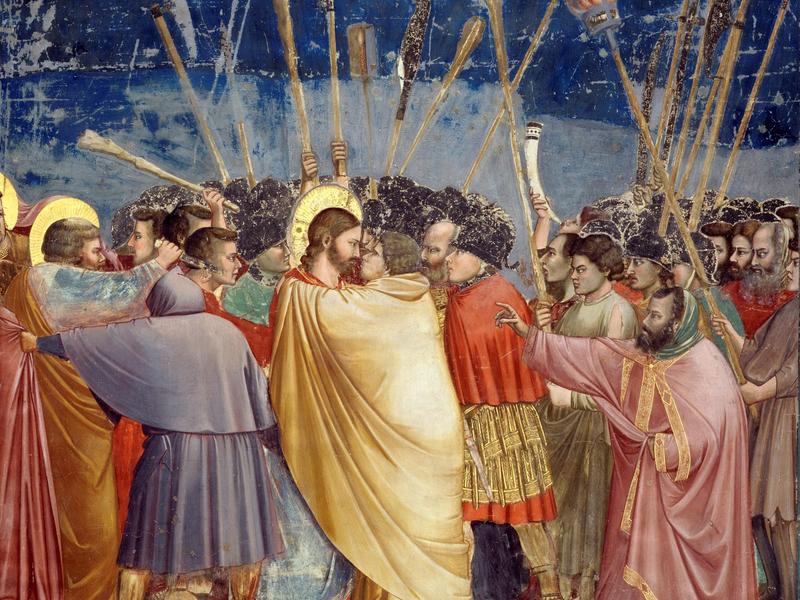
High in the list of now forgotten sins is simony. It was not always so: the medieval schoolmen believed simony to be the worst of ecclesiastical crimes and waged a centuries long campaign to purge the Church of this financial and spiritual corruption. As the schoolmen robustly defined it, “simony…

by Samuel KlumpenhouwerNovember 3, 2023

Showing page 26 of 309

See all
See all

Conference

If you’re in the vicinity of Duke, you might be interested in a conference sponsored by the Center for Catholic and Evangelical Theology, in cooperation with the Duke Divinity School, on May 21-23, at Duke. The theme is “Preaching, Teaching, and Living the Bible.” Speakers include Robert Jenson, Rusty Reno,…

March 30, 2006
Literature

Garber on Merchant

Marjorie Garber has, as usual, some insightful things to say about Merchant of Venice: 1) She describes the play as “Shakespeare’s great play about difference,” pointing to the apparent stark contrasts of Christian and Jew, Venice and Belmont, male and female. Yet, she also notes that the play is busy…

March 29, 2006
Literature

Biblical echoes in Merchant of Venice

A.R. Braunmuller offers some suggestive comments in his introduction to the Merchant of Venice in the Pelican Shakespeare. Having summarized Portia’s speech (which he suggests might be a “setup that turns on a technicality” that “turns back on Shylock a legal rigidity he had been duped into demanding”), he notes…

March 29, 2006

Hypostatic union

Thomas argues that “if the human nature is not united to God the Word in person, it is not united to him in any way, and thus belief in the incarnation is altogether done away with, which subverts the entire Christian faith.” But since there is a union, it must…

March 29, 2006

Aquinas and Chalcedon

Frederick Bauerschmidt claims that “Aquinas is in fact the first medieval theologian in the West to quote directly from the Council of Chalcedon.” This is remarkable on all sorts of levels, not least because of the questions it raises about the authority of the ecumenical councils in medieval thought.

March 29, 2006
Theology

Gift and Gratitude in the Middle Ages

INTRODUCTION Seneca’s de Beneficiis was known to the Christian Middle Ages, as were some of the gift and gratitude customs of the Roman world. We’ll examine the use that Aquinas makes of Seneca when we get to the Summa later this week. But in addition to these ancient sources, medieval…

March 28, 2006

Showing page 1865 of 2212

Browse by Category

In Medias Res

Your weekly digest for all things Theopolis.

Donate

Theopolis is nearly 100% donor-supported. Consider joining us on our mission.