Theopolis Logo

Writing

Explore our collection of theological essays, biblical studies, and reflections on faith and culture.

See all
tomas-kirvela-rnunz9fnr8e-unsplash
Biblical Theology

Look to the Birds

The Bible reader that is mindful of patterns, is aware of the creation markers of Noah's flood. The Earth is deformed and is made into a ball of water, which then is made new with new promises and obligations to the New Adam (Noah) and his offspring. One of the…

by Matthew CoreyOctober 12, 2021
pablo-picasso-guernica
Art

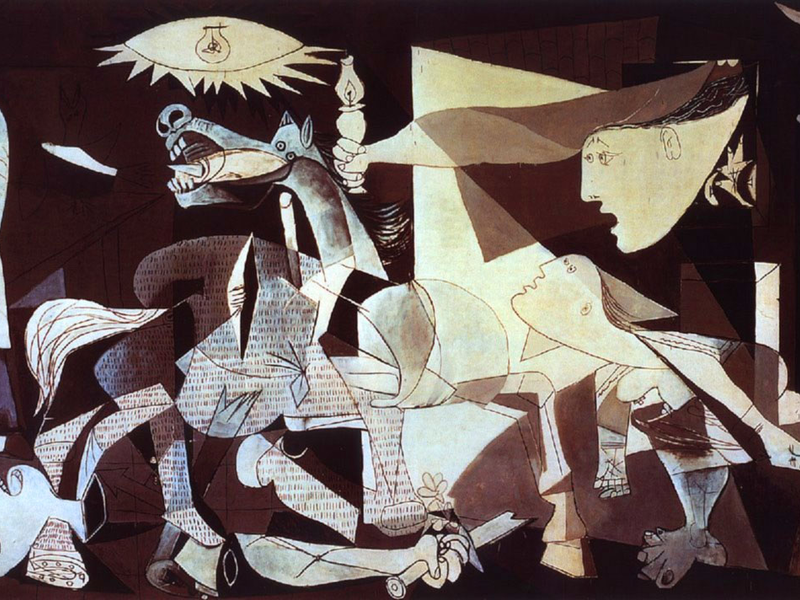
The Ethical Nude

Exposing Nakedness “Picasso did not paint for the eyes but for the gut. He painted for the gut that the eyes might be opened.” I was at ease, and he broke me apart; he seized me by the neck and dashed me to pieces. (Job 16:12) One only has to…

by Mike BullOctober 5, 2021
stefan-vladimirov-q_moi2xjieu-unsplash
Coronavirus

A Modest Proposal

For preventing the unvaccinated people in Mississippi from being a burden on their friends, teachers, or waiters, and for making them beneficial to the public. Dr. Jonathan Swift It is a melancholy object to those who walk through a great southern college town, or travel throughout Mississippi, when they see…

by Jonathan BarlowSeptember 28, 2021
vladimir-fedotov-ij4wyjq1eai-unsplash
Coronavirus

The COVID Regime as Stoicheic Order

Throughout the world, governments are aggressively pushing COVID vaccines. Some have instituted mandates or vaccine passports. Many are losing patience with the unvaccinated, even proposing that they have forfeited the right to certain health services . The unvaccinated have become deplorables—the undeserving sick. This COVID regime has been bolstered by…

by James WoodSeptember 21, 2021
tanner-mardis-xuxghzhibn4-unsplash-1-2
Biblical Chronology

Groping Through the Gaps

Although nowadays gap theories are associated with dispensationalism, it was not always so. In the nineteenth century, scholars from a variety of backgrounds (Anglican, Reformed, and proto-fundamentalist) seem to have become fascinated by gaps. If you are not familiar with what I am talking about, this piece will acquaint you…

by James B. JordanSeptember 14, 2021
abraham-and-isaac-from-below-2
Biblical Studies

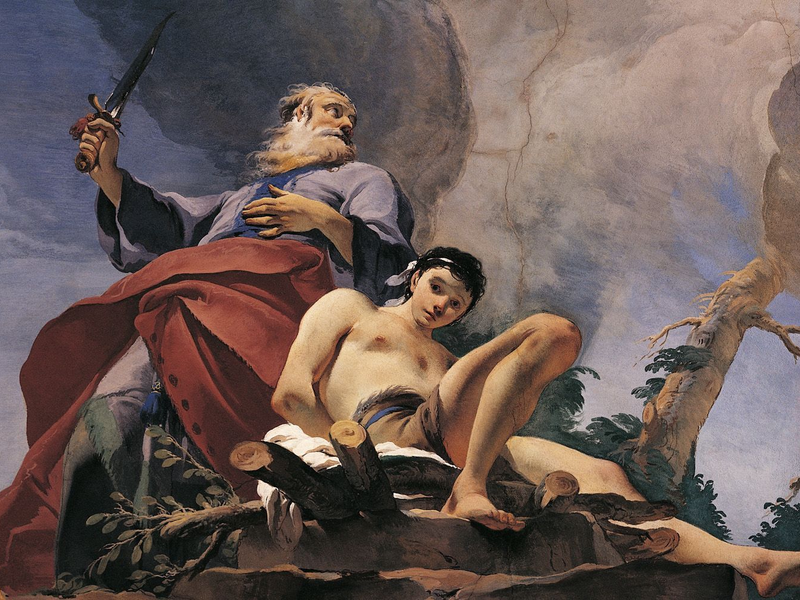
Snakes and Ladders

What kind of father gives his son a stone when he asks for bread, or a serpent when he asks for a fish? The answer is, the Heavenly Father! Jesus rarely stated the obvious, and this particular question in His Sermon on the Mount concerning the fatherhood of God is…

by Mike BullSeptember 7, 2021

Showing page 51 of 309

See all
See all

Conveniens

Bauerschmidt notes that Aquinas frequently argues, especially when speaking of the incarnation, not for “proof” of doctrine but for its “fittingness.” Reason has the role of “manifesting how [the incarnation] fits together (convenire means literally ‘to come together’) with other things that Christians hold true about God.” Perhaps this can…

March 23, 2006

Extra-Augustinisticum

In Epistle 137, Augustine writes: “The Christian teaching nowhere holds that God was so poured into human flesh as either to desert or lose - or to transfer and, as it were, compress within this frail body - the care of governing the universe. This is the thought of people…

March 23, 2006

Thomas on Merit

Commenting on ST I-II, q. 109, Frederick Bauerschmidt says that Thomas uses the word “merit” analogically when we speak of God rewarding human action “since we can act in the first place only because God has given us the capacity to act.” This applies even to Jesus: “even when Thomas…

March 23, 2006

On Seneca, de Beneficiis, Books 1-2

Seneca suggests that ingratitude is the worst of vices, and nothing is more “harmful to society” than ingratitude (I.1). Later in Book I, he lists a series of moral ills that plague society – “homicides, tyrants, thieves, adulterers, ravishers, sacrilegious, traitors” – but concludes that “worse than all these is…

March 23, 2006
Literature

Prospero the Magus

I am grateful to Ralph Smith for references to Frances Yates’ work on Shakespeare’s plays. In an analysis of The Tempest, Frances Yates writes: “It is inevitable and unavoidable in thinking of Prospero to bring in the name of John Dee, the great mathematical magus of whom Shakespeare must have…

March 22, 2006
History

Elizabethan Magic

Educated Elizabethans lived in a world of similitudes. As EMW Tillyard argued, the Elizabethan world picture was constituted by a series of analogous chains of being. The social world manifested and was manifested by the natural world; the universe as a whole resembled human beings; there was a hierarchy among…

March 22, 2006

Showing page 1867 of 2212

Browse by Category

In Medias Res

Your weekly digest for all things Theopolis.

Donate

Theopolis is nearly 100% donor-supported. Consider joining us on our mission.