Theopolis Logo

Writing

Explore our collection of theological essays, biblical studies, and reflections on faith and culture.

See all
tanner-mardis-xuxghzhibn4-unsplash-1-2
Biblical Studies

Tweets-turned-Notes on the Bible’s Chronology

Summary In what follows, I will consider the “year-stamps” employed in Scripture, i.e., statements of the form, “Such-and-such an event took place in the Xth year of Y.” In the process, I will suggest some ways in which the Biblical narrative might relate to events in the extra-Biblical world, though…

by James BejonJuly 16, 2019
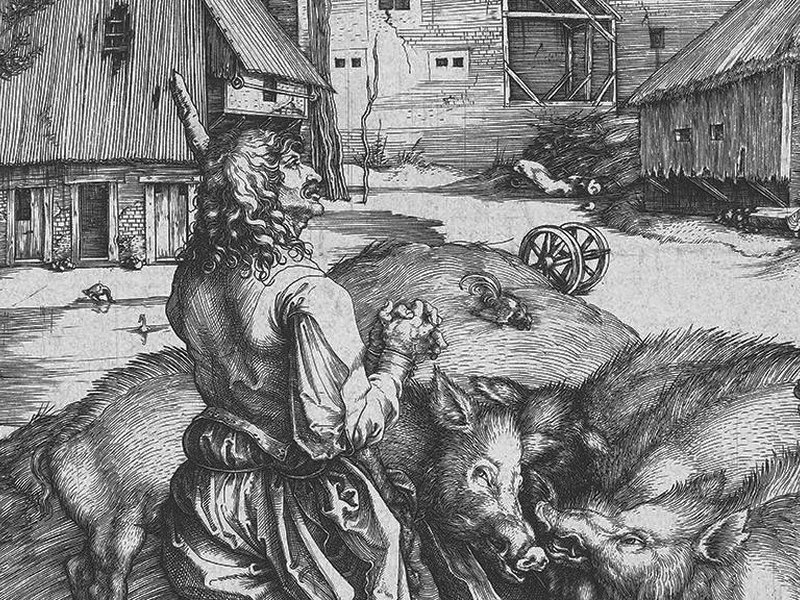
durer-prodigal-son-2
Luke

Perspectives on the Prodigal, (Part 2)

In the first essay on the parable of the Prodigal Son, I suggested that the problems commentators and others encounter in interpreting Jesus three-part parable are not accidental. These are not just problems in our ignorance of cultural background. They are intentional features of the stories —stories designed to poke…

by Ralph Allan SmithJuly 11, 2019
durer-prodigal-son-2
Luke

Perspectives on the Prodigal, (Part 1)

The story of the Prodigal Son is perhaps the most well-known story in the Bible. As others have observed, it may also be one of the most misunderstood. In two short essays, I will point out features of this story that are commonly neglected, aspects of Jesus’ parable that might…

by Ralph Allan SmithJuly 9, 2019
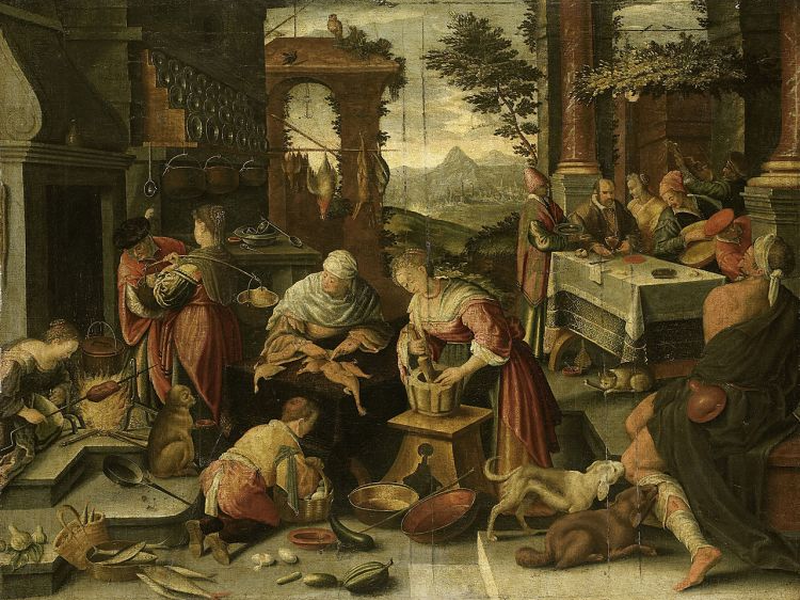
de-rijke-man-en-de-arme-lazarus-by-jacopo-da-ponte-16th-century
Luke

Lazarus and the Rich Man

The parable of Lazarus and the nameless rich man is not an independent story. It is part of a long context that begins in Luke 15:1, where Jesus is eating with tax collectors and sinners and the scribes and Pharisees grumble. In response to their hardheartedness, Jesus tells a three-part…

by Ralph Allan SmithJuly 4, 2019
aaron-burden-uynrnfdkjwg-unsplash
Luke

Everybody has Dropsy - Luke 14:1-24

The Bible is written so that even when a reader cannot pick up on what might be deeper or more detailed aspects of a text, there is virtually always a message to be heard. In the ancient world, where the “reader” of Scripture would likely be a church official facing…

by Ralph Allan SmithJuly 2, 2019
communion
Biblical Theology

Fruit Trees and Grain Plants

The distinction between garden (or vineyard) and field begins in Genesis 2. This relates to the ordering of the formless world. Plants of the field are contrasted with the garden planted by God in Genesis 2:5&8. Later on, under the Old Covenant the Israelites will be required to keep their…

by James B. JordanJune 27, 2019

Showing page 77 of 309

See all
See all
Literature

Wormwood and Rotten Denmark

During the staging of his play before the king, Hamlet mutters the word “Wormwood.” Why? Irwin Matus suggests the following: “Rarely glossed in editions of the play, wormwood is accepted as meaning only something bitter, from the taste of the plant of that name. However, the plant was also used…

August 22, 2005
Literature

Sacral politics in Shakespeare

Shakespeare’s two tetrologies on English history trace the shift from a sacrally based political order (Richard II) to a “Machiavellian” one (Richard III). That is the sequence of actual history. But the sequence of Shakespeare’s composition is different. Shakespeare wrote the historically later tetrology (2 Parts of Henry VI and…

August 22, 2005

Proving grace

Markus Barth highlights the judicial cast of Paul’s statement in Ephesians 2:7 that we “show the surpassing riches of His grace.” The verb “show” or “prove” is a lawcourt term, pointing to the presentation of evidence or a judicial demonstration. God has raised us up in Jesus to the heavenly…

August 21, 2005

Communion meditation, August 21

Ephesians 2:14: He Himself is our peace. Jesus is the one who brings peace between God and man. He has reconciled us to God, and brought near those who have been far off. But in our sermon text Paul is chiefly concerned with the peace that Jesus has brought between…

August 21, 2005

Exhortation, August 21

According to Paul, the church is being built into a holy dwelling, a temple in which the Spirit dwells. This has many implications, but let me highlight one. According to the Old Testament, temples were holy places whose holiness had to be guarded and defended. Levites guarded the tabernacle and…

August 21, 2005

Wise as serpents

From Francis Bacon’s De Augmentis Scientiarum , 7.1: “For as the fable goes of the basilisk, that if he sees you first, you die for it, but if you see him first, he dies; so itis with deceits, impostures, and evil arts, which, if they be first espied, they lose…

August 20, 2005

Showing page 1953 of 2212

Browse by Category

In Medias Res

Your weekly digest for all things Theopolis.

Donate

Theopolis is nearly 100% donor-supported. Consider joining us on our mission.