Theopolis Logo

Writing

Explore our collection of theological essays, biblical studies, and reflections on faith and culture.

See all
or
Abortion

Political Hermeneutics: The Argument From Silence, Part 2

Click HERE for part 1. III This leads to a further question. I have argued that silence cannot by itself establish a Scriptural principle, but does Scripture’s silence carry any weight in itself? Does the fact that something is unbiblical in a weak sense tell us anything at all? In…

by Peter LeithartMarch 13, 1990

hebrew-manuscript-6
Biblical Chronology

Groping Through the Gaps

Although nowadays gap theories are associated with dispensationalism, it was not always so. In the nineteenth century, scholars from a variety of backgrounds (Anglican, Reformed, and proto-fundamentalist) seem to have become fascinated by gaps. If you are not familiar with what I am talking about, this newsletter will acquaint you…

by James B. JordanFebruary 26, 1990
or
Abortion

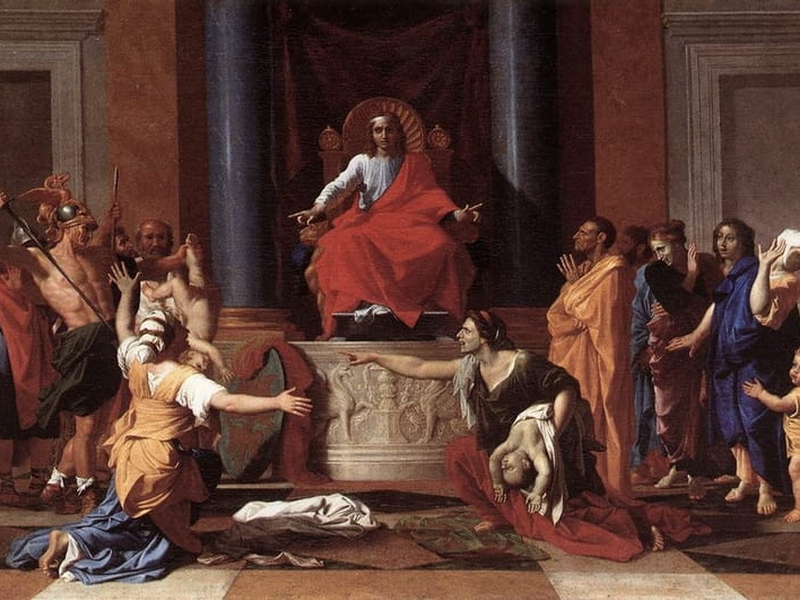
Political Hermeneutics: The Argument from Silence, Part 1

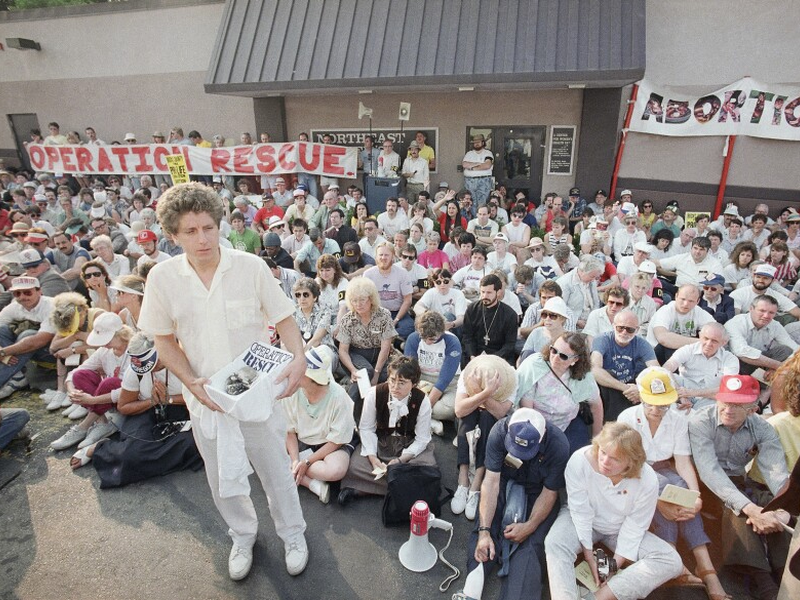
If the debate over Operation Rescue has proven anything, it has proven that there is absolutely no consensus among evangelicals in general, or among "reconstructionists" in particular, about how to use the Bible to judge political actions and movements. Each side of the debate claims biblical authority for its position,…

by Peter LeithartFebruary 13, 1990
49980-nicolas_poussin_-_the_judgment_of_solomon_-_wga18330-800w-tn
Biblical Studies

Advice From a Sojourner, Part 4

Two things I asked of Thee, Do not refuse me before I die: Keep deception and words of falsehood far from me, Give me neither poverty nor riches, Feed me with the food that it my portion, Lest I be full and deny Thee, And say, "Who is the LORD?"…

by James B. JordanFebruary 2, 1990
image-2
Biblical Horizons

Foucault’s Pendulum

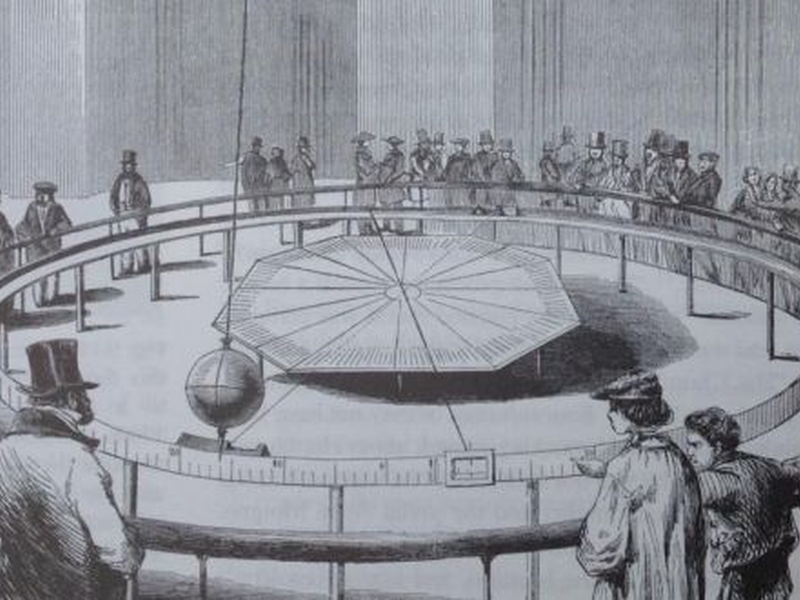
Umberto Eco’s "The Name of the Rose" was certainly one of the best literary works of the past decade, though the film version hardly measured up to it. Now Eco has given us a new novel, "Foucault’s Pendulum." Like Rose, Foucault’s Pendulum reflects on the limitations of human knowledge, and…

by James B. JordanJanuary 26, 1990
tanner-mardis-xuxghzhibn4-unsplash-1-2
Biblical Studies

What Is “Interpretive Maximalism”?

From time to time people ask me about "interpretive maximalism." They want to know what it is, and sometimes want to know if it represents some departure from the Reformed grammatico-historical, Biblico-theological approach to the Bible. I have something of a problem with these questions, because "interpretive maximalism" is not…

by James B. JordanJanuary 26, 1990

Showing page 305 of 309

See all
See all

The “N” in NGO

N ongovernmental organizations have been on my radar since I heard a pro-family activist from Ireland describe the array of forces pressing for approval of same-sex marriage—many political leaders, business leaders, some church leaders, and NGOs. Where, I wondered, do these NGOs get their resources? Who is actually funding these…

June 19, 2015

More on the “N” in NGO

According to the Agenda Europe web site , the gay rights network ILGA Europe receives most of its funding from the European Commission. To receive the funding, ILGA has to coordinate its planning with the commission, which means that “this self-described “non-governmental” organization actually appears to be something like an…

June 19, 2015

Notes Toward a Theology of Works

D iscussions of the place of good works ( erga ) in the Christian life often focus on Pauline sources. Johannine texts are equally important, and there are few passages richer in resources for a theology of works (perhaps a theology of human action) than the letters to the churches…

June 18, 2015

Evangelicals and Catholics

B efore Roe , before the culture wars, before the 60s, Will Herberg was observing social dynamics that, he argued, would initially put Protestants and Catholics more sharply at odds but eventually push them together. The key shift was the move of Catholics into the mainstream of American middle-class life.…

June 18, 2015

Enthronement

The verb “sit” ( kathemai ) is used thirty-three times in Revelation, often explicitly with the connotation of enthronement. A dozen or more times God is said to be the “One seated” (4:2-3, 9-10; 5:1, 7, 13; 6:16; 7:10, 15; 19:4; 20:11; 21:5), and twice John sees twenty-four elders enthroned…

June 18, 2015

Eating Doritos

T amar Adler reviews Mark Schatzker's The Dorito Effect in a recent edition of NYTBR . It's another book about food, but Schatzker traces the problems with food back to breeding of plants and animals. In Adler's summary: “Over the last 70 years, American animal and plant breeding has focused…

June 18, 2015

Showing page 410 of 2212

Browse by Category

In Medias Res

Your weekly digest for all things Theopolis.

Donate

Theopolis is nearly 100% donor-supported. Consider joining us on our mission.