Theopolis Logo

Writing

Explore our collection of theological essays, biblical studies, and reflections on faith and culture.

See all
screen-shot-2020-07-28-at-7-12-05-am
Wisdom

iMago Moi

So God created man in His own image, in the image of God He created him; male and female He created them. Genesis 1:27 In an ever-increasing barrage of self-obsession and tailor-made realities, how does the Christian navigate the waters of being someone who experiences life in the first person…

by Garrett SoucySeptember 29, 2020

img_4726-copy
Economics

Theses on Church Music and Economics

American church music is in a slump. To get out of the slump, we need a 10-year plan, a 50-year plan, and a 100-year plan. Many are doing extraordinary work on reforming church music in the near-term, and a few in the mid-term. What is desperately needed is the 100-year…

by John AhernSeptember 22, 2020
lazarus-2-2
Parables

The Parable of Lazarus and the Rich Man

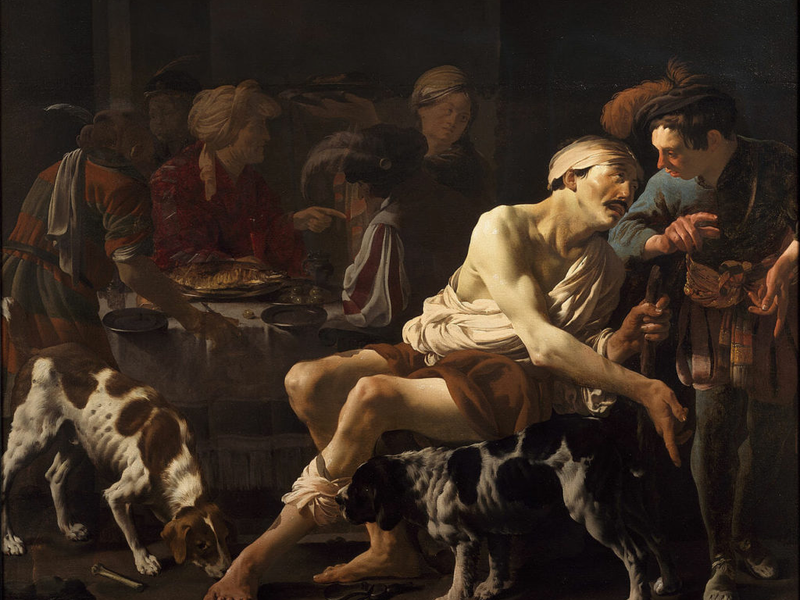
The following is an excerpt from The Maker Versus the Takers: What Jesus Really Said About Social Justice and Economics ¸ by Jerry Bowyer (New York, Fidelis Books, Post Hill Press, 2020), release date Sept. 15 th . The section below argues that the ‘Rich Man’ in the parable refers…

by Jerry BowyerSeptember 15, 2020
absaloms_death
Biblical Studies

Death on a Tree: Absalom as Jesus-Type

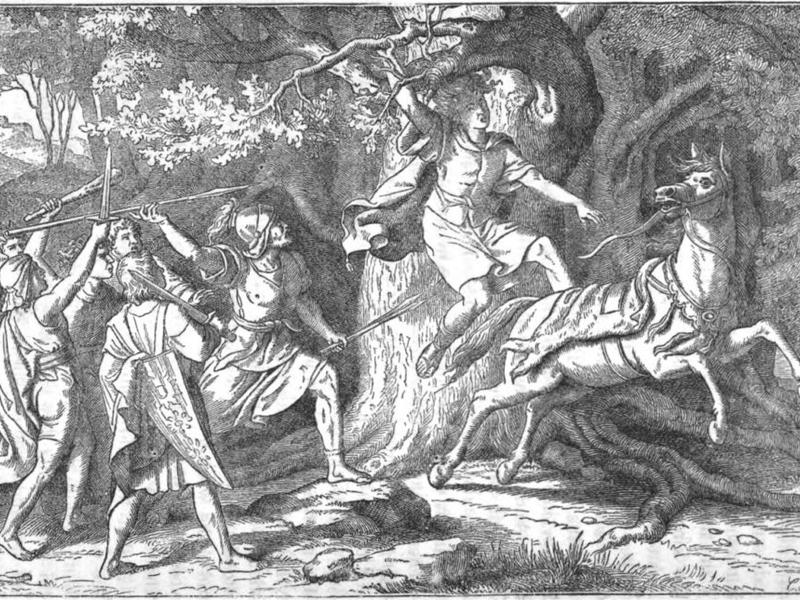
Could Absalom be a Christ-type? If you know much about the Bible, you likely have an immediate aversion to even the possibility of answering this question in the affirmative. Absalom was third among David’s sons, while Amnon—his brother from another mother—was first (2 Sam. 3:2-3). As Absalom’s story begins, it…

by Eric RobinsonSeptember 8, 2020
giveusbarabbas
Biblical Studies

Barabbas

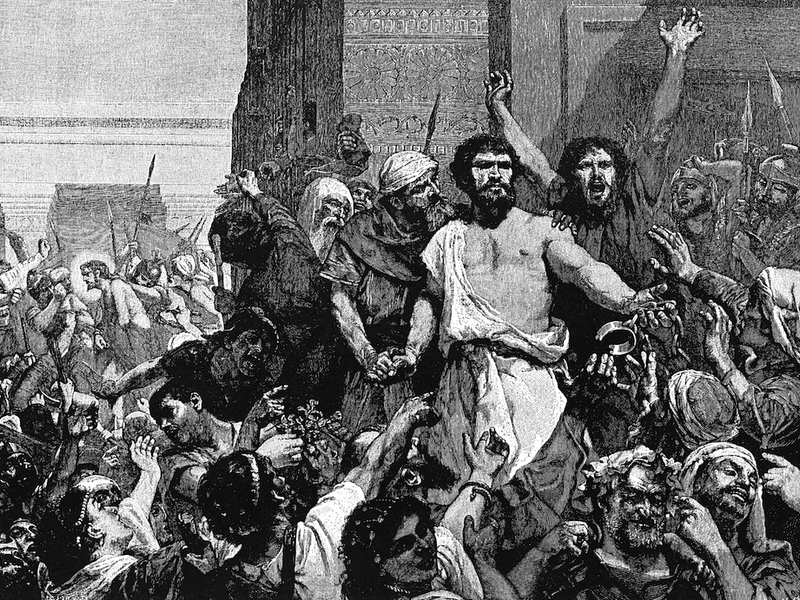
All four Gospels not only associate Barabbas and Jesus quite unabashedly, they do so emphatically and with a deep theological message. The scene is well-known. In His trial before Pontius Pilate, though Jesus had been declared innocent more than once, there seemed to be no hope of releasing Him. Pilate…

by Ralph Allan SmithSeptember 1, 2020
jim-jordan-teaching-2
Theopolis News

Announcement: The James B. Jordan Prize

The Theopolis Institute is pleased to announce the second round of the James B. Jordan Prize to honor outstanding doctoral dissertations in biblical theology. James Jordan is one of the most insightful biblical scholars of our time. The Jordan Prize exists to encourage more of the deep Scriptural investigation of…

by TheopolisAugust 31, 2020

Showing page 63 of 309

See all
See all
Literature

Living in fictions

In a discussion of King Lear , David Bevington suggests that Edgar saves his father at the cliffs of Dover by constructing a cosmology in which the gods are merciful and perform miracles: “Edgar stages his fiction in this particular way because he knows his father well enough to realize…

December 27, 2006
Literature

Tyranny of gratitude

Many of Shakespeare’s plays explore the moral and political consequences of ingratitude, but Shakespeare is also cognizant of the tyrannical uses to which the demand for gratitude may be put. Lear is certainly about ingratitude, the “marble-hearted fiend” that infects and distorts the monsters of ingratitude Goneril and Regan, as…

December 27, 2006
Theology

In praise of Pietism

Friedrich Oetinger was a leading German pietist intellectual and theologian, deeply interested in the science of his day. And critical of science and rationalist philosophy as well. Against thinkers who placed a primacy on reason, Oetinger argued that sheer logical clarity is insufficient “for living knowledge.” Living knowledge takes form…

December 26, 2006

Communion in humor

I tell a joke, and you get it. I include a veiled allusion to, say, Faust in a casual conversation; you catch it; and we exchange a mental wink. Humor provides a pathway into the hermeneutics of texts and communication. It also seems to provide a pathway into the sociology…

December 26, 2006

Keeping in mind

Gadamer notes the ambiguity of “keeping something in mind.” We sometimes hold something in our mental “gaze” in order to knock into it head on. We watch it carefully until we can grab it. But keeping in mind can also be a form of forgetfulness. We might also keep something…

December 26, 2006
History

Mysticism and culture

Gadamer notes that the concept of Bildung (culture) has its origins in medieval and baroque mysticism, and continues to carry a mystical connotation when it begins to be used of the cultivated humanness. Von Humboldt, for instance, says “when in our language we say Bildung, we mean something both higher…

December 26, 2006

Showing page 1747 of 2212

Browse by Category

In Medias Res

Your weekly digest for all things Theopolis.

Donate

Theopolis is nearly 100% donor-supported. Consider joining us on our mission.